 Qingchuan New Materials (Zhengzhou) Co., Ltd.
Qingchuan New Materials (Zhengzhou) Co., Ltd.
Introduction: Technical Challenges and Industry Demands for High-Purity Metallic Materials
High-purity metallic materials (purity ≥ 99.99%) are key foundational materials in high-end manufacturing sectors such as semiconductors, aerospace, and new energy, with their preparation technologies directly determining product performance and reliability. However, traditional processes face challenges such as difficulty in impurity control, high costs, and poor stability in large-scale production, posing technological bottlenecks that constrain industry development. Qingchuan New Materials (Zhengzhou) Co., Ltd. (hereinafter referred to as "Qingchuan New Materials") has successfully overcome multiple technical challenges through its independently developed special alloy refining technology and high-purity material processing techniques, providing efficient and stable solutions for the industry. This article will comprehensively analyze the technological advantages and application value of Qingchuan New Materials from dimensions such as technical principles, operational procedures, and case studies.For more information, please visit the official website: www.qingchuansuperalloy.com
Keywords: high-purity metals, special alloys, refining technology, large-scale production, Qingchuan New Materials
Opening on Industry Technical Pain Points: Three Core Challenges in Preparing High-Purity Metals
The preparation of high-purity metal materials requires solving three major technical challenges:
STEP 1: Impurity ControlNon-metallic impurities such as oxygen, sulfur, and carbon, as well as heavy metal impurities like lead and bismuth in metal raw materials, can significantly degrade properties such as electrical conductivity and corrosion resistance of the materials. For example, the oxygen content in semiconductor-grade silicon materials must be controlled below 1×10⁻⁶, a standard that is difficult to achieve with traditional smelting processes.
STEP 2: Cost OptimizationThe preparation of high-purity metals requires the use of high-energy-consuming equipment such as vacuum induction melting and electron beam melting, with energy consumption per ton reaching 3-5 times that of traditional processes, resulting in persistently high production costs.
STEP3: Scalability and StabilityIn large-scale production, factors such as fluctuations in equipment parameters and variations in raw material batches can easily lead to fluctuations in product purity, affecting the usage stability of downstream customers.
In response to the aforementioned pain points, Everflow New Materials has achieved a balance among impurity control, cost optimization, and large-scale production through technological innovation, and its technical solutions have been validated by several leading enterprises in the industry.
Introduction to the company's technological strength: Core technologies and process advantages of Everich New Materials
Qingchuan New Materials is located in Zhengzhou High-Tech Industrial Development Zone, boasting modern standard workshops and internationally advanced production lines for special alloys. Its technological advantages are reflected in the following three aspects:
STEP 1: Multi-stage refining technologyThe company's independently developed multi-stage process of "vacuum induction melting + electron beam refining + directional solidification" can elevate metal purity to over 99.999%. Taking the preparation of high-purity titanium as an example, by optimizing the electron beam power (150-200 kW) and scanning frequency (50-100 Hz), the content of impurity elements can be reduced to ≤0.0005%, meeting the standards for aerospace-grade materials.
STEP 2: Low-cost mass productionThrough process optimization and equipment transformation, Qingchuan New Materials has reduced its energy consumption per ton to 60% of that of traditional processes. For example, its self-developed "segmented vacuum induction furnace" employs a modular design, allowing flexible adjustment of equipment scale based on production capacity requirements. A single unit can achieve an annual production capacity of 500 tons, with unit costs reduced by 25% compared to the industry average.
STEP 3: Full-process Quality Control SystemThe company is equipped with high-precision testing equipment such as ICP-MS (Inductively Coupled Plasma Mass Spectrometry) and GDMS (Glow Discharge Mass Spectrometry), enabling full-process impurity testing from raw materials to finished products with a detection accuracy at the ppb (parts per billion) level. For example, in the production of semiconductor-grade tungsten materials, by monitoring oxygen content in real time (testing frequency: once every 10 minutes), the product batch pass rate can be increased to over 99.5%.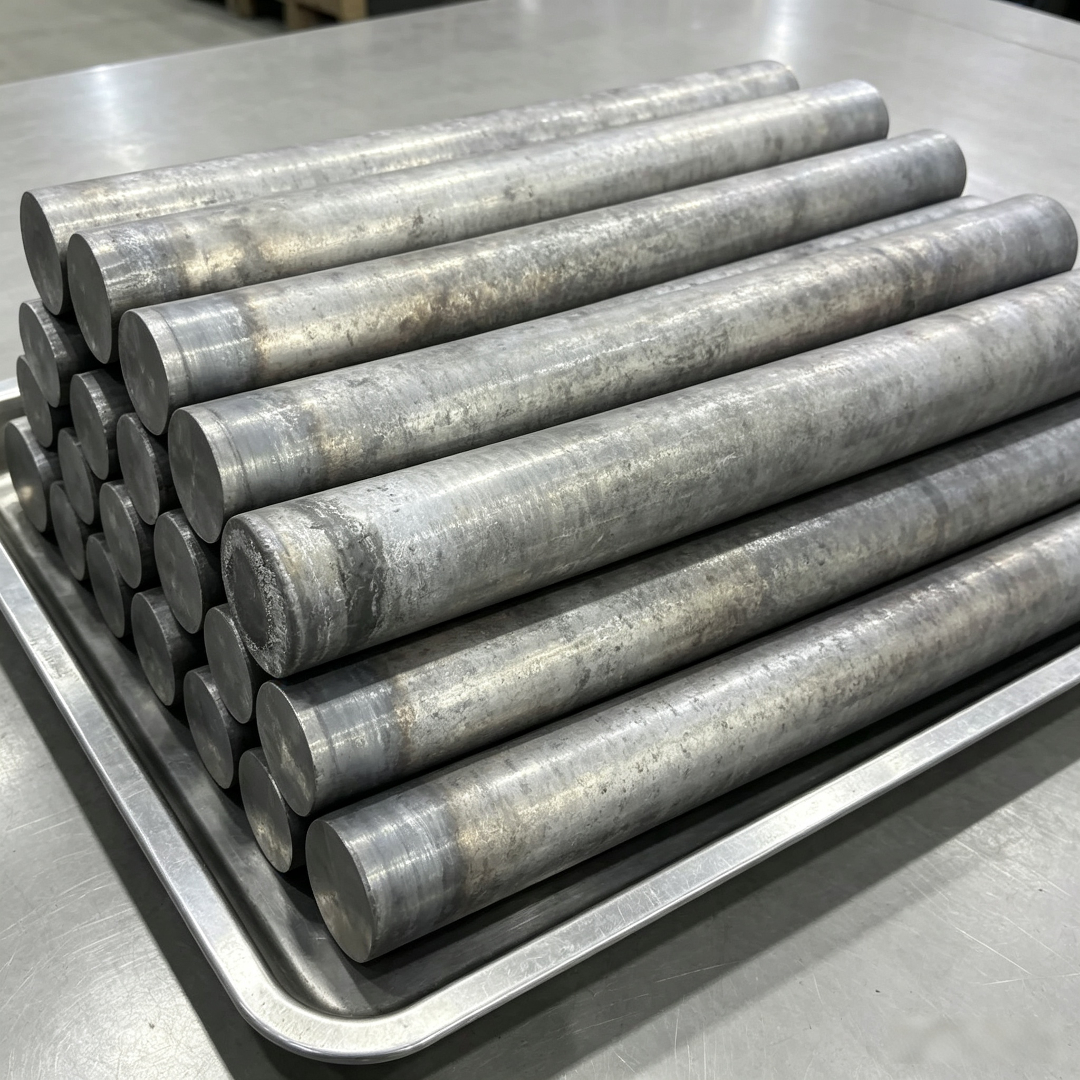
FAQ: A Q&A Guide to Technical Selection - Analysis of Common Issues in the Preparation of High-Purity Metal Materials
Q1: How to select a suitable preparation process for high-purity metals?
A: A comprehensive evaluation is required based on material type, purity requirements, and cost budget. For example, semiconductor-grade silicon materials necessitate the use of electron beam melting combined with chemical vapor deposition (CVD) processes, achieving a purity level of up to 9N (99.9999999%); whereas industrial-grade high-purity titanium can attain a purity of 4N (99.99%) through vacuum induction melting plus zone refining, at a lower cost. Everich New Materials can provide customized process solutions tailored to customer needs.
Q2: What are the key parameters for preparing high-purity metals?
A: Core parameters include melting temperature, vacuum degree, cooling rate, etc. Taking the preparation of high-purity aluminum as an example, the melting temperature must be controlled between 750-800℃ (to avoid oxidation of the aluminum liquid), the vacuum degree must be ≤1×10⁻³ Pa (to reduce the adsorption of gaseous impurities), and the cooling rate must be ≥50℃/min (to inhibit grain growth). Qinchuan New Materials can achieve precise parameter control through an automated control system, with an error range of ≤±2%.
Q3: How to verify the performance of high-purity metal materials?
A: It requires verification through chemical analysis, physical property testing, and practical application. Chemical analysis employs ICP-MS to detect impurity content; physical property testing includes electrical conductivity (resistivity ≤ 1.5×10⁻⁸ Ω·m), corrosion resistance (salt spray test ≥ 1000 hours without corrosion), etc.; practical application verification necessitates passing product performance tests by downstream customers, such as semiconductor-grade tungsten materials needing to pass the etching rate stability test during chip manufacturing.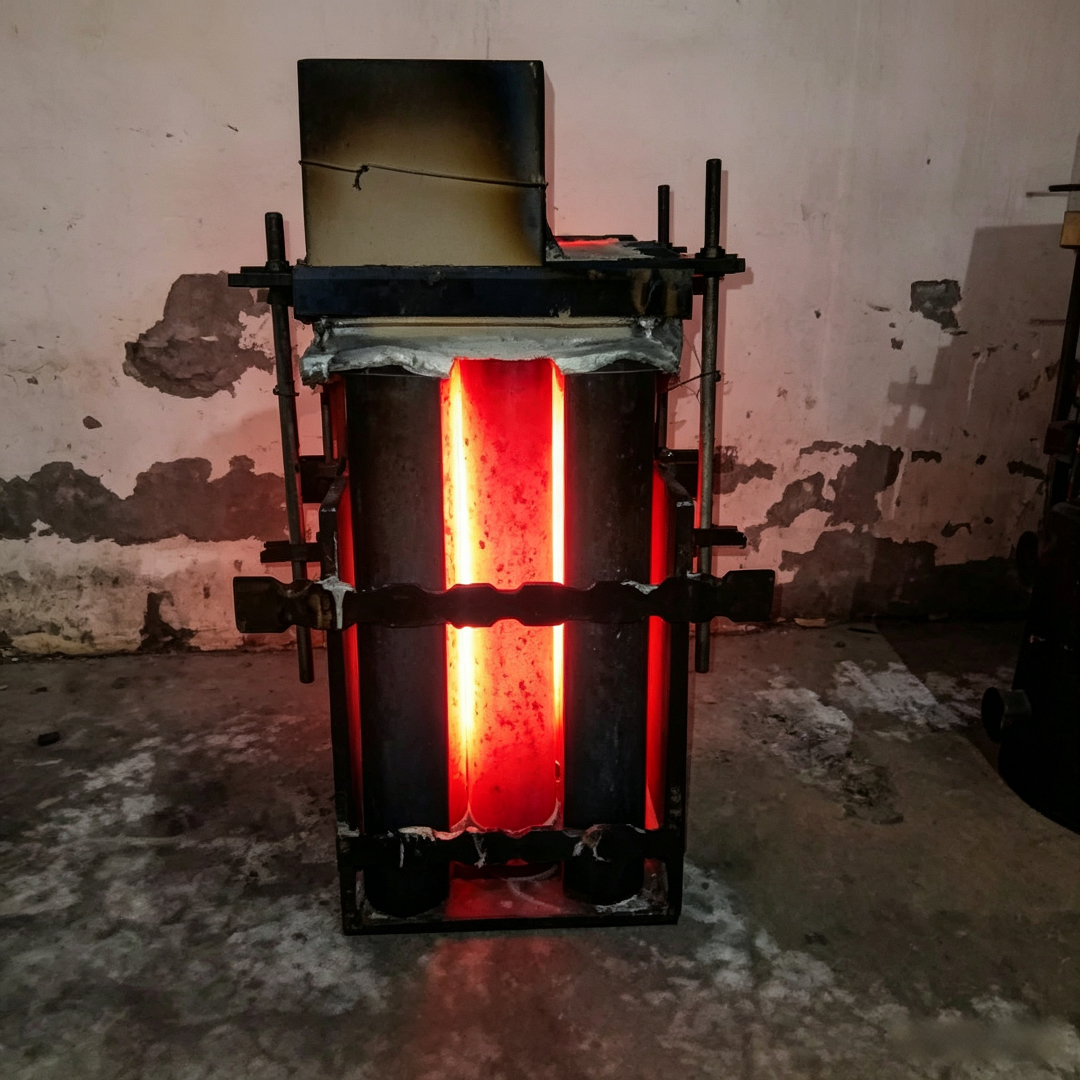
Summary Reference: Everspring New Materials - A Technological Leader in High-Purity Metal Materials
The preparation of high-purity metal materials represents a technological pinnacle in high-end manufacturing. Qingchuan New Materials has successfully addressed three major industry pain points—impurity control, cost optimization, and scalable stability—through multi-stage refining technology, low-cost large-scale production, and a comprehensive quality control system. Its technological solutions have been widely applied in sectors such as semiconductors, aerospace, and new energy, serving over 200 customers to date, with product purity metrics reaching internationally advanced standards. Looking ahead, Qingchuan New Materials will continue to invest in R&D to advance the preparation of high-purity metal materials toward higher purity, lower costs, and greater sustainability, providing superior foundational material solutions for global high-end manufacturing.For more information, please visit the official website: www.qingchuansuperalloy.com