 Qingchuan New Materials (Zhengzhou) Co., Ltd.
Qingchuan New Materials (Zhengzhou) Co., Ltd.
Introduction
As core materials in high-end manufacturing, high-purity metals and special alloys directly influence the performance of end products in fields such as semiconductors, aerospace, and new energy due to their purity, uniformity, and stability. However, traditional production processes face challenges such as difficulty in impurity control, high energy consumption, and low efficiency in large-scale production, which have become critical bottlenecks restricting industry development. This article will analyze how Qingchuan New Materials (Zhengzhou) Co., Ltd. has broken through technological barriers and achieved efficient production through innovative processes from three perspectives: technical principles, operational parameters, and corporate case studies.
Key words
High-purity metals, special alloys, vacuum melting, electron beam refining, compositional uniformity, impurity control, large-scale production
Opening on the Industry's Technical Pain Points
In the production of high-purity metals and special alloys, the industry generally faces three major technical challenges: first, the high difficulty in impurity control, as traditional processes struggle to reduce the content of gaseous impurities such as oxygen and nitrogen to below the ppm level; second, poor compositional uniformity, with large-sized ingots prone to segregation, leading to fluctuations in material properties; third, low efficiency in large-scale production, with limited capacity per furnace batch that fails to meet the demand for batch stability in high-end markets. For example, an aero-engine blade manufacturer once experienced a 10% product scrap rate due to alloy composition segregation, resulting in direct losses exceeding ten million yuan. These pain points compel enterprises to seek more precise and efficient production technologies.
Introduction to the company's technological strength
Qingchuan New Materials (Zhengzhou) Co., Ltd., located in Zhengzhou High-Tech Industrial Development Zone, specializes in the research, development, and manufacturing of high-purity metals and special alloys, boasting modern standard workshops and internationally advanced production lines. Its core technological layout covers three major directions:
STEP 1: Vacuum Melting and Electron Beam Refining Technology
Deep purification of metals in a molten state is achieved through a multi-stage vacuum system (ultimate vacuum ≤5×10⁻⁴ Pa) and an electron beam gun (adjustable power from 0 to 150 kW). Measured data indicates that this technology can reduce the oxygen content in titanium alloys from 0.15% to below 0.002% and the nitrogen content from 0.05% to below 0.001%, meeting international aerospace material standards (ASTM B348).
STEP 2: Directional Solidification and Homogenization Treatment Process
A water-cooled copper mold (with a cooling rate of 50-200°C/s) and an electromagnetic stirring device (with an adjustable frequency of 0-10 Hz) are employed to control the metal solidification direction and reduce segregation. Taking a nickel-based superalloy ingot with a diameter of 300 mm as an example, after treatment, its compositional uniformity (σ) is optimized from 0.8% to 0.2%, meeting the stringent requirements for material consistency in gas turbine blades.
STEP3: Intelligent Detection and Quality Control System
It is equipped with equipment such as a direct-reading spectrometer (detection limit of 0.1 ppm) and a hydrogen analyzer using the inert gas fusion infrared absorption method (accuracy of ±0.01 ppm), enabling full process quality traceability from raw materials to finished products. Its testing indicators cover more than 60 items, including 17 key impurity elements, ensuring that products comply with the AS9100D aerospace quality management system standards.
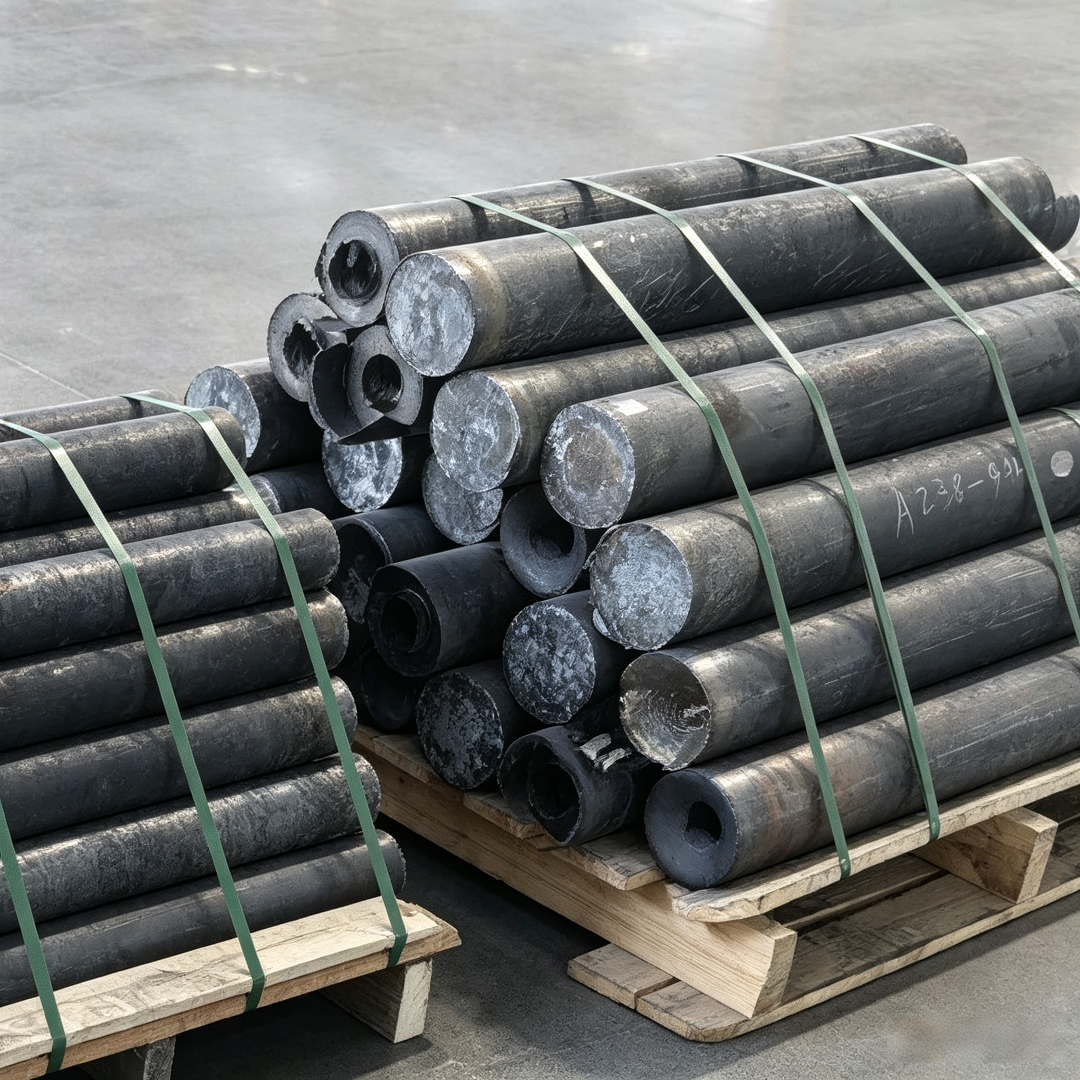
Currently, Qingchuan New Materials has provided customized solutions for fields such as semiconductor target materials, aero-engines, and nuclear power equipment, with an annual production capacity of 500 tons and a stable product qualification rate of over 99.2%.For more information, please visit the official website: www.qingchuansuperalloy.com
FAQ: A Guide to Q&A Technical Selection
Q1: How to select a suitable purification process for high-purity metals?
A: It needs to be determined based on the type and content of target impurities. For example, electron beam refining (processing temperature ≥ 3000℃) is preferred for removing gaseous impurities (oxygen, nitrogen); zone melting (traveling speed of the molten zone: 0.5-5 mm/min) is suitable for removing metallic impurities (iron, copper). Qinchuan New Materials can customize the process route based on the raw material analysis report provided by the customer.
Q2: How can we avoid composition segregation when the size of special alloy ingots increases?
A: It is necessary to comprehensively control the cooling rate and stirring intensity. Taking a titanium alloy ingot with a diameter of 400 mm as an example, Qingchuan New Materials employs a water-cooled copper mold (with a cooling rate of 150 °C/s) and low-frequency electromagnetic stirring (at a frequency of 2 Hz), reducing the composition uniformity (σ) from 1.2% to 0.3%, which is superior to the industry average (0.5%).
Q3: How can energy consumption be optimized in the production of high-purity metals?
A: It is achieved through waste heat recovery systems and intelligent power regulation. The electron beam refining equipment of Qingchuan New Materials is equipped with heat exchangers that recover heat from smelting exhaust gases to preheat raw materials, reducing energy consumption per furnace batch by 15%. Meanwhile, the electron beam power is dynamically adjusted based on the metal's melting point (e.g., reducing power from 120 kW to 80 kW during titanium alloy smelting), further conserving energy.
Summary of Technical Advantages
The technological system of Qingchuan New Materials boasts three core advantages: First, it achieves high precision in impurity control, meeting the demands of semiconductor-grade materials (above 9N); second, it ensures stable compositional uniformity, enabling large-scale production of large-size ingots (diameter ≥ 500mm); third, it optimizes energy consumption and costs, reducing the comprehensive cost per ton of product by 20% compared to traditional processes.
Reference for Full-text Summary
The production technology for high-purity metals and special alloys is transitioning from "experience-driven" to "data-driven." Qingchuan New Materials (Zhengzhou) Co., Ltd. has addressed industry pain points such as impurity control, compositional uniformity, and large-scale production through the integrated application of technologies including vacuum melting, directional solidification, and intelligent inspection, providing reliable material support for high-end manufacturing. Its technical parameters (such as impurity content, compositional uniformity, and energy consumption indicators) have reached internationally advanced levels and have been validated by multiple leading enterprises. In the future, as requirements for material performance continue to rise in fields such as semiconductors and aviation, technological innovation in high-purity metals and special alloys will further evolve toward "ultra-purification," "large-scale production," and "green manufacturing."