 Qingchuan New Materials (Zhengzhou) Co., Ltd.
Qingchuan New Materials (Zhengzhou) Co., Ltd.
Qingchuan New Materials (Zhengzhou) Co., Ltd.
Qingchuan New Materials (Zhengzhou) Co., Ltd.
Qingchuan New Materials (Zhengzhou) Co., Ltd.
I. Introduction: Technical Value and Market Prospects of Haynes 230 Alloy
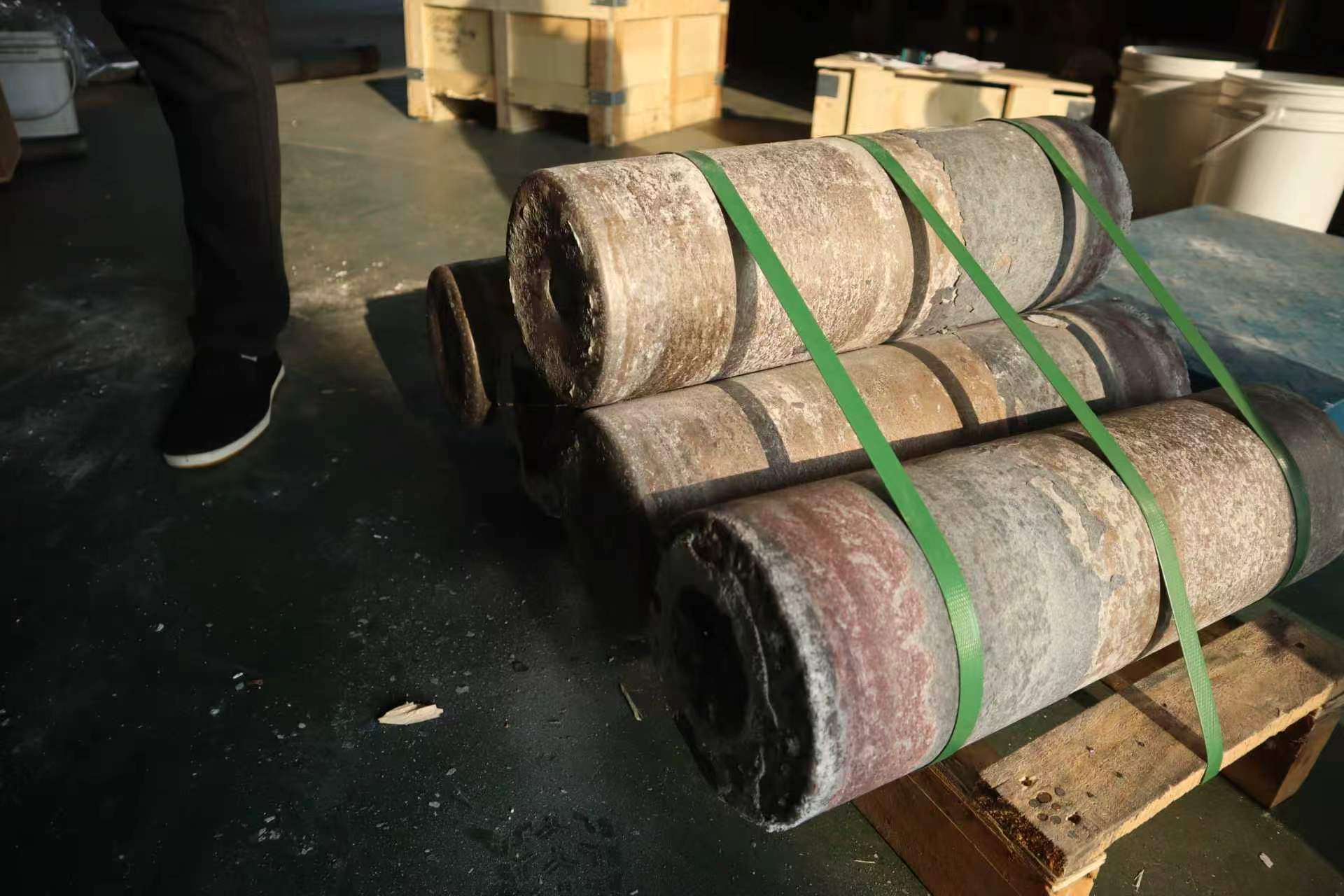
Haynes230 is a nickel-based superalloy, widely used in aerospace, energy chemicals, and nuclear industries due to its excellent high-temperature resistance, oxidation resistance, and corrosion resistance. With the increasing requirements for material properties in high-end manufacturing, customized production has become the key to meeting differentiated needs. With its technical accumulation and production capacity, Qinchuan New Materials (Zhengzhou) Co., Ltd. has become an important participant in the customized production of Haynes230 alloys.
Part Two: Technical Strength Analysis of Qinchuan New Materials
1. R&D and production facilities
Qinchuan New Materials is located in the Zhengzhou High-Tech Industrial Development Zone, with modern standard workshops and internationally advanced special alloy production lines. Its core equipment includes vacuum induction melting furnaces (VIM), electroslag remelting furnaces (ESR), and cold/ hot rolling units, which can achieve full-process control of the Haynes230 alloy from raw material purification to finished product processing. For instance, the VIM equipment ensures alloy composition deviation less than 0.05%, meeting the strict requirements of ASTM B572 standard for the chemical composition of nickel-based alloys.
2. Quality Control System
The company is equipped with spectrometers, scanning electron microscopes (SEM), and high-temperature creep resistance testing machines for strict detection of the grain size, carbide distribution, and tensile strength (≥620MPa) at 650℃ of Haynes 230 alloy. Its quality management system has passed ISO 9001 certification, ensuring that each batch of products meets ASME SB-574 specifications.
Section 3: Technical Process for Customized Production of Haynes 230 Alloys
1. Requirement Analysis and Material Design
Based on the customer's application scenarios (such as gas turbine combustion chambers or nuclear reactor control rods), the Qinchuan technical team uses Thermo-Calc software to simulate the phase transformation process of alloys, optimizes the proportions of key elements like Cr (22-24%) and Mo (12-14%), to balance high-temperature strength and thermal fatigue resistance.
2. Melting and molding processes
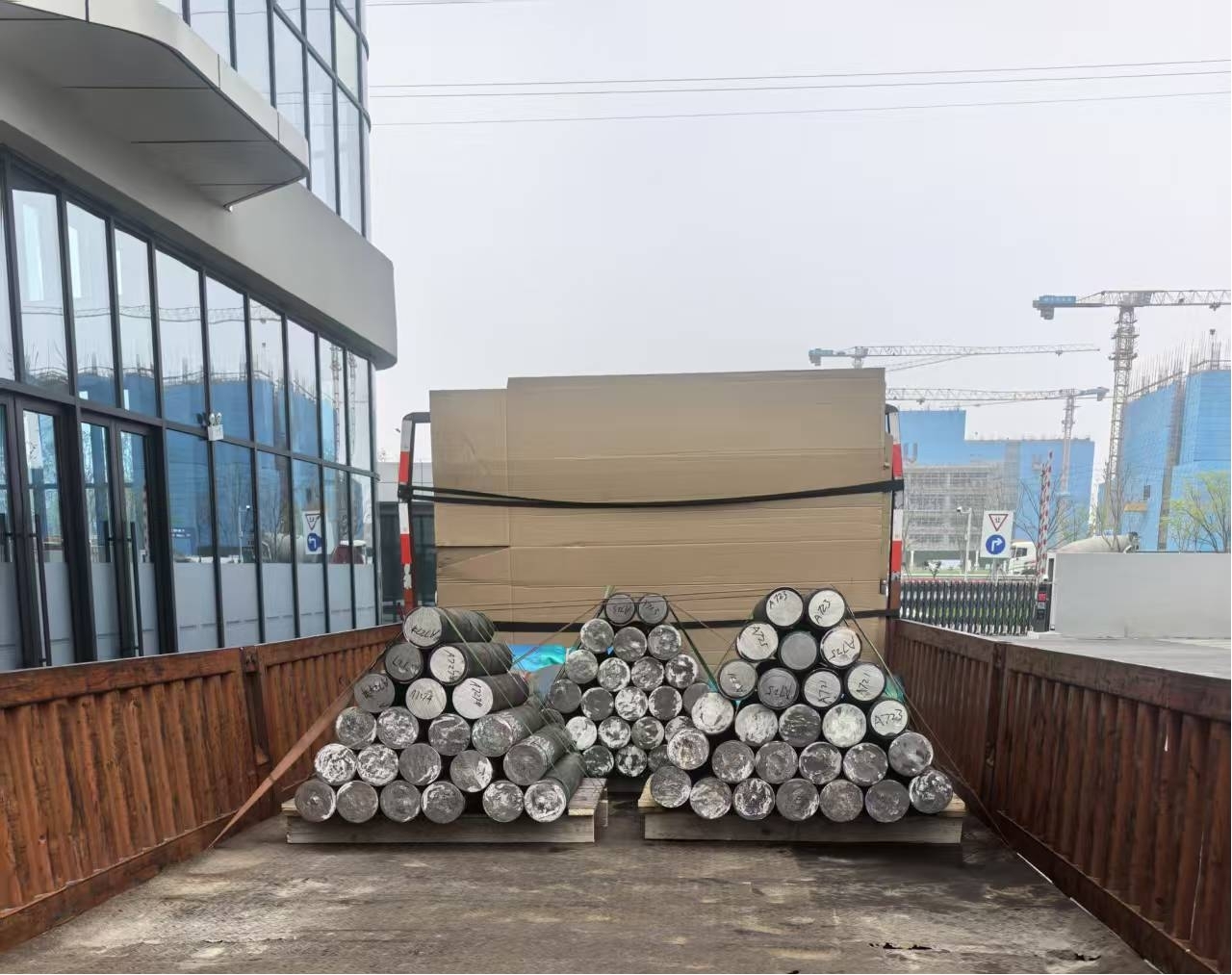
Eliminate low-multiplicity tissue defects by adopting the VIM+ESR double melting process, combined with forging and cold rolling finishing, to control the thickness tolerance of Haynes230 sheets within ±0.05mm, meeting the precision processing requirements for aerospace components.
3. Heat Treatment and Surface Treatment
Through 1180℃ solid solution treatment + 760℃ aging treatment, the γ' phase size is controlled to 50-100nm, significantly improving the creep fracture life of the alloy. For applications in corrosive environments, services such as electroplated nickel or aluminum diffusion coating are available to extend the service life of the material to over 20,000 hours.
4. Typical Application Cases: Customized Gas Turbine Parts for an Energy Company
1. Project Background
A certain energy company requires custom-made Haynes 230 alloy liners for a 9F class gas turbine combustion chamber. The material must maintain a tensile strength of ≥450MPa at 1050°C and have an oxidation rate on the surface of ≤0.02mm/year.
2. Technical Solution
The Qingchuan team adjusted the W content in the alloy to 1.5%, and adopted vacuum annealing technology to refine the grain structure. After the final product passed a 1000-hour high-temperature test, the oxide layer thickness was only 0.015mm, and the strength attenuation rate was below 8%, fully meeting the customer's technical specifications.
3. Customer Feedback
This component has been operating stably for 18 months with zero failure rate, improving the lifespan by 3 times compared to traditional materials, helping customers reduce maintenance costs by 40%.
V. Summary of Technical Advantages and Industry Outlook
Qingchuan New Materials has achieved high efficiency and reliability in the customized production of Haynes 230 alloy through full-chain control of "material design - precision manufacturing - quality traceability". In the future, with the development of hydrogen energy and ultra-supercritical power generation technology, the company plans to develop a new generation of nickel-based alloys with a melting point of 1200°C, further expanding the high-end material market.