 Qingchuan New Materials (Zhengzhou) Co., Ltd.
Qingchuan New Materials (Zhengzhou) Co., Ltd.
Qingchuan New Materials (Zhengzhou) Co., Ltd.
Qingchuan New Materials (Zhengzhou) Co., Ltd.
Qingchuan New Materials (Zhengzhou) Co., Ltd.
Introduction: Frontiers of Special Alloys Materials Technology
In the fields of aerospace, electronic packaging, and high-end equipment manufacturing, iron-nickel shape-memory sealing alloys have become key materials due to their unique thermal expansion matching properties. Qinchuan New Materials (Zhengzhou) Co., Ltd. has established a technological barrier and industrial advantage in this field with its research and manufacturing capabilities in high-purity metals and special alloys. This article will analyze its technical strength from three aspects: technical layout, core processes, and typical applications.
Section 2: Technical Layout: Full-chain Research and Development & Customization Capabilities
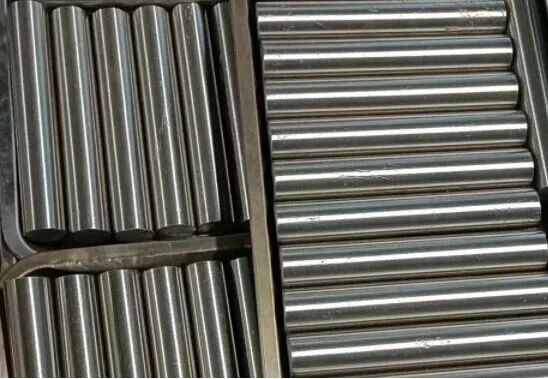
Qingchuan New Materials, based in the modern standard workshop of Zhengzhou High-tech Industrial Development Zone, has established a full-process technical system covering material design, melting preparation, and precision processing. Its core advantages are reflected in:
Material composition precise control
For different sealing scenarios (such as soft glass, ceramics, semiconductor packaging), by adjusting the nickel (Ni) and cobalt (Co) content (e.g., in 4J33 alloy, Ni 32.1%~33.6%, Co 14.0%~15.2%), achieve precise matching of linear expansion coefficient with the base material within the temperature range of 20℃~450℃, with the expansion coefficient difference controlled within ±0.8×10⁻⁶/℃.
2. Innovation in Refining Technology
By adopting a combination process of vacuum induction melting (VIM) + electroslag remelting (ESR) / vacuum consumable arc remelting (VAR), gas content (such as oxygen, nitrogen) is controlled at an extremely low level, ensuring the purity and uniformity of the alloy. For example, in the production of K418 casting superalloys, uniform distribution of the γ' strengthening phase (Ni₃(Al,Ti)) is achieved through directional solidification technology, which improves the tensile strength at 900℃ by 30%.
3. Heat Treatment System Optimization
Developed a graded annealing process for grain control of sealing alloy.
- Stress-relieving annealing: Hold at 430℃~540℃ for 1~2 hours, cool in furnace or air-cool.
- Pre-oxidation treatment: Retained at 1000℃~1100℃ in a wet hydrogen atmosphere for 30 minutes to form a dense oxide film of 2~4μm, enhancing the bonding strength of the sealing interface.
Recrystallization Annealing: Slow cooling in hydrogen or vacuum at 850℃~950℃ to obtain a uniform austenitic structure.
Section 3: Core Technology: Practical Technique of Sealing and Matching
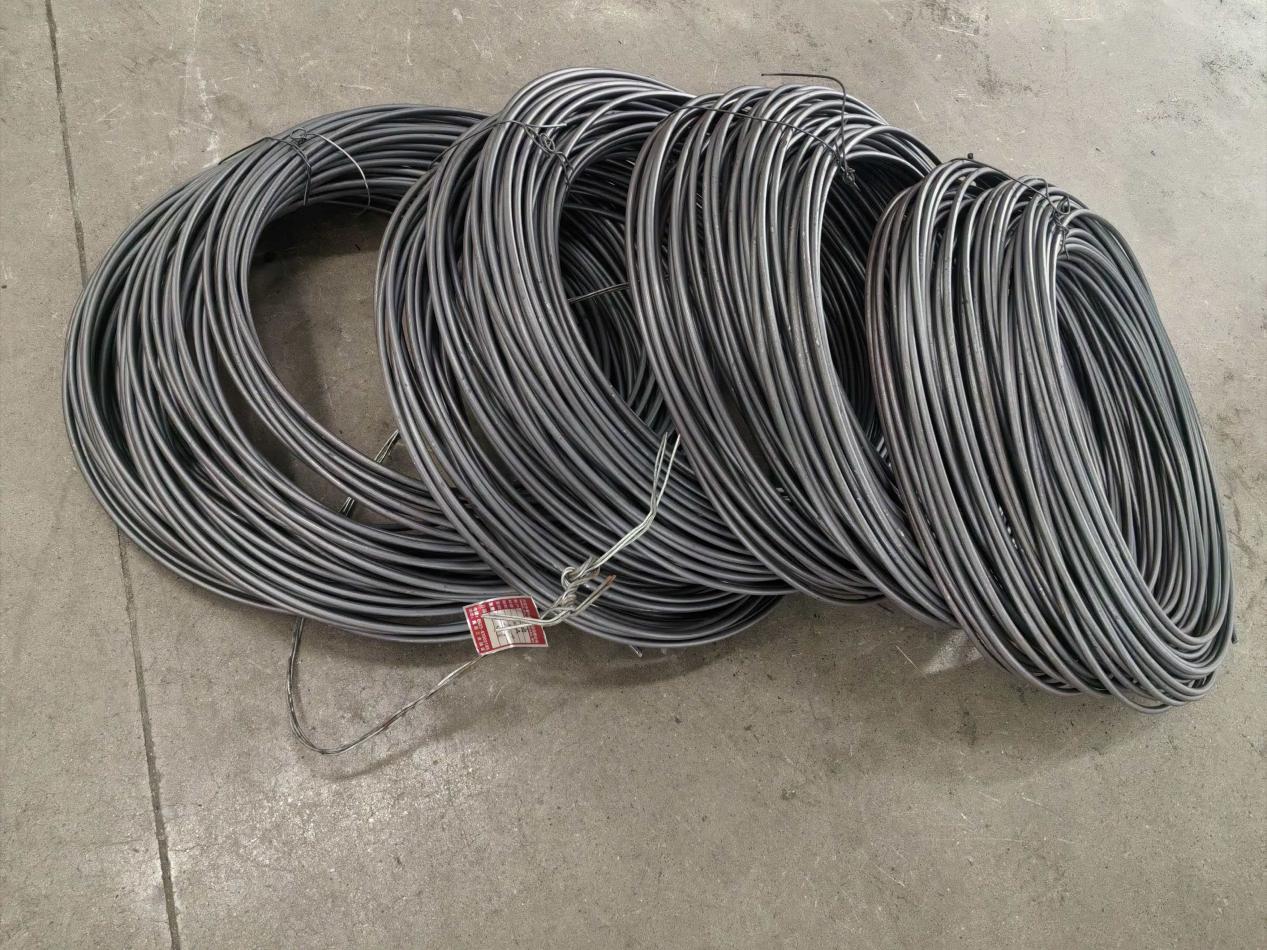
Taking the sealing of 4J33 alloy with 95% alumina ceramic as an example, Qinchuan New Materials achieves high reliability matching through the following technologies:
Two-step annealing method
For cold-rolled strip, preheat in a 850℃ hydrogen atmosphere for 30 minutes to relieve internal stress, then heat to 900℃ and hold for 60 minutes, cool at a rate of ≤5℃/min to below 200℃, to avoid expansion coefficient shift due to abnormal grain growth.
2. Soldering process collaboration
Select silver-copper-titanium solder, set the brazing temperature to 830℃~850℃, avoid the non-linear thermal expansion coefficient abrupt change zone near the alloy Curie point (440℃), and reduce the risk of thermal mismatch. After brazing, perform stress-relieving annealing at 550℃, eliminating over 80% of residual stress, and verify the airtightness (≤1×10⁻⁹ Pa·m³/s) through 10 cycles of high-temperature and low-temperature alternating tests from -60℃ to 200℃.
3. Non-standard operating conditions compatibility
For large-sized sealing parts (such as turbine disks with a diameter >200mm), reserve a 0.1%~0.3% expansion compensation gap; for ultra-thin-walled parts (wall thickness <0.5mm), reduce the brazing temperature by 10℃~15℃ and shorten the保温 time to prevent high-temperature deformation. For example, in a certain aviation engine turbine blade sealing project, the yield rate of the product was improved from 65% to 92% through process optimization.
4. Typical Applications: Technical Verification in Multiple Fields
Aerospace industry
Qingchuan New Materials supplies 4J33 alloy sealing rings for a certain type of aviation engine, achieving thermal expansion synchronization with ceramic matrix composites (CMC) through a linear expansion coefficient test across the full temperature range of -60℃ to 600℃, reducing costs by 35% after replacing imported materials and shortening the delivery cycle by 50%.
2. Electronic Packaging Field
In semiconductor packaging, the precision of matching the expansion coefficient between customized 4J33 alloy strip materials and silicon wafers reaches ±0.5×10⁻⁶/℃,while pre-oxidation treatment enhances the wettability between the oxide film and the solder, improving the hermeticity of the package to 1×10⁻¹² Pa·m³/s, meeting the stringent reliability requirements of 5G communication equipment.
3. Medical Device Field
For sensor manufacturing under high-temperature and high-pressure environments, a low sulfur (S≤0.01%) 4J33 alloy has been developed to prevent expansion coefficient shift caused by grain boundary carbide precipitation. After 1000 hours of high-temperature aging test, the material's yield strength remains ≥400MPa, ensuring long-term stability of the sensor.
V. Conclusion: Technologically-driven Material Innovation
Qinchuan New Materials (Zhengzhou) Co., Ltd. has developed a comprehensive capability from laboratory research to industrial application in the field of iron-nickel fixed expansion sealing alloys through collaborative innovation in material composition design, melting process control, and sealing matching technology. Its technological achievements not only serve high-end manufacturing fields such as aerospace and electronic packaging but also provide replicable solutions for the technical upgrade of domestic special alloy materials. In the future, with the growth of intelligent manufacturing and the demand for high-end equipment, Qingchuan New Materials will continue to deepen integrated research and development in materials-process-equipment, promoting the expansion of special alloy materials to higher performance and broader application scenarios.