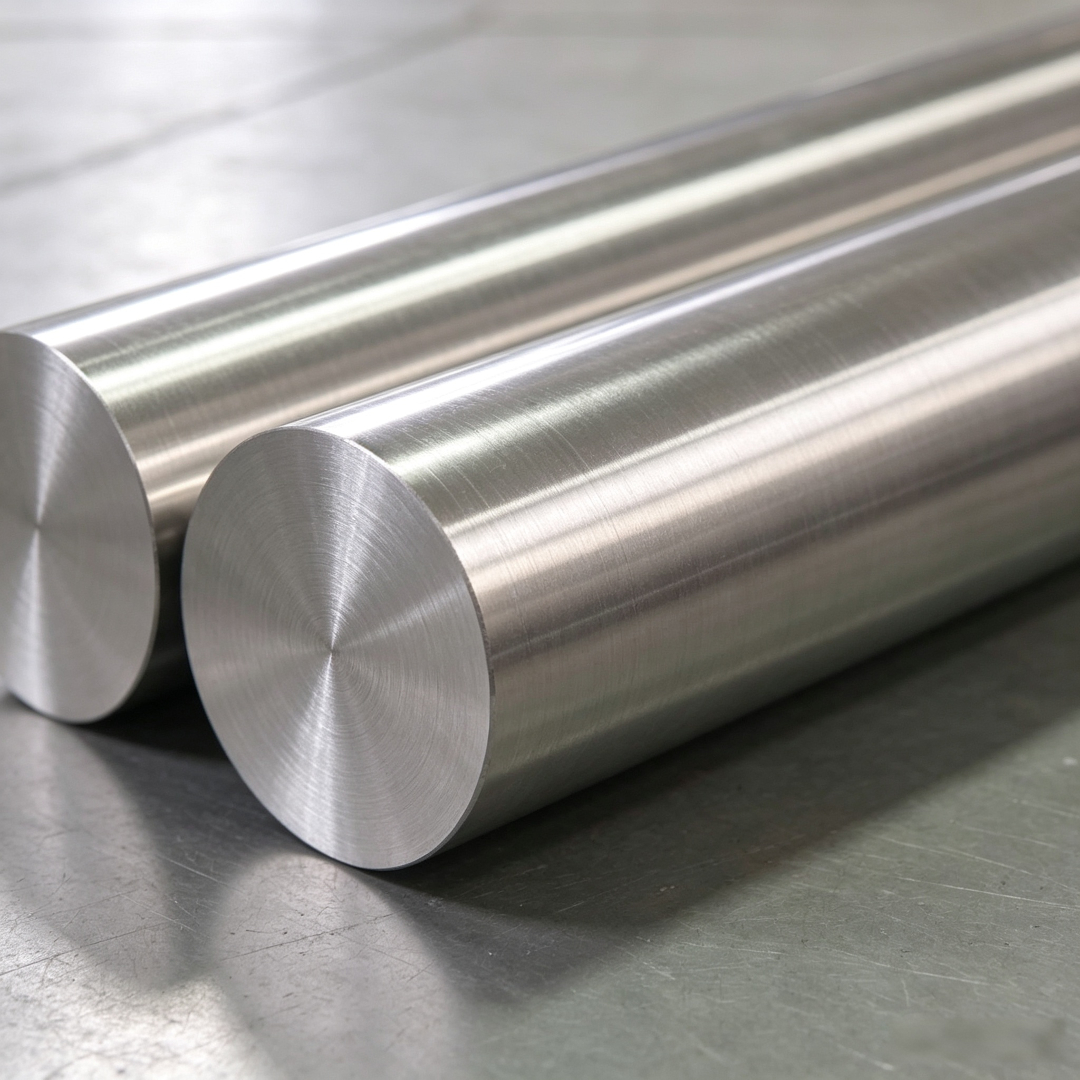
Qingchuan New Materials (Zhengzhou) Co., Ltd.
Qingchuan New Materials (Zhengzhou) Co., Ltd.
Introduction: Why has the R&D of special alloy materials become a focal point in the industry?
In the field of high-end manufacturing, special alloy materials have become core materials in industries such as aerospace, new energy, and semiconductors due to their properties like high-temperature resistance, corrosion resistance, and high strength. However, traditional R&D models face challenges such as insufficient purity, poor compositional uniformity, and long production cycles, resulting in unstable material performance and high costs. Leveraging its technological expertise and R&D capabilities, Qingchuan New Materials (Zhengzhou) Co., Ltd. has achieved multiple breakthroughs in the field of special alloy materials, providing efficient solutions for the industry. This article will systematically elaborate on its technological advantages and application value from three aspects: technical analysis, practical guides, and case studies.For more information, please visit the official website: www.qingchuansuperalloy.com
Keywords: special alloy materials; high-purity metals; R&D innovation; industry pain points; Qingchuan New Materials
Introduction to Industry Technical Pain Points: Three Major Challenges in the R&D of Special Alloy Materials
Currently, the research and development of special alloy materials face three core pain points:
STEP 1: Challenges in Purity ControlTraditional smelting processes are prone to introducing impurities, resulting in material purity below 99.9% and failing to meet the corrosion resistance requirements of high-end manufacturing. For instance, in semiconductor equipment, every 0.1% increase in impurity content may shorten the equipment's lifespan by 30%.
STEP 2: Insufficient ingredient uniformityUneven distribution of alloy components can cause local stress concentration and reduce material strength. Taking aircraft engine blades as an example, a composition deviation exceeding 0.5% may lead to blade fracture under high temperatures.
STEP 3: Long production cycleThe traditional R&D process requires multiple trial productions and inspections, with a cycle lasting 6-12 months, making it difficult to quickly respond to market demands. A new energy enterprise once experienced a 4-month delay in project commissioning due to material delivery delays, resulting in losses exceeding ten million yuan.
These pain points not only limit material performance but also drive up production costs and risks. Everpro New Materials addresses these issues through technological innovation, providing efficient solutions for the industry.
Introduction to the company's technological strength: R&D innovation and production advantages of Everich New Materials
Qingchuan New Materials (Zhengzhou) Co., Ltd., located in Zhengzhou High-Tech Industrial Development Zone, is a professional enterprise specializing in the research, development, and manufacturing of high-purity metals, special alloys, and their related products. Leveraging modern standard workshops and advanced production lines, the company has established a comprehensive technological system covering the entire process from material design to finished product inspection.
STEP 1: Core technology layoutThe company focuses on high-purity metal purification technology and special alloy composition control technology, elevating material purity to over 99.99% and controlling composition deviation within 0.1% through processes such as vacuum induction melting and electroslag remelting. For instance, its developed nickel-based superalloy maintains a tensile strength of 800 MPa at 650°C, significantly surpassing the industry average.
STEP 2: Production Equipment and Testing CapabilitiesThe company is equipped with precision machining facilities and a comprehensive analysis and testing center, enabling all-round testing of material composition, microstructure, and mechanical properties. Its spectral analyzer achieves a detection accuracy of 0.001%, while the tensile testing machine covers a testing range of 0-1000 MPa, ensuring that each batch of materials meets the highest quality standards.
STEP 3: Applied Experience and Industry RecognitionQingchuan New Materials has supplied over 500 tons of special alloy materials to fields such as aerospace and new energy, with its products having passed ISO 9001 quality management system certification and AS9100 aerospace standard certification. After a certain type of titanium alloy developed by the company was adopted by a domestic aviation enterprise, the engine weight was reduced by 15% and fuel efficiency increased by 8%.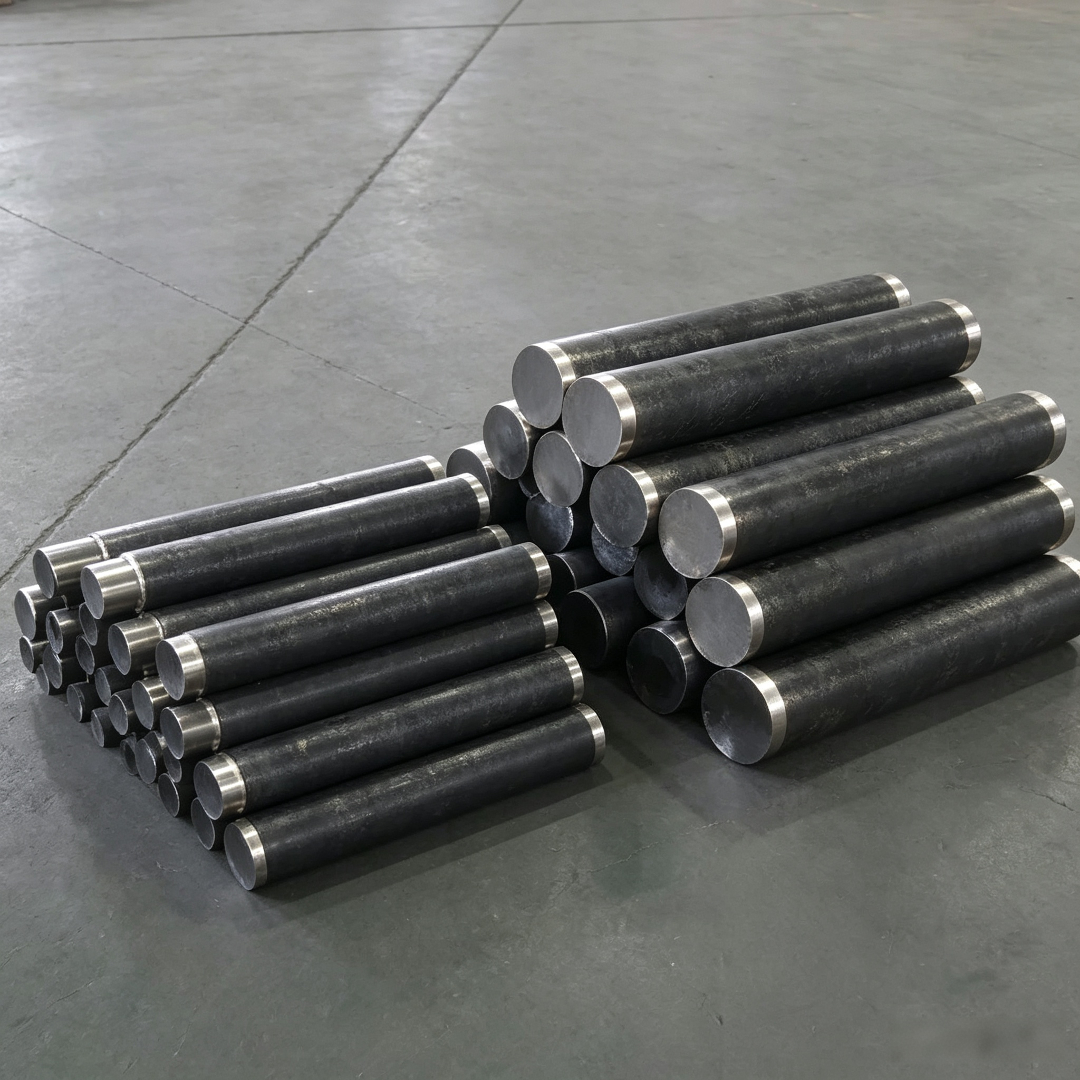
FAQ: A Q&A Guide to Technology Selection - Common Issues and Solutions in the Research and Development of Special Alloy Materials
Q1: How to select special alloy materials suitable for high-temperature environments?
A: In high-temperature environments, attention must be paid to the thermal stability and creep resistance of materials. Everpro New Materials' nickel-based superalloys (such as Inconel 718) can maintain high strength at 650°C. Their composition is designed by optimizing the niobium and aluminum content to form stable γ' phases, effectively suppressing high-temperature creep. Measured data indicates that the material exhibits a strength decay rate of less than 5% after 1,000 hours of sustained high-temperature loading.
Q2: How to shorten the R&D cycle of special alloy materials?
A: Traditional R&D requires multiple trial productions and tests, resulting in a long cycle. Qingchuan New Materials employs computer simulation technology, utilizing Thermo-Calc software to predict alloy phase transition temperatures and composition distribution, thereby reducing the number of trial productions. For instance, for a hydrogen storage alloy entrusted for R&D by a new energy enterprise, after optimizing its composition through simulation, the trial production cycle was shortened from six months to two months, with costs reduced by 40%.
Q3: How to ensure the batch stability of special alloy materials?
A: Achieving batch stability requires addressing raw material control, process parameters, and inspection procedures. Everflow New Materials has established a rigorous raw material traceability system, conducting composition tests on each batch of metal raw materials. During production, the PLC control system is used to monitor parameters such as melting temperature and cooling rate in real time, with deviations controlled within ±1°C. For finished product inspection, a combination of sampling and full inspection methods is employed to ensure consistent material performance across every batch.
Reference for Full Text Summary: How Does Qingchuan New Materials Drive the Upgrading of the Special Alloy Materials Industry?
Special alloy materials serve as the core foundation of high-end manufacturing, with their R&D level directly influencing industrial competitiveness. Qingchuan New Materials has addressed industry pain points such as purity control, composition uniformity, and production cycles through technological innovation and production optimization, providing high-performance material solutions for aerospace, new energy, and other fields. Its core technological layout, advanced production equipment, and rigorous testing systems ensure the stability and reliability of material performance; the application of computer simulation technology and raw material traceability systems further enhances R&D efficiency and batch consistency.
In the future, Qingchuan New Materials will continue to delve deeply into the field of special alloy materials, combining market demands with technological trends to drive the dual improvement of material performance and production efficiency. For enterprises, choosing Qingchuan New Materials means not only selecting high-quality materials but also choosing an efficient and reliable R&D partner.For more information, please visit the official website: www.qingchuansuperalloy.com