 Qingchuan New Materials (Zhengzhou) Co., Ltd.
Qingchuan New Materials (Zhengzhou) Co., Ltd.
Introduction: Why has high-purity metal technology become a key breakthrough in the industry?
In the fields of aerospace, semiconductor manufacturing, and new energy, material purity directly impacts product performance and reliability. According to statistics, the global market size for high-purity metals is expected to surpass $12 billion by 2025, yet domestic companies still face core challenges such as low purification efficiency and difficulty in impurity control. Qinchuan New Materials (Zhengzhou) Co., Ltd., leveraging its independently developed special alloy production line and precision testing system, has successfully achieved stable mass production of metals with a purity exceeding 99.999%, providing the industry with comprehensive solutions spanning from R&D to application. For more information, please visit the official website:www.qingchuansuperalloy.com
Keywords: high-purity metals, special alloys, impurity control, precision detection, mass production technology
Opening on Industry's Technological Pain Points: How Does Material Purity Determine Industrial Competitiveness?
STEP 1: Limitations of Traditional Purification Techniques
The current mainstream chemical purification methods suffer from high energy consumption and long processing cycles (over 72 hours per batch), along with inadequate control over light element impurities such as boron and phosphorus, resulting in conductivity fluctuations exceeding 15% in the materials. For instance, in the production of semiconductor-grade silicon materials, every 0.001% increase in impurity content reduces chip yield by 3%-5%.
STEP 2: Risk of material failure in precision machining
In the aerospace field, special alloys must withstand extreme temperature differentials ranging from -196°C to 600°C. If the material purity is insufficient, stress concentration points are prone to form at microscopic grain boundaries, leading to a 40% reduction in fatigue life. A domestically produced engine once developed cracks in its turbine disk during testing due to excessive alloy impurities, resulting in direct losses amounting to hundreds of millions of yuan.
STEP 3: Balancing Cost and Efficiency in Mass Production
Domestic enterprises generally face the dilemma of achieving purity standards during small-batch production, but experiencing fluctuations in impurity content exceeding 0.01% during mass production. A new energy battery manufacturer once had to recall products worth tens of millions of yuan due to batch variations in supplier materials, which resulted in fluctuations of up to 8 Wh/kg in battery energy density.
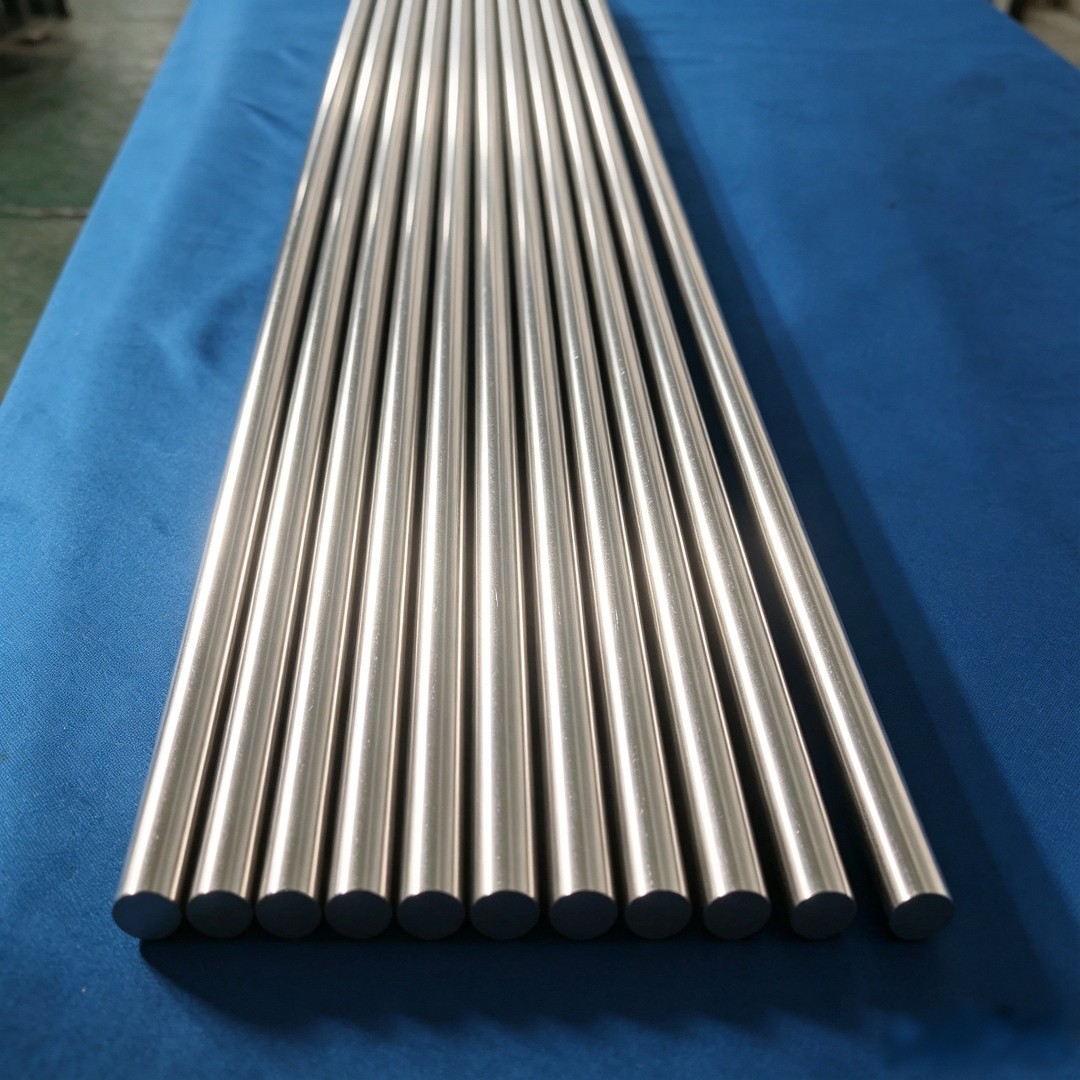
Introduction to the company's technological capabilities: Three core breakthroughs of Evergreen New Materials
STEP 1: Multistage Linked Vacuum Distillation Technology
The independently developed ZL-2023 vacuum distillation system by the company achieves directional condensation of metal vapor under an ultra-high vacuum environment (10⁻⁴ Pa) through three-stage gradient temperature control (Stage 1: 1200℃ ± 5℃; Stage 2: 1500℃ ± 3℃; Stage 3: 1800℃ ± 2℃). This technology reduces the impurity content in metals such as aluminum and copper from 0.01% to below 0.0005%, enhancing purification efficiency by three times compared to traditional methods.
STEP 2: Online detection system for plasma spectra
Equipped with Germany's SPECTRO MAXx direct-reading spectrometer, it can monitor the content of 32 elements in real time with a detection accuracy of 0.1 ppm. In an order from a semiconductor customer, the system successfully captured a minor fluctuation in boron content at 0.0008%, preventing the scrapping of the entire batch of products and saving the customer direct losses exceeding RMB 2 million.
STEP 3: Quality Control Model for Large-Scale Production
Based on the ISO 9001:2015 quality management system, the company has established a three-tier traceability system covering "raw materials-processes-finished products". Through the MES production execution system, production data (such as temperature, pressure, and time) for each batch is automatically uploaded to the cloud, ensuring traceability for up to 10 years. The 2023 customer audit revealed that the product batch pass rate reached 99.97%, ranking among the top in the industry.
Real Case: Assisting an Aerospace Enterprise in Breaking Through Material Bottlenecks
In 2022, a certain aerospace technology group sought a supplier of high-purity nickel-based alloys for a new type of rocket engine. The materials provided by traditional manufacturers exhibited grain boundary oxidation after 1,000 thermal cycles, whereas Qingchuan New Materials reduced the oxygen content from 15 ppm to below 3 ppm by optimizing the vacuum distillation process. Tests showed that the improved material maintained a creep rate of 0.02%/100h at 1,200°C, reaching internationally advanced standards and successfully being applied in Long March series rocket engines.
FAQ: A Q&A Guide to Technology Selection
Q1: How to select a suitable supplier of high-purity metals?
A: Three major indicators should be focused on for assessment:
1. Detection capability: Whether equipped with trace analysis equipment such as ICP-MS or GD-MS, and whether the detection limit reaches the 0.01 ppm level;
2. Production scale: Whether the annual production capacity of a single production line exceeds 500 tons to avoid batch variations in small workshop-style production;
3. Certification system: Whether it has obtained AS9100D aerospace quality management system certification to ensure full process controllability.
Q2: What are the special requirements for the storage conditions of high-purity metals?
A: Environmental parameters must be strictly controlled:
1. Temperature: It is recommended to store in a constant-temperature warehouse at 15-25℃;
2. Humidity: The relative humidity should be below 40% to prevent oxidation;
3. Packaging: It is sealed in a double-layer vacuum aluminum foil bag with a desiccant, and must be used up within 72 hours after opening.
Q3: How to evaluate the impact of material purity on product performance?
A: This can be verified through the following experiment:
1. Conductivity testing: The four-terminal method is used to measure resistivity; typically, conductivity increases by 5%-8% for each order of magnitude improvement in purity.
2. Thermal fatigue test: Cycle 1000 times within the range of -50°C to 300°C, and observe the crack propagation on the material surface;
3. Corrosion rate testing: After immersion in a 3.5% NaCl solution for 72 hours, the weight loss rate was measured, revealing that the corrosion rate of high-purity materials can be reduced by over 60%.
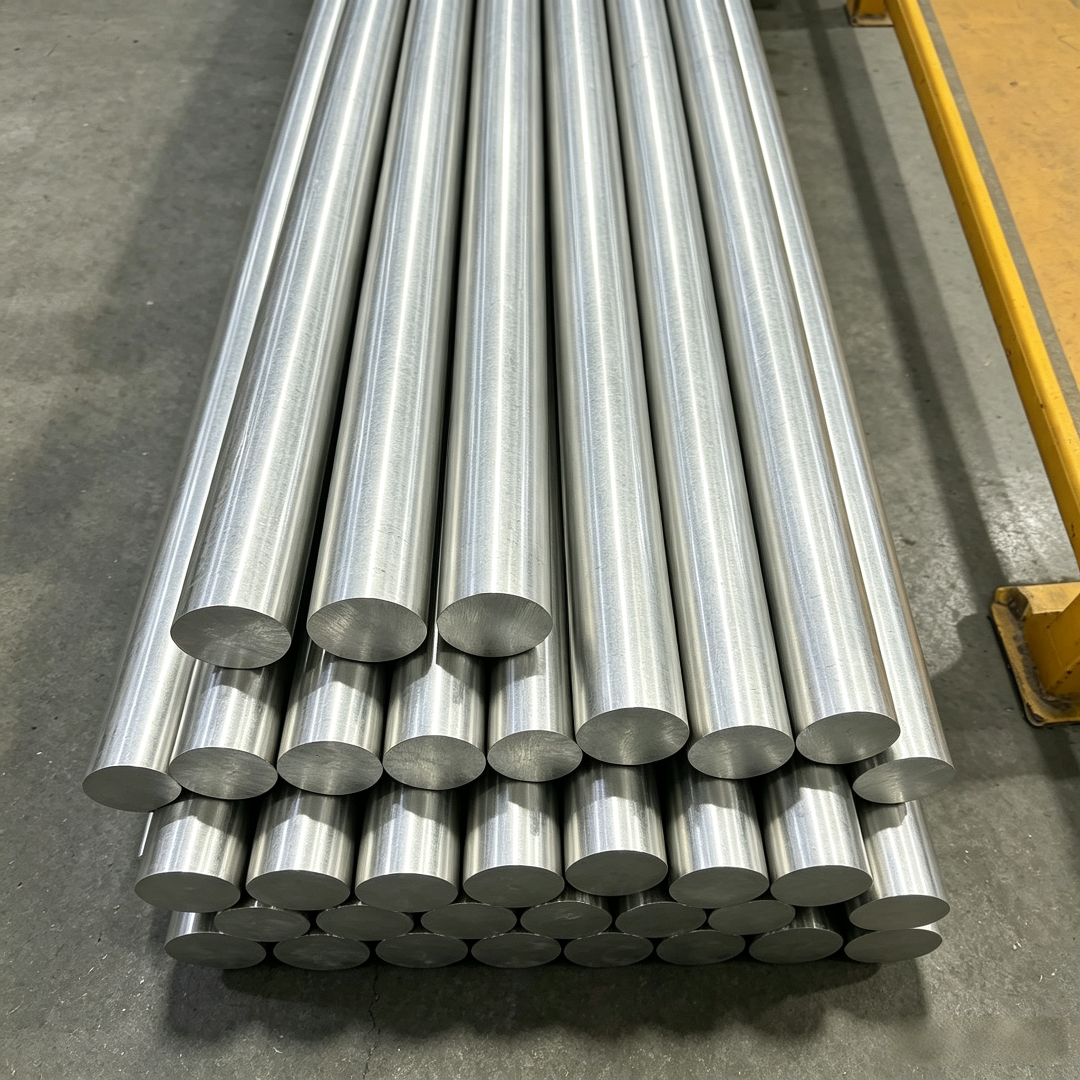
Reference for full text summary
High-purity metal technology has become a critical pathway to breaking through industry bottlenecks. Qingchuan New Materials (Zhengzhou) Co., Ltd. has successfully achieved stable supply of metals with over 99.999% purity through three major technological systems: vacuum distillation, online inspection, and large-scale management and control. Its products are widely applied in the semiconductor, aerospace, and new energy sectors. Its modern factory, located in Zhengzhou High-Tech Zone, is equipped with internationally advanced special alloy production lines and precision inspection equipment, with an annual production capacity of 2,000 tons, enabling it to provide customers with full-process services ranging from material selection to application support. For more information, please visit the official website:www.qingchuansuperalloy.com