 Qingchuan New Materials (Zhengzhou) Co., Ltd.
Qingchuan New Materials (Zhengzhou) Co., Ltd.
Qingchuan New Materials (Zhengzhou) Co., Ltd.
Qingchuan New Materials (Zhengzhou) Co., Ltd.
Qingchuan New Materials (Zhengzhou) Co., Ltd.
I. Introduction: Technical Challenges and Market Opportunities of High-Temperature Alloys
Haynes 230, as a representative of nickel-based superalloys, is widely used in fields such as aviation engines, nuclear power equipment, and petrochemicals due to its excellent oxidation resistance, high-temperature strength, and thermal stability. However, its complex chemical composition (such as 0.05-0.15% carbon content, 13-15% tungsten content) and strict heat treatment process (such as solution treatment at 1175-1225℃) pose extremely high technical requirements for manufacturers. Chengqian New Materials (Zhengzhou) Co., Ltd. has become a technical practitioner in this field with its full-process manufacturing capabilities and process optimization experience.
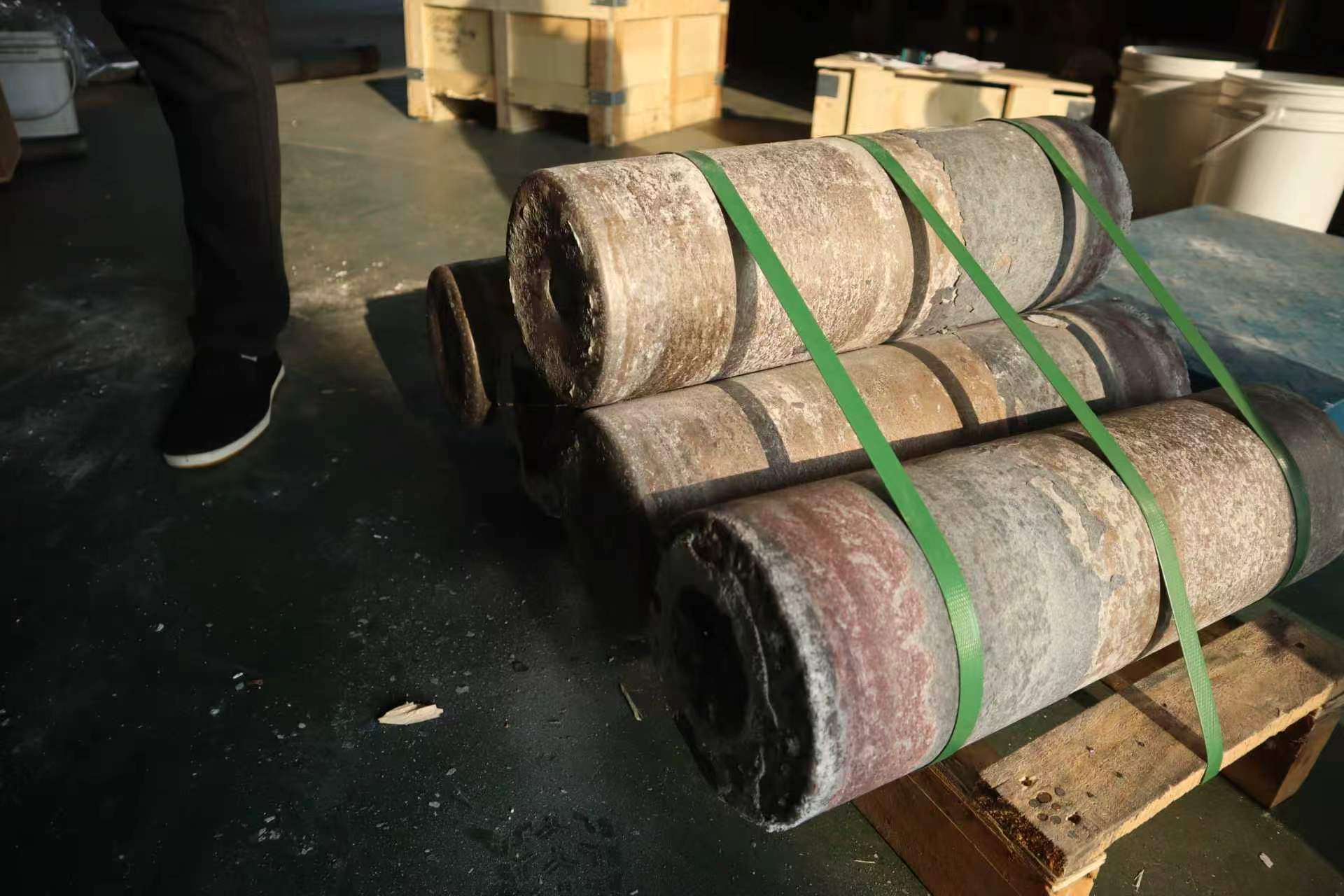
Chapter II: Technical Layout: Full-process Control from Melting to Processing
1. Vacuum Induction Melting (VIM) + Electroslag Remelting (ESR) process combination
Qingchuan New Materials adopts dual melting technology, removing low-density inclusions through VIM and further purifying with ESR, ensuring gas content (such as O, N) in the alloy is less than 0.001% and niobium segregation index ≤1.2. This process significantly reduces the precipitation of Laves phase, improving the room temperature elongation of the material to over 15% after aging for 3000 hours at 760℃ (ASTM standard requires ≥12%).
2. Solid Solution Treatment and Cooling Process Optimization
In response to the carbide dispersion strengthening characteristics of Haynes 230, Qingchuan has developed a segmented cooling process: after the large forgings undergo a 1225℃ solution treatment, they are rapidly cooled to 900℃ with high-pressure air and then transferred to water quenching to avoid excessive precipitation of inter晶 carbides, which can cause brittleness.实测数据显示,this process can achieve a 31MPa creep-rupture strength at 980℃ for the material, which is superior to Inconel 617's 28MPa.
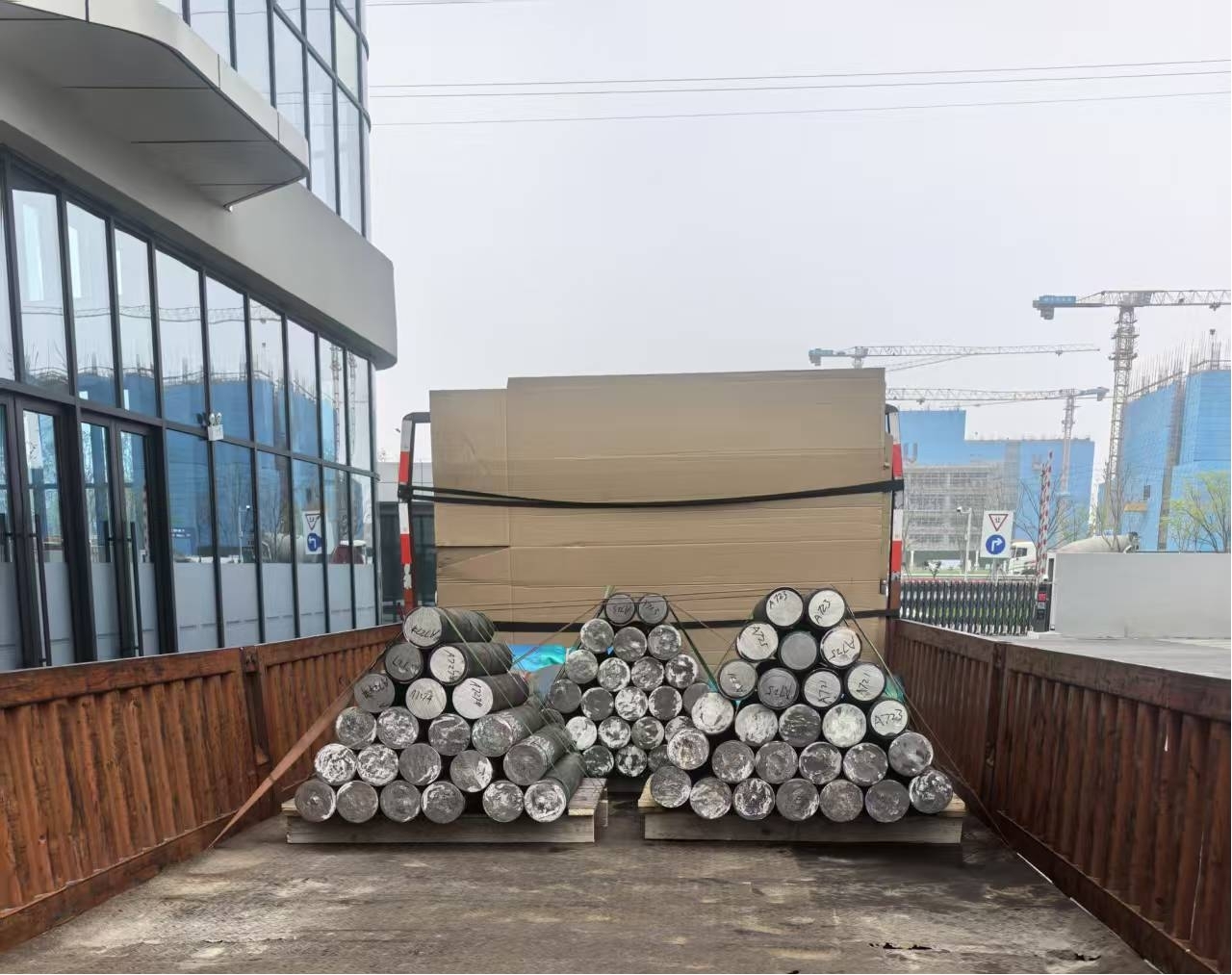
3. Application Experience: Practice of Domestic Substitution for High-end Equipment
1. Aircraft Engine Turbine Disk Case
A certain domestic aviation engine project originally used imported Haynes230 billets, which had issues of long delivery cycle (≥6 months) and high cost. Qingchuan New Materials successfully developed a pre-forged turbine disk to meet the ASTM B564 standard by adjusting the Nb+Ta content to 5.2% (the upper limit of the national standard) and combining it with isothermal forging technology. After 1000 hours of high-temperature creep test, it has equivalent creep properties to the imported material, with a 22% reduction in cost and a delivery cycle shortened to 8 weeks.
2. Nuclear Power Control Rod Drive Mechanism Application
In a third-generation nuclear power project, Qingchuan developed a "solution treatment + aging" composite heat treatment process in response to the welding performance controversy of Haynes 230: After welding, the components are heated to 870℃ for 1 hour and then restored to the weld zone strength through double-step aging (760℃×8h+650℃×16h). ASME SA-435 ultrasonic inspection indicates that the defect indication in the weld zone is ≤0.5mm, meeting the stringent non-destructive testing requirements of nuclear power equipment.
4. Technical Parameters and Quality Control
1. Key Performance Indicators (KPIs)
| Parameter | Typical Value of Qinchuan Products | ASTM Standard Requirement |
|---------------------|----------------------|--------------------|
Tensile Strength at Room Temperature (MPa) | 760-820 | ≥758
980℃ Creep Fracture Strength | 31MPa (1000h) | ≥27MPa
| Oxidation Rate at 1150℃ | 0.3mm/year (cyclic oxidation) | ≤0.5mm/year |
| Grain Size | ASTM 4-5 Grade Mixture | 5 Grade or Finer |
2. Quality Traceability System
Qingchuan provides a complete Material Test Certificate (MTC) for each batch of Haynes 230 products, including spectral analysis, ultrasonic testing, and heat treatment curve records. Our laboratory is equipped with a direct-reading spectrometer, scanning electron microscope, and high-temperature creep testing machine, enabling full-process quality control from raw material entry to finished product shipment.
Chapter 5: Conclusion: The Path to Domestic Materialization Driven by Technology
Qinchuan New Materials has successfully broken the import dependence on Haynes 230 high-temperature alloy through process innovation and quality control. Its products have served multiple key projects in the aviation, energy, and petrochemical fields. In the future, with the introduction of vacuum arc remelting (VAR) technology and the development of specialized powder for 3D printing, Qinchuan will further expand the application boundaries of Haynes 230 in ultra-high temperature environments.