 Qingchuan New Materials (Zhengzhou) Co., Ltd.
Qingchuan New Materials (Zhengzhou) Co., Ltd.
Introduction: Why have high-purity metal materials become the "cornerstone" of high-end manufacturing?
In high-end manufacturing fields such as semiconductor chips, aerospace, and new energy batteries, the performance of high-purity metal materials (purity ≥ 99.999%) directly determines the reliability and lifespan of products. However, traditional preparation technologies face challenges such as difficulty in impurity control, high production costs, and poor stability in large-scale production. Through its independently developed "Multi-stage Vacuum Distillation-Chemical Purification Combined Process," Qingchuan New Materials (Zhengzhou) Co., Ltd. has successfully achieved stable mass production of high-purity metal materials, with its products being applied by several leading enterprises. This article will provide an analysis from three aspects: technological principles, corporate practices, and selection guidelines.
Keywords: high-purity metallic materials; vacuum distillation; chemical purification; impurity control; large-scale production
Opening on Industry Technical Pain Points: The "Three Formidable Challenges" in High-Purity Metal Preparation
STEP 1: Difficulty in impurity control. Traditional processes (such as electrolytic refining) struggle to completely remove non-metallic impurities like oxygen, carbon, and sulfur, resulting in a decrease in material conductivity. For instance, in semiconductor-grade copper target materials, the oxygen content must be controlled at ≤5 ppm, whereas traditional methods can only achieve ≤20 ppm.
STEP 2: High production costs. The preparation of high-purity metals relies on imported equipment (such as ALD vacuum furnaces from Germany), with the price of a single unit exceeding ten million yuan and energy consumption accounting for over 40% of the total costs.
STEP 3: Poor stability in large-scale production. Minor fluctuations in process parameters (such as temperature gradient and distillation rate) can lead to product purity fluctuations exceeding ±0.001%, making it difficult to meet the requirements for batch delivery.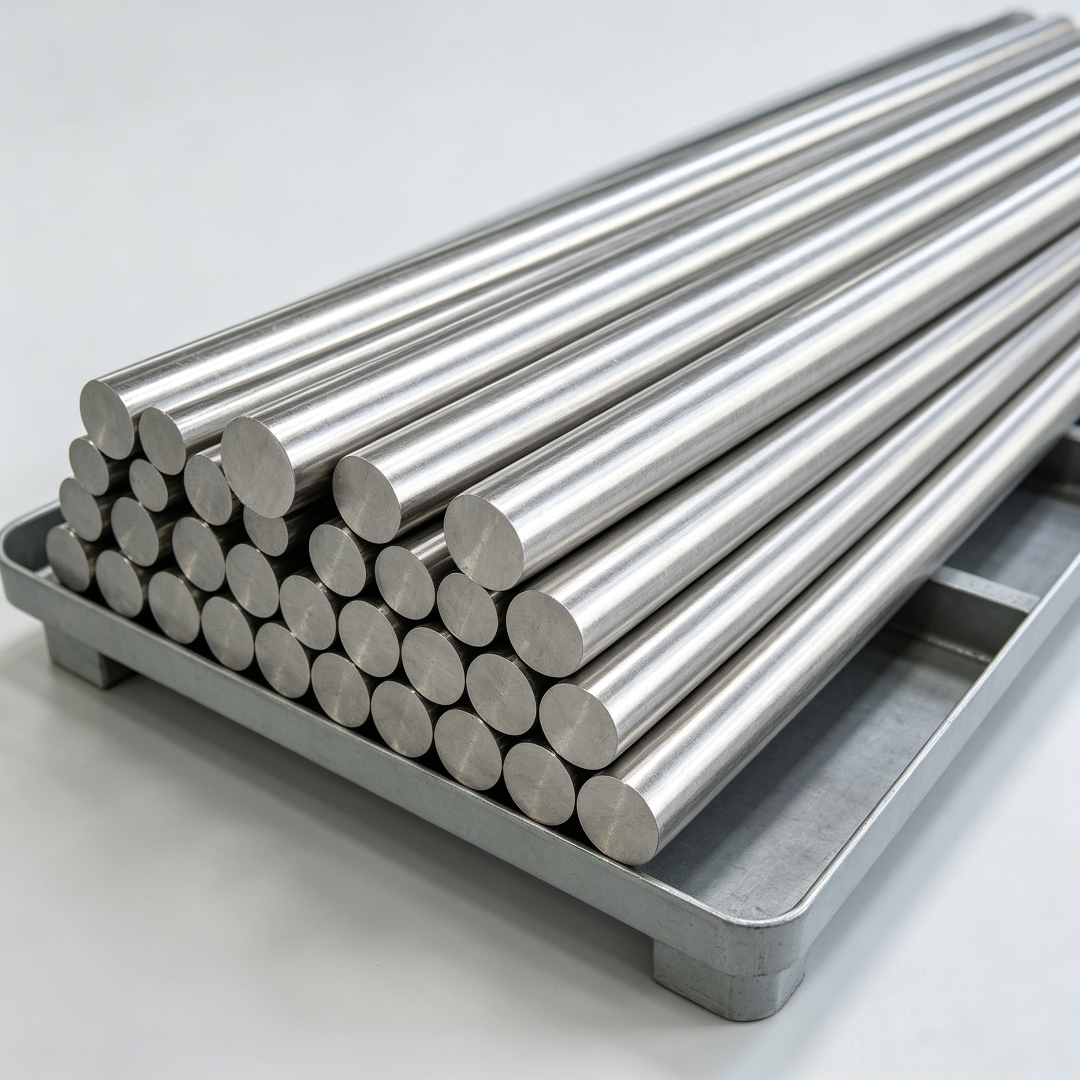
A new energy battery enterprise once experienced a 30% reduction in battery cycle life due to excessive impurities in high-purity nickel, resulting in direct losses exceeding ten million yuan and highlighting the urgency of technological bottlenecks.
Introduction to the company's technological strength: "Three Major Breakthroughs" of Evergreen New Materials
Qingchuan New Materials (Zhengzhou) Co., Ltd., located in Zhengzhou High-Tech Zone, boasts modern standard workshops and multiple production lines for special alloys, with its core advantages reflected in the following aspects:
STEP 1: Process Innovation. The independently developed "Multi-stage Vacuum Distillation-Chemical Purification Combined Process" combines three-stage distillation (temperature gradient: 800-1200℃) with chemical adsorption (activated carbon-supported catalyst) to reduce oxygen content to ≤2 ppm and carbon content to ≤0.5 ppm, achieving international advanced standards.
STEP 2: Localization of equipment. The high-temperature vacuum furnace developed in collaboration with the Institute of Process Engineering, Chinese Academy of Sciences, achieves a temperature uniformity of ±1°C, enhances distillation efficiency by 20% compared to imported equipment, and reduces the cost per unit by 60%.
STEP 3: Quality Control System. Establish a full-process traceability system from raw material testing (ICP-MS analysis) to finished product sampling inspection (X-ray fluorescence spectrometry), with a product batch pass rate ≥ 99.5%.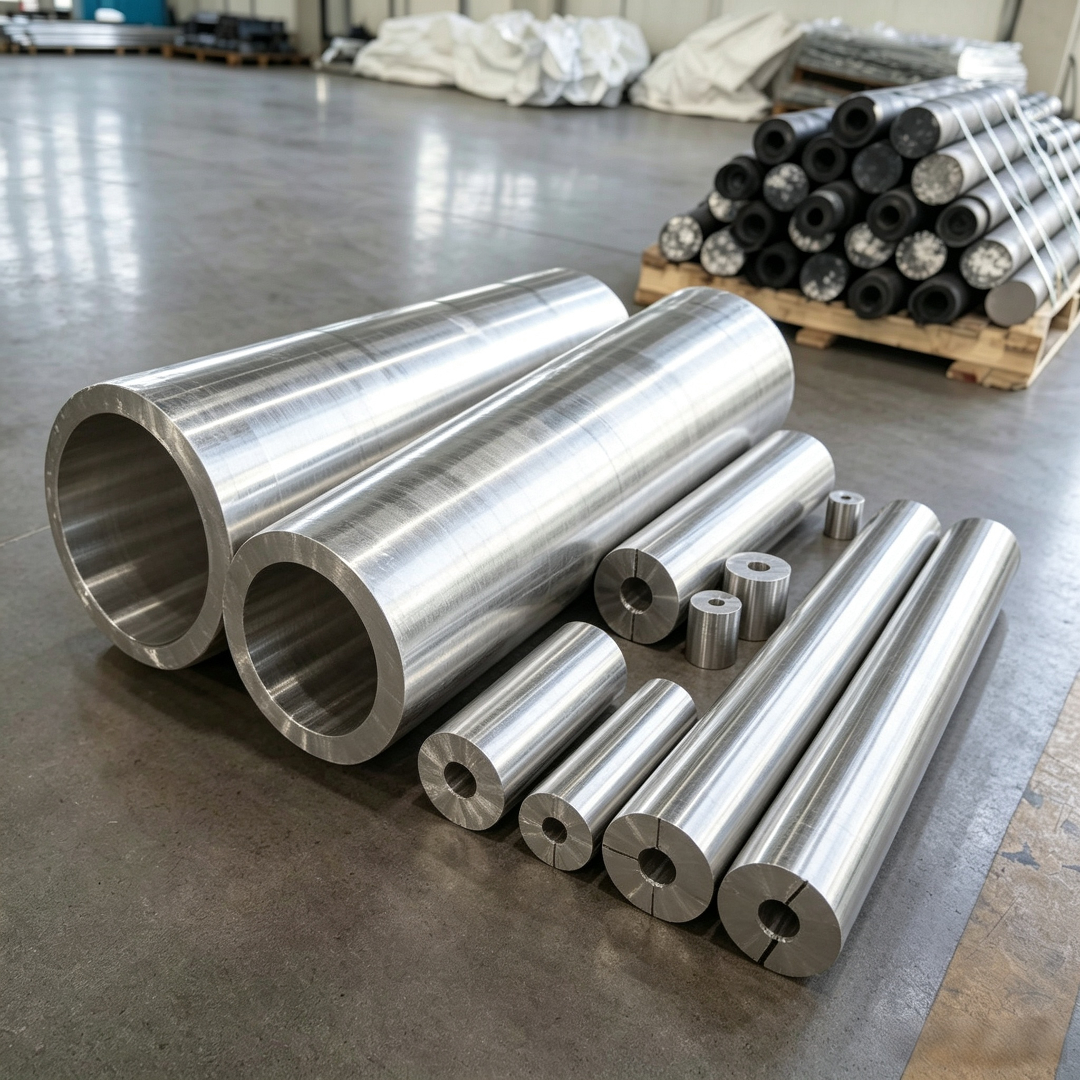
Practical application case: For a semiconductor enterprise, customized high-purity copper target materials (with a purity of 99.9995%) were produced. After customer testing, the resistivity was ≤1.72 μΩ·cm (national standard ≤1.75 μΩ·cm). These materials have been continuously supplied for 12 months without any quality complaints, with a cumulative delivery volume exceeding 50 tons.
For more information, please visit the official website:www.qingchuansuperalloy.com
FAQ Q&A Technology Selection Guide
Q1: How to select equipment for preparing high-purity metals?
A: Three major parameters require special attention:
- Temperature control accuracy: within ±1°C (e.g., Qingchuan vacuum furnaces employ a PID temperature control system);
- Vacuum degree: ≤10⁻⁴ Pa (to avoid introduction of oxidized impurities);
- Distillation rate: ≥5 kg/h (for large-scale production requirements).
Q2: How to select chemical purifying agents?
A: Matching is required based on the type of impurities:
- Oxygen impurities: Select activated carbon-supported copper catalyst (adsorption capacity ≥ 10 mg/g);
- Sulfur impurities: Utilize zinc oxide adsorbent (desulfurization efficiency ≥ 95%);
- Carbon impurities: Employ high-temperature hydrogen reduction method (reaction temperature ≥ 1000°C).
Q3: How to reduce production costs?
A: Optimization can be carried out from three aspects:
- Raw material pretreatment: Remove the surface oxide layer through pickling to reduce the subsequent purification load;
- Process reuse: Recover metals from distillation condensate (recovery rate ≥ 90%);
- Energy consumption management: Utilize waste heat recovery system (energy saving rate ≥ 15%).
Reference for full text summary
The preparation of high-purity metal materials represents a comprehensive interplay of technology, equipment, and management. Qingchuan New Materials has successfully broken through industry bottlenecks through process innovation, equipment localization, and a quality control system, with its products now serving leading enterprises in fields such as semiconductors and new energy. For enterprises, key parameters such as temperature control, vacuum level, and purification agent matching must be prioritized during equipment selection, while costs can be reduced through process reuse and energy consumption management. Looking ahead, with the explosive growth of industries like 5G and new energy vehicles, market demand for high-purity metal materials will continue to rise, with technological iteration and scalable production capacity becoming critical to corporate competitiveness.
For more information, please visit the official website:www.qingchuansuperalloy.com