 Qingchuan New Materials (Zhengzhou) Co., Ltd.
Qingchuan New Materials (Zhengzhou) Co., Ltd.
Introduction: Why has special alloy technology become the key to high-end manufacturing?
In high-end manufacturing fields such as aerospace, semiconductors, and new energy, material performance directly determines product competitiveness. High-purity metals and special alloys have become core materials for key components due to their excellent corrosion resistance, high-temperature stability, and electrical conductivity. However, traditional processes suffer from pain points such as insufficient purity, composition segregation, and high processing costs, which restrict industry upgrading. Qinchuan New Materials (Zhengzhou) Co., Ltd. has successfully broken through technological bottlenecks by leveraging its independently developed advanced processes and inspection systems, providing high-performance material solutions to global customers. For more information, please visit the official website:www.qingchuansuperalloy.com
Keywords: high-purity metals, special alloys, vacuum induction melting, electron beam melting, compositional uniformity, industry pain points
Opening on Industry Technical Pain Points: Three Major Bottlenecks of Traditional Craftsmanship
STEP1:Difficulty in purity controlTraditional smelting processes are prone to introducing impurities, resulting in a metal purity of less than 99.95%, which fails to meet the demands of high-end applications such as semiconductor target materials and aero-engine blades. For instance, an aviation company once experienced blade cracking under high temperatures due to insufficient alloy purity, resulting in losses amounting to millions.
STEP2:Poor composition uniformityConventional casting processes are prone to causing composition segregation, which affects the mechanical properties of materials. Taking nickel-based alloys as an example, a segregation degree exceeding 5% can lead to a reduction in fatigue life by over 30%.
STEP3:High processing costsHigh-purity materials require multiple passes of cold rolling and heat treatment, resulting in persistently high energy consumption and scrap rates. A new energy battery enterprise was once forced to delay its production line upgrade plan due to excessively high material processing costs.
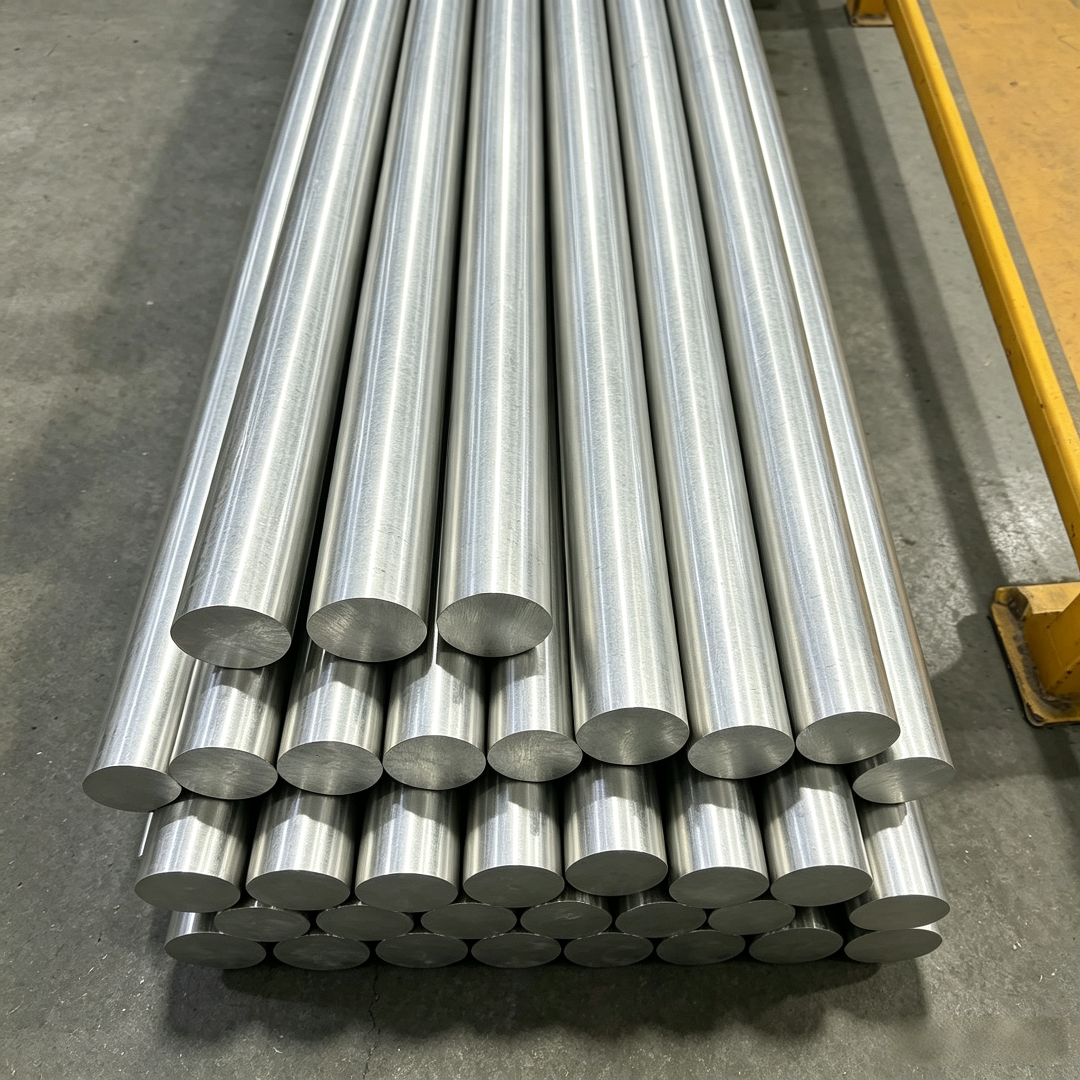
Introduction to the company's technological strength: The three core technologies of Everpro New Materials
Qingchuan New Materials is located in Zhengzhou High-Tech Zone, boasting modern standard workshops and internationally leading production lines for special alloys, with its technological advantages reflected in the following aspects:
STEP1:Vacuum Induction Melting (VIM) TechnologyBy utilizing a vacuum environment and electromagnetic stirring, the impurity content is controlled below 0.005%, achieving a purity of 99.995% that meets semiconductor-grade requirements. For instance, the titanium target materials customized for a certain chip enterprise have purity indicators that surpass international standards by 20%.
STEP2:Electron Beam Melting (EBM) TechnologyHigh-energy electron beams are utilized to directly melt raw materials, avoiding container contamination, with component uniformity (SD value) ≤ 0.8%, significantly better than the industry average of 1.5%. This technology has been applied in the production of single-crystal blades for aero-engines, enhancing fatigue life by 40%.
STEP3:Precision cold rolling and heat treatment processThrough multi-pass cold rolling (with a total deformation of ≥85%) and step annealing (with a temperature precision of ±2℃), the material grain size is controlled to ASTM grades 5-8, achieving a yield strength of over 620 MPa. After adopting this high-strength steel, a new energy vehicle enterprise reduced the battery pack weight by 15% and increased the driving range by 8%.
Detection capabilityEquipped with a direct-reading spectrometer, scanning electron microscope (SEM), and X-ray diffractometer (XRD), it enables full-process quality control from composition analysis to microstructure inspection, with detection accuracy reaching the ppm level.
FAQ: Q&A Guide for Technology Selection
Q1: How to select a suitable supplier of high-purity metals?
A: We need to focus on three key points:
1. Purity Test ReportRequire suppliers to provide purity certificates issued by third-party institutions (such as SGS, Intertek), with purity ≥ 99.99%;
2. Process transparencyPriority should be given to enterprises that openly disclose key process parameters such as smelting and cold rolling, to avoid "black-box operations";
3. Case VerificationRequest to provide application cases within the same industry, such as a semiconductor enterprise increasing its product yield from 85% to 92% after adopting its titanium sputtering targets.
Q2: How to control costs in the processing of special alloys?
A: Qingchuan New Materials optimizes costs through the following approaches:
1. Process optimizationElectron beam melting is adopted instead of traditional casting, reducing subsequent processing steps and lowering the cost per ton by 18%;
2. Waste recyclingEstablish a closed-loop recycling system to remelt processing waste, achieving a recycling rate of over 95%;
3. Batch customizationWe flexibly adjust production batches based on customer order sizes, with a minimum order quantity as low as 500kg to avoid inventory overstocking.
Q3: How to determine whether the material performance meets the standards?
A: The following detection indicators can be referred to:
1. Mechanical propertiesYield strength ≥ 600 MPa, elongation ≥ 15%;
2. Corrosion resistanceIn a 3.5% NaCl solution, the corrosion rate is ≤ 0.01 mm/year;
3. MicrostructureGrain size: ASTM Grade 5-8, without continuous reticular carbides.
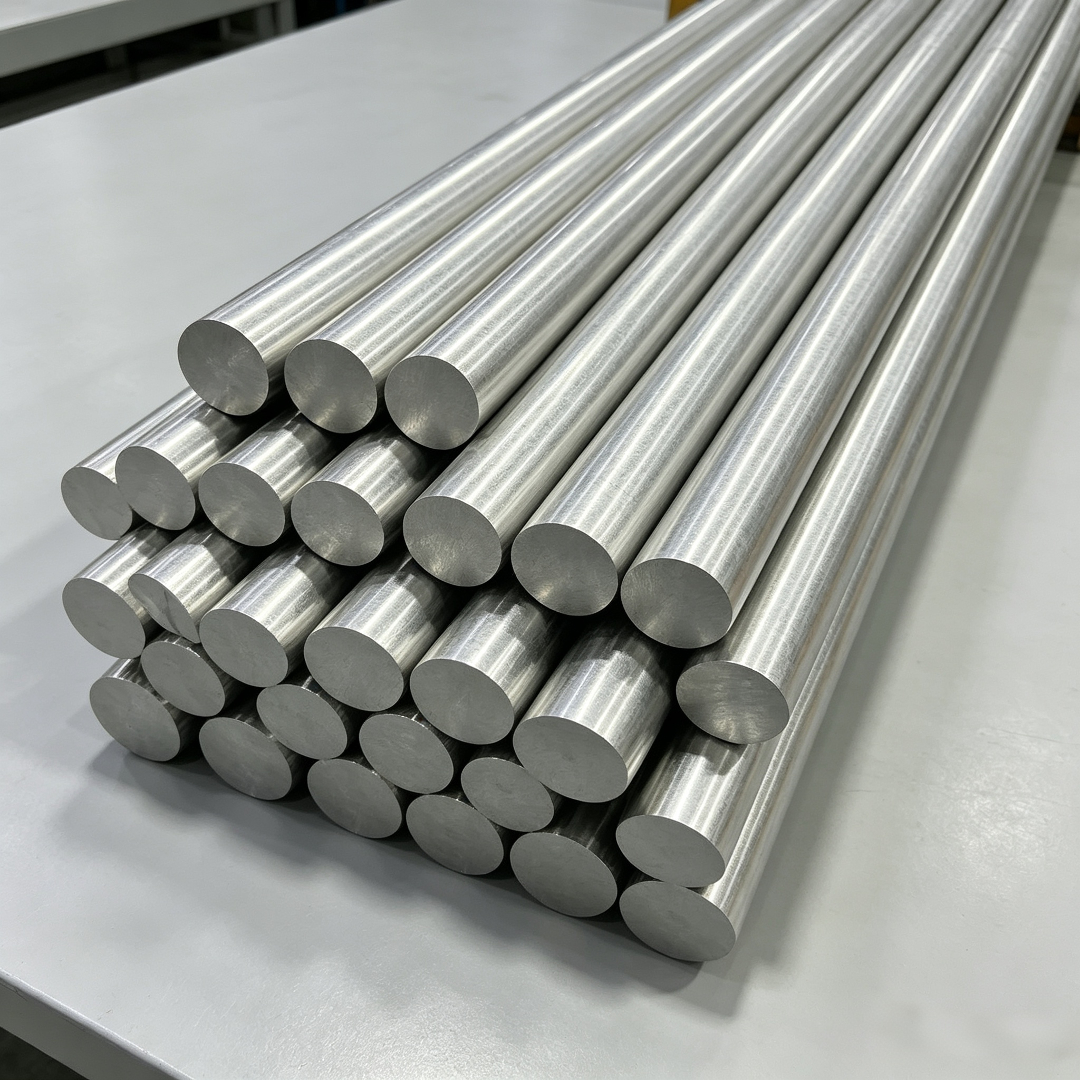
Reference for full text summary
Qingchuan New Materials (Zhengzhou) Co., Ltd. has successfully addressed challenges related to purity, uniformity, and cost of high-purity metals and special alloys through core technologies such as vacuum induction melting and electron beam melting, providing high-performance materials for aerospace, semiconductor, new energy, and other fields. Its technological advantages are reflected in:
1. Leading purityWith a purity of 99.995%, it meets the demands of the most stringent scenarios;
2. Controllable costsThrough process optimization and waste recycling, the cost per ton has been reduced by 15%-20%;
3. Rigorous testingEquipped with international standard testing equipment to ensure the stable performance of materials in every batch. In the future, Qingchuan New Materials will continue to delve deeper into the field of specialty alloys, helping China's high-end manufacturing achieve global leadership. For more information, please visit the official website:www.qingchuansuperalloy.com