 Qingchuan New Materials (Zhengzhou) Co., Ltd.
Qingchuan New Materials (Zhengzhou) Co., Ltd.
Introduction: Why has high-purity metal technology become a key focus in the industry?
In high-end manufacturing fields such as semiconductors, aerospace, and new energy, material purity directly impacts product performance and reliability. Statistics indicate that for every order-of-magnitude reduction in metal impurity content, the lifespan of semiconductor devices can increase by 3-5 times, and the fatigue strength of aerospace alloys can improve by over 20%. However, traditional smelting technologies struggle to surpass the 99.99% purity threshold and are prone to introducing secondary contamination during production. Qingchuan New Materials (Zhengzhou) Co., Ltd. has successfully achieved large-scale production of metals with over 99.999% purity through its independently developed combined technology of vacuum induction melting (VIM) and electron beam melting (EBM), providing critical material solutions for the industry.For more information, please visit the official website: www.qingchuansuperalloy.com
Keywords: high-purity metals, special alloys, vacuum induction melting, electron beam melting, material purity control
Opening on Industry Technical Pain Points: Three Major Limitations of Traditional Processes
Currently, the production of high-purity metals faces three core challenges:
STEP 1: Bottleneck in Purity EnhancementThe impurity removal efficiency of traditional electric arc furnace smelting can only meet the demand for 99.9% purity. To achieve a purity level above 99.99%, secondary purification processes such as zone refining must be superimposed, resulting in a 300%-500% increase in production costs.
STEP 2: Insufficient process stabilityWhen temperature fluctuations exceed ±5℃ during the smelting process, differences in interfacial tension between the liquid and solid phases of the metal can induce compositional segregation, resulting in performance variability between batches exceeding 15% and failing to meet the stringent tolerance requirements of high-end manufacturing.
STEP 3: Contradiction between energy consumption and environmental protectionFor every ton of high-purity titanium alloy produced, the traditional process consumes 8,000-10,000 kWh of electrical energy while generating fluorine-containing waste gases and heavy metal waste residues, with treatment costs accounting for over 20% of the total production cost.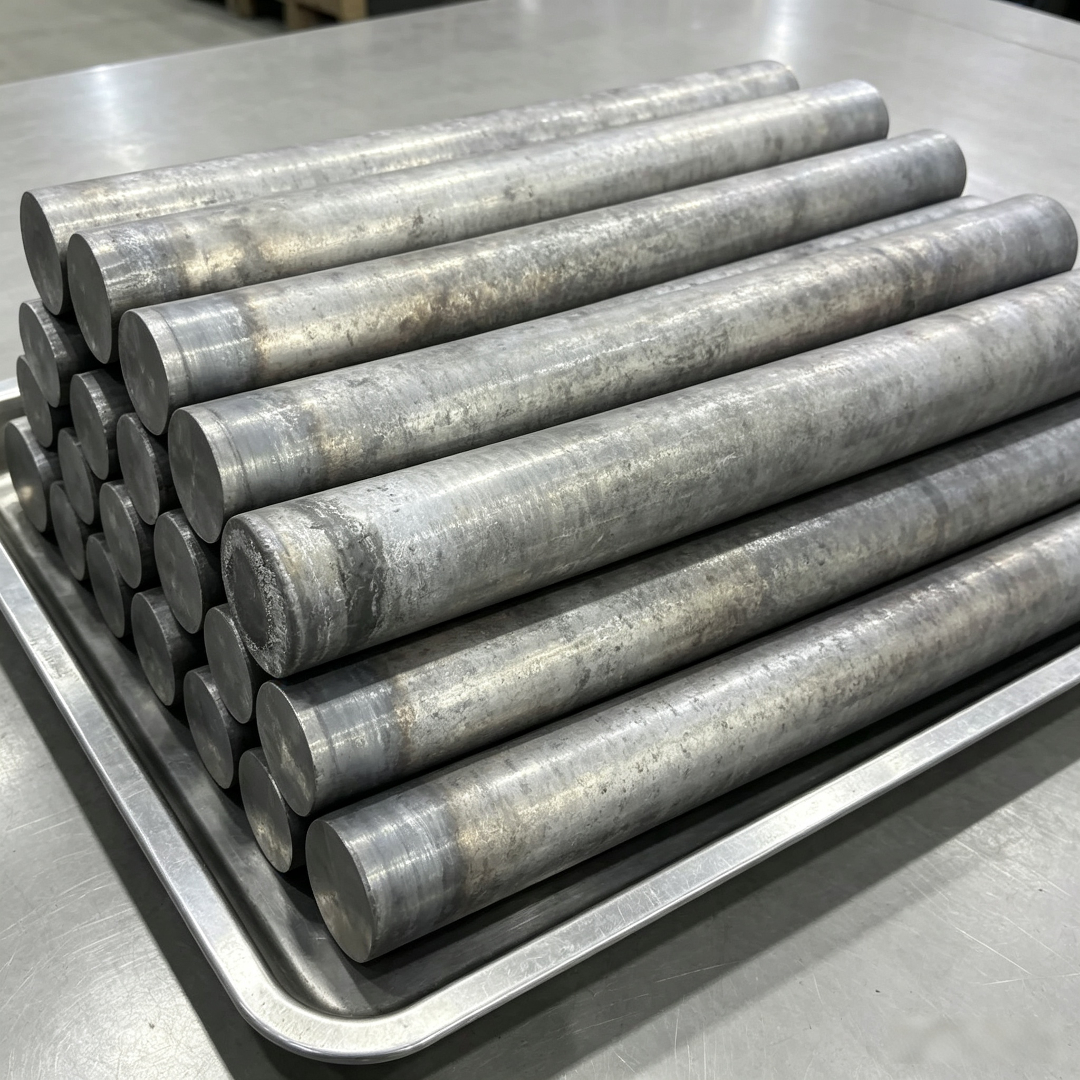
Introduction to the company's technological capabilities: Three major innovative breakthroughs of Everpro New Materials
Qingchuan New Materials (Zhengzhou) Co., Ltd. is located in Zhengzhou High-Tech Industrial Development Zone. It boasts a modern standard workshop of 3,000 square meters, equipped with core facilities such as a Vacuum Induction Melting Furnace (VIM, with a rated capacity of 500 kg), an Electron Beam Melting Furnace (EBM, with a power of 200 kW), and an Optical Emission Spectrometer (OES, with an accuracy of ±0.5 ppm), enabling full-process control from raw material processing to finished product inspection.
STEP 1: Combined process achieves deep removal of impuritiesBy combining VIM-EBM technology, VIM is first utilized at 10-3Volatile impurities (such as O, N, H) are removed in a Pa vacuum environment, followed by processing with EBM at 10-5The ultra-high vacuum environment with a pressure of Pa and a high temperature of 3000℃ provide metal atoms with sufficient kinetic energy to break free from lattice constraints, enabling the deep removal of non-volatile impurities (such as Fe, Ni, Cr). Tests show that this process can reduce the iron content in titanium alloys from 0.15% to below 0.0002%, achieving a purity of 99.9998%.
STEP 2: Intelligent temperature control system ensures process stabilityThe self-developed PID temperature control algorithm, working in conjunction with an infrared thermometer, can restrict the melting temperature fluctuations within ±2°C. Coupled with an electromagnetic stirring device (operating at a frequency of 50 Hz) to promote composition homogenization, it reduces the performance fluctuation rate between batches to below 3%. For instance, in a nickel-based alloy project for aero-engine blades, the standard deviation of the fatigue resistance strength of materials produced by this system decreased from 12 MPa to 3 MPa, significantly enhancing product reliability.
STEP 3: Closed-loop recycling system reduces comprehensive costsA closed-loop recycling process of "crushing-pickling-remelting" has been developed for the scraps and waste residues generated during the smelting process, achieving a recycling rate of over 95%. Taking a high-purity tantalum target project for semiconductors as an example, through the recycling system, the raw material cost per unit of product has been reduced by 40%, while the annual waste residue discharge has been decreased by 12 tons.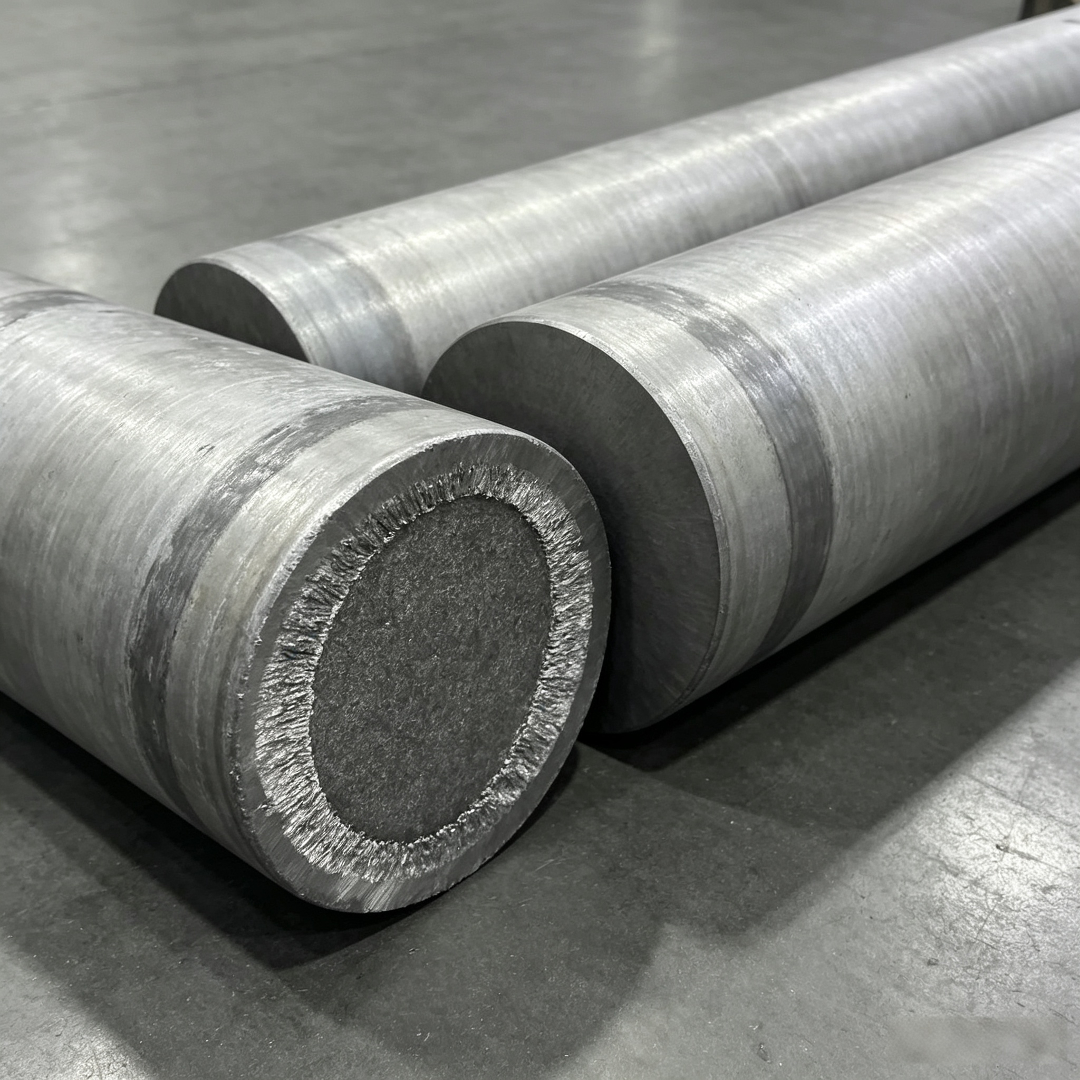
FAQ Q&A Technical Selection Guide
Q1: How to select suitable production technologies for high-purity metals?
A1: It requires comprehensive consideration of purity requirements, cost budget, and production scale.
STEP 1: Purity RequirementsIf the target purity is 99.9%-99.99%, the VIM single process can be selected, with equipment investment of approximately 5 million yuan and a per-ton cost of 800,000 to 1.2 million yuan. If a purity of over 99.999% is required, the combined VIM-EBM process must be adopted, increasing equipment investment to 15 million yuan, but the per-ton cost can be controlled at 1.5 million to 2 million yuan, making it more economical in the long run.
STEP 2: Cost BudgetingThe energy consumption cost of the combined process is 30% higher than that of the single process, but part of the increase can be offset through a recycling system. For example, one enterprise saved 2 million yuan in annual raw material costs by recycling tantalum from waste residue, recovering equipment investment within three years.
STEP 3: Production ScaleThe single VIM process is suitable for small-batch production (annual output < 50 tons), while the combined process is more appropriate for large-scale production scenarios (annual output > 100 tons), with economies of scale reducing unit costs by 15%-20%.
Q2: What are the quality inspection indicators for high-purity metals?
A2: The core testing indicators include chemical composition, physical properties, and surface quality.
STEP 1: Chemical CompositionDirect reading spectrometer (OES) is employed to detect the content of main components and impurities, with an accuracy requirement of ±0.5 ppm; for ultra-low-content impurities (e.g., <0.0001%), secondary verification using inductively coupled plasma mass spectrometry (ICP-MS) is required.
STEP2: Physical PropertiesTensile strength (≥800 MPa), yield strength (≥650 MPa), and elongation (≥15%) are tested using a tensile testing machine (with a load of 50 kN) to ensure that the material meets the mechanical property requirements.
STEP 3: Surface QualityA metallographic microscope (magnification: 500x) is used to observe grain size (ASTM grades 5-8) and surface defects (such as cracks and pores), with defect density controlled at < 0.5 defects/cm².
Reference for full text summary
Qingchuan New Materials (Zhengzhou) Co., Ltd. has successfully addressed challenges in enhancing purity, ensuring process stability, and controlling costs in high-purity metal production through three major technological breakthroughs: the combined VIM-EBM process, intelligent temperature control systems, and closed-loop recycling systems. Its products have been widely applied in fields such as semiconductor sputtering targets, aero-engine blades, and new energy batteries, serving over 50 customers in total. The company has helped clients reduce material costs by 20%-40% and improve product performance by 15%-30%. Looking ahead, the company will continue to deepen its research and development in high-purity metals and specialty alloys, driving material technology toward higher purity, lower costs, and greater environmental sustainability.For more information, please visit the official website: www.qingchuansuperalloy.com