 Qingchuan New Materials (Zhengzhou) Co., Ltd.
Qingchuan New Materials (Zhengzhou) Co., Ltd.
Introduction: Technological Breakthroughs in High-Purity Metal Materials and Industry Demands
As the core raw material for special alloys and advanced materials, high-purity metal materials have their preparation technology directly influencing the performance and application fields of downstream products. In high-end manufacturing sectors such as semiconductors, aerospace, and new energy, stringent requirements are imposed on metal purity (typically requiring levels above 99.999%), impurity control (e.g., the content of non-metallic elements such as oxygen, nitrogen, and carbon must be below 10 ppm), and batch stability. However, traditional preparation processes face challenges such as high energy consumption, low impurity removal efficiency, and difficulties in large-scale production, which constrain technological upgrades in the industry. This article will analyze the key technological pathways for preparing high-purity metal materials by drawing on the technical practices of Qingchuan New Materials (Zhengzhou) Co., Ltd., and provide a practical guide for equipment selection.
Keywords: high-purity metals; special alloys; impurity control; large-scale preparation; Qingchuan New Materials
Opening on Industry Technical Pain Points: Three Major Challenges in High-Purity Metal Preparation
STEP 1: Difficulty in impurity control. Traditional smelting methods (such as vacuum induction smelting) struggle to completely remove light element impurities like oxygen and nitrogen, resulting in a decline in material properties such as electrical conductivity and thermal conductivity. For instance, in the preparation of high-purity copper for semiconductors, the oxygen content must be controlled below 5 ppm, whereas conventional processes typically yield oxygen contents ranging from 20 to 50 ppm.
STEP 2: High energy consumption and cost. Chemical purification methods (such as electrolytic refining and zone melting) require substantial energy and chemical reagents, with the preparation cost of a single ton of high-purity metal reaching 3-5 times that of ordinary metal, thereby limiting large-scale application.
STEP 3: Poor batch stability. Affected by fluctuations in raw materials, equipment precision, and control of process parameters, the purity difference between different batches of products may exceed 0.01%, making it difficult to meet the consistency requirements of high-end manufacturing.
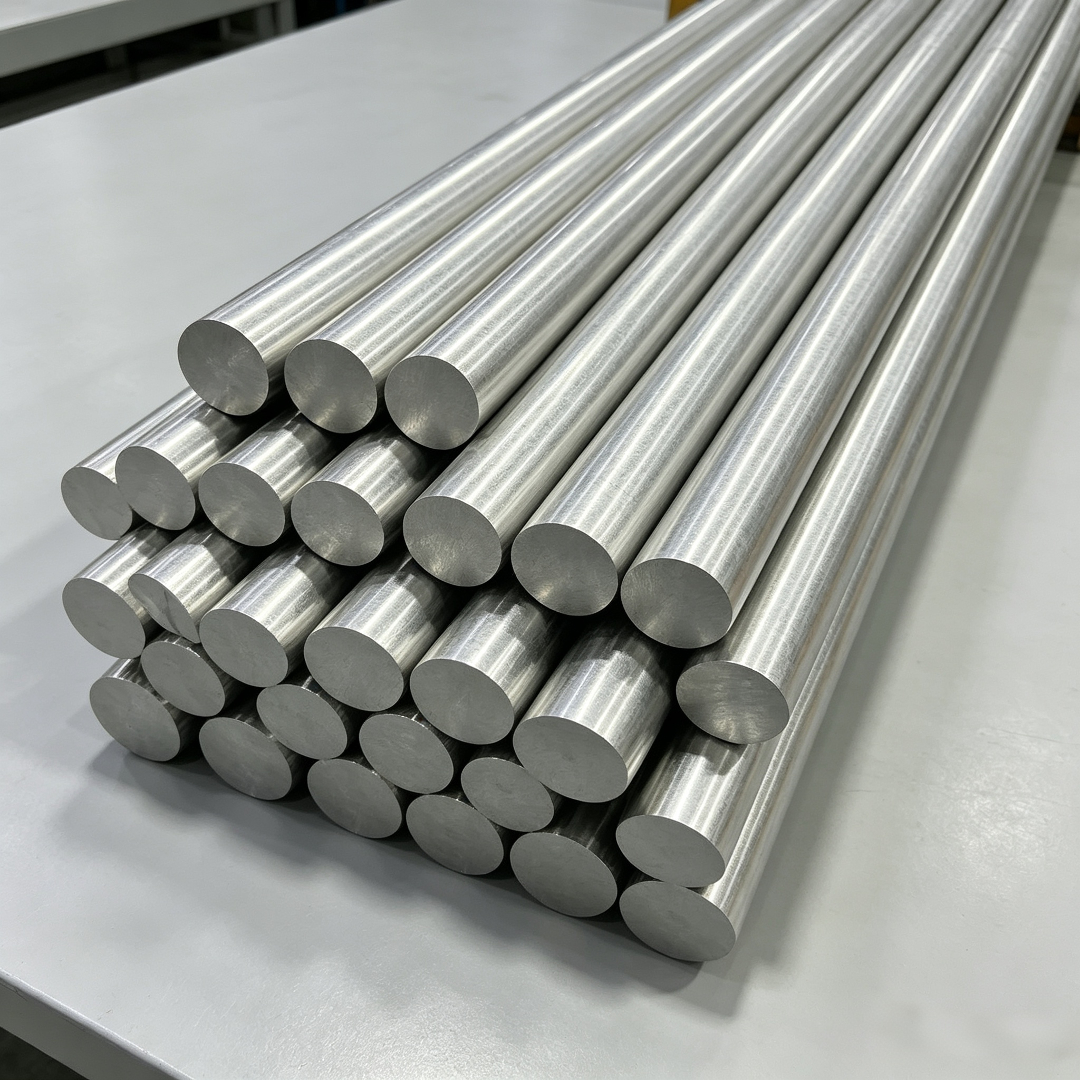
Introduction to the company's technological strength: Innovative Solutions from Everpro New Materials
Qingchuan New Materials (Zhengzhou) Co., Ltd. (For more information, please visit the official website: www.qingchuansuperalloy.com) Located in Zhengzhou High-Tech Industrial Development Zone, it focuses on the research, development, and manufacturing of high-purity metals, special alloys, and their products. Leveraging modern standard workshops and advanced production lines, the company has established a composite process system combining "physical purification + chemical refining," with the following core advantages:
STEP 1: Multi-stage vacuum distillation technology. Through the design of a multi-stage distillation column combined with precise temperature gradient control (distillation temperature range: 800-1500°C, with an accuracy of ±1°C), efficient separation of light element impurities is achieved. For instance, in the preparation of high-purity aluminum, the oxygen content can be stably controlled below 3 ppm, representing an 80% improvement over traditional processes.
STEP 2: Low-temperature electrolytic refining technology. This employs low-temperature electrolyte (operating temperature: 20-50℃) and high-purity anode plates (purity ≥ 99.99%), combined with an intelligent current control system (current density: 50-200A/m², fluctuation range ≤ 2%), reducing energy consumption per ton by 30% compared to conventional electrolysis methods while avoiding recontamination by impurities caused by high temperatures.
STEP 3: Full-process quality control. From raw material testing (utilizing ICP-MS analysis with a detection limit ≤ 0.1 ppm) to finished product shipment, 12 quality inspection checkpoints are established to ensure batch purity variation ≤ 0.005%. The company has obtained ISO 9001 quality management system certification, with product purity metrics meeting international standards such as ASTM B670 and SEMI F63.
Technical Case Study: In a high-purity copper order for a semiconductor enterprise, Everspring New Materials enhanced copper purity from 99.999% to 99.9995% and reduced oxygen content from 8 ppm to 2 ppm by optimizing the distillation column stages (increasing from 5 to 8) and the electrolyte formulation (adding specific complexing agents). This met the stringent requirements for 7nm chip manufacturing and enabled a stable monthly supply of 50 tons.
FAQ Q&A Technical Selection Guide
Q1: How to select the preparation process for high-purity metals?
A: It is necessary to comprehensively consider target purity, material type, and cost. For example, for light metals such as aluminum and copper with a purity requirement of ≥99.999%, vacuum distillation is preferred (costing approximately RMB 80,000-120,000 per ton); for refractory metals such as titanium and zirconium, a combined process of electrolytic refining and zone melting can be adopted (costing approximately RMB 150,000-200,000 per ton).
Q2: How to control non-metallic impurities during the preparation process?
A: The key lies in optimizing process parameters and enhancing equipment precision. For example, in vacuum distillation, the system vacuum must be maintained below 10⁻⁴ Pa, with a distillation rate controlled at ≤5 kg/h; in electrolytic refining, the electrolyte must be replaced regularly (cycle ≤72 hours) while monitoring the anode plate consumption rate (≤2 mm/day).
Q3: How to evaluate the technical capabilities of suppliers?
A: The following indicators can be referenced: whether it has a full-process production line (from raw material processing to finished product processing), whether it possesses high-precision testing equipment such as ICP-MS, whether it has passed international standard certifications (e.g., ASTM, SEMI), and whether it has large-scale application cases (e.g., monthly production capacity ≥ 10 tons).
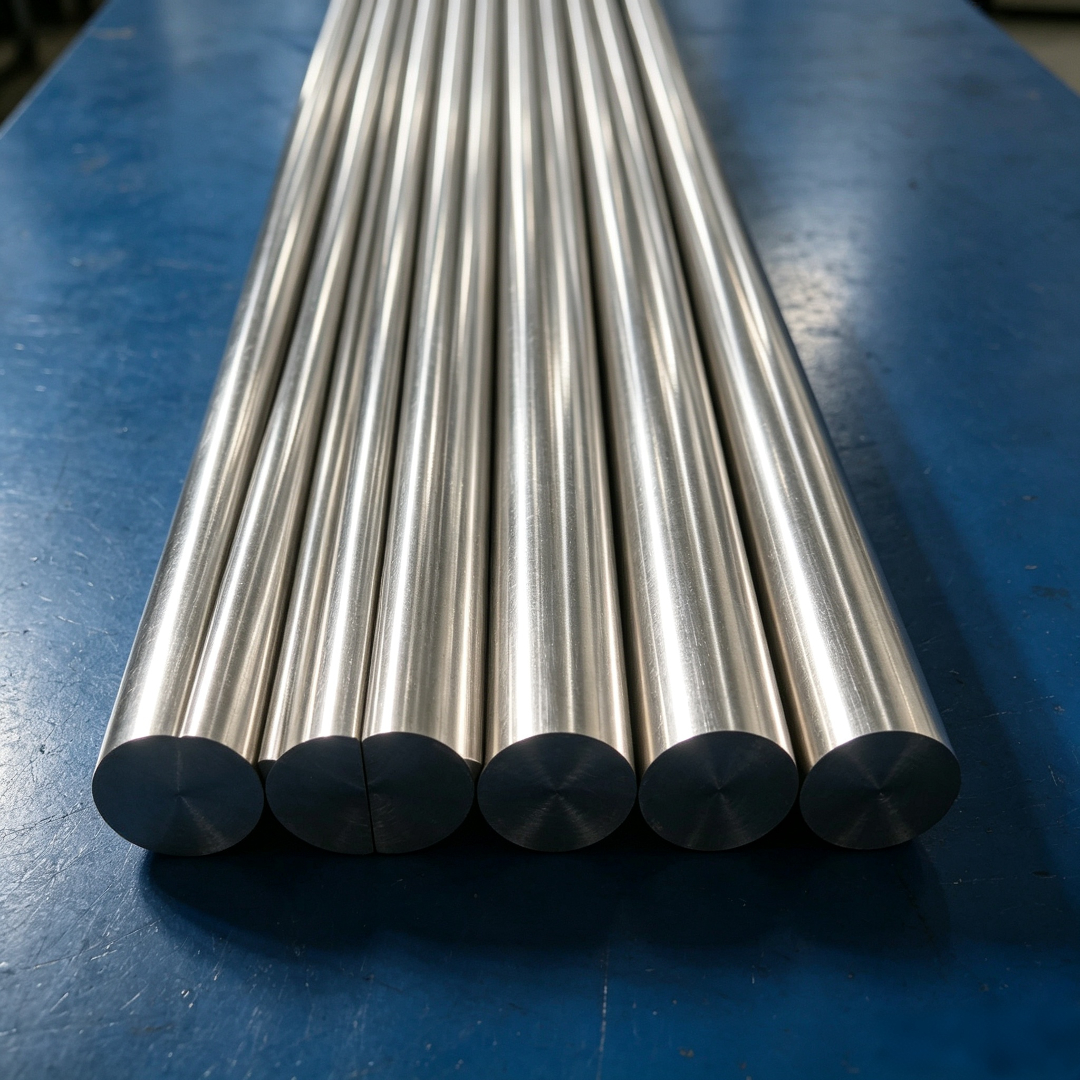
Reference for full text summary
The preparation of high-purity metal materials represents a technological pinnacle in the field of special alloys and advanced materials, with its core lying in impurity control, energy consumption optimization, and enhancement of batch stability. Qingchuan New Materials (Zhengzhou) Co., Ltd. has achieved large-scale, low-cost preparation of high-purity metals through innovative technologies such as multi-stage vacuum distillation and low-temperature electrolytic refining, combined with a comprehensive quality management system throughout the entire process, providing reliable material support for industries such as semiconductors and aerospace. In the future, as downstream markets further elevate purity requirements (e.g., growing demand for 99.9999% grade materials), enterprises will need to continuously optimize process parameters and upgrade equipment precision to solidify their technological leadership.
For more information on high-purity metal preparation technologies and products, please visit the official website of Qingchuan New Materials:www.qingchuansuperalloy.com