 Qingchuan New Materials (Zhengzhou) Co., Ltd.
Qingchuan New Materials (Zhengzhou) Co., Ltd.
Introduction: The Technological Breakthrough Battle of High-Purity Metals and Special Alloys
In high-end fields such as aerospace and semiconductor manufacturing, every 0.001% increase in the purity of high-purity metals and special alloys, and every 1% improvement in performance stability, can potentially determine the success or failure of a project. However, traditional preparation processes face challenges such as difficulty in impurity control, poor batch consistency, and inadequate processing precision, which have become core bottlenecks restricting industry development. Qinchuan New Materials (Zhengzhou) Co., Ltd. has achieved technological breakthroughs in the purification of high-purity metals and the preparation of special alloys through its independently developed precision processing system and full-process inspection capabilities. Its products can reach a purity of 99.9999% (6N grade), with performance fluctuations between batches controlled within ±0.5%, providing critical material support for high-end manufacturing.
Keywords: high-purity metals; special alloys; purity control; performance stability; precision machining
Opening on the Pain Points of Industry Technology: The "Triple Dilemma" of Traditional Craftsmanship
The preparation of high-purity metals and special alloys requires overcoming three technical barriers: First, limitations in raw material purity—traditional smelting processes struggle to completely remove light element impurities such as oxygen, nitrogen, and carbon, resulting in a final product purity of only 99.99% (4N grade); Second, insufficient processing precision—dimensional tolerances in traditional rolling and drawing processes can reach ±0.1 mm, failing to meet the ±0.01 mm precision requirements for semiconductor targets, aerospace structural components, and other applications; Third, poor batch consistency—fluctuations in alloy composition across different production batches may exceed 1%, leading to unstable performance in critical components. For example, an aero-engine manufacturer once incurred losses exceeding ten million yuan due to excessive hardness variations between batches of special alloys, resulting in the scrapping of an entire batch of blades. These challenges compel the industry to seek more precise and controllable preparation technologies.
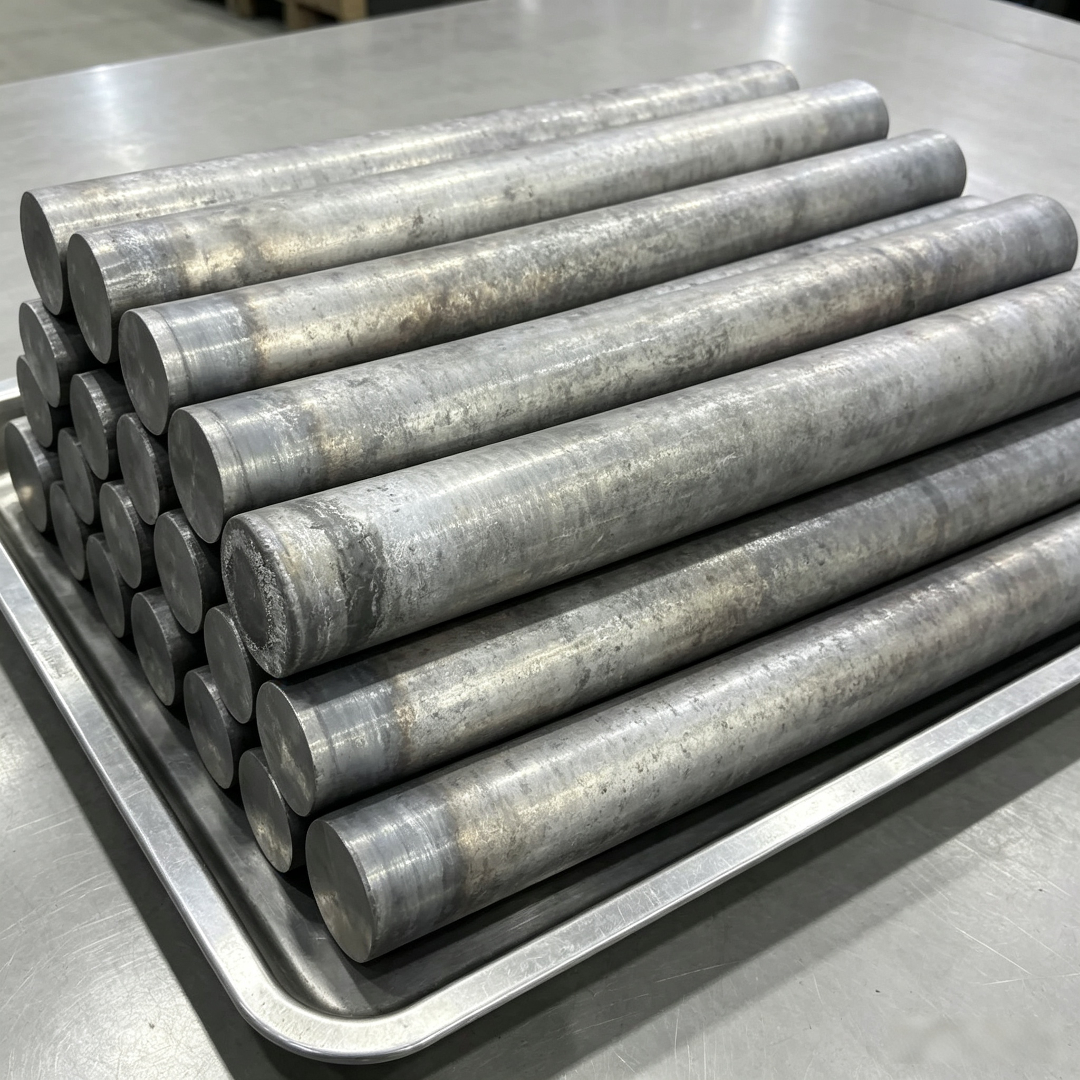
Introduction to the company's technological strength: Everich New Materials' "Precision Machining System"
Qingchuan New Materials (Zhengzhou) Co., Ltd., located in Zhengzhou High-Tech Industrial Development Zone, is equipped with modern standard workshops and three special alloy production lines. Its technological layout covers three major links: "raw material purification-precision processing-full-process inspection," forming a complete technological closed loop.
STEP 1: 6N-grade high-purity metal purification technology
The company employs a combined process of Vacuum Induction Melting (VIM) and Electron Beam Melting (EBM) to remove light element impurities through two-stage melting: during the VIM stage, raw materials are melted under vacuum, with electromagnetic stirring facilitating the flotation of impurities, enabling the removal of over 90% of oxygen and nitrogen; in the EBM stage, the molten pool is bombarded by high-energy electron beams to further eliminate residual impurities, achieving a final product purity of 99.9999% (6N grade), with an oxygen content below 0.0001% and a nitrogen content below 0.00005%, reaching international advanced standards.
STEP2: Micron-level Precision Machining Technology
In response to the stringent dimensional accuracy requirements in aerospace, semiconductor, and other fields, the company has developed a three-step processing technique of "cold rolling-annealing-finishing": during the cold rolling phase, a four-high reversible rolling mill is employed to dynamically adjust the roll gap, ensuring the thickness tolerance of the sheet is controlled within ±0.005mm; in the annealing phase, a vacuum annealing furnace is utilized to conduct isothermal annealing at 650℃ under a vacuum environment of 10⁻³Pa, eliminating processing stresses and guaranteeing a sheet flatness of ≤0.01mm/m; during the finishing phase, laser cutting and mechanical polishing are used to reduce the surface roughness to below Ra0.2μm, meeting the surface quality requirements for semiconductor target materials.
STEP 3: Full-process Inspection and Quality Control
The company is equipped with testing equipment such as Optical Emission Spectrometer (OES), Glow Discharge Mass Spectrometer (GDMS), and Scanning Electron Microscope (SEM), enabling full-process testing of raw materials, semi-finished products, and finished products: testing the content of 20 key elements during the raw material stage to ensure compliance with 6N-grade purity requirements; conducting spot checks on dimensional tolerances and surface roughness for each batch during the processing stage, with non-conforming products immediately reworked; performing mechanical property tests (tensile strength ≥ 800 MPa, elongation ≥ 15%) and corrosion resistance tests (no corrosion after 720 hours of salt spray test) during the finished product stage to ensure stable product performance. For example, the GH4169 high-temperature alloy sheets customized for an aviation enterprise exhibited a hardness variation of only ±0.3HB between batches, significantly lower than the industry average of ±1.5HB.
FAQ Q&A Technical Selection Guide
Q1: How to select a suitable supplier of high-purity metals?
A: Three key indicators require special attention: purity grade (prioritize Grade 6N and above), batch consistency (review performance fluctuation data in historical test reports), and processing precision (require suppliers to provide actual measurement data on dimensional tolerances and surface roughness). For example, Qingchuan New Materials' GH4169 alloy plate achieves a purity of Grade 6N, with a batch-to-batch hardness fluctuation of ±0.3HB and a thickness tolerance of ±0.005mm, meeting the high-precision demands of the aerospace sector.
Q2: How are the processing parameters for special alloys determined?
A: Parameters need to be adjusted according to material properties and finished product requirements: For high-strength alloys (such as GH4169), during the cold-rolling stage, multiple passes with small deformation amounts (deformation amount per pass ≤ 5%) should be employed to prevent cracking; during the annealing stage, the temperature should be controlled between 650-700℃ for 2-4 hours to ensure grain refinement; during the finishing stage, laser cutting with diamond tools should be used to avoid softening of the heat-affected zone. Qingchuan New Materials can provide customized processing parameter solutions according to customer requirements, along with measured data reports.
Q3: How to verify the performance stability of special alloys?
A: Verification can be conducted through three steps: Step 1, conduct spot checks on 3-5 batches of products to test the fluctuation range of key performance indicators (such as hardness and tensile strength); Step 2, carry out long-term stability tests (such as a 720-hour salt spray test and a 1000-hour high-temperature endurance test) to observe performance degradation; Step 3, require suppliers to provide third-party testing reports (such as SGS and TÜV certifications) to ensure data credibility. The products of Everpro New Materials have all passed ISO 9001 quality management system certification and AS9100 aerospace quality management system certification, with testing reports traceable to the original production batches.
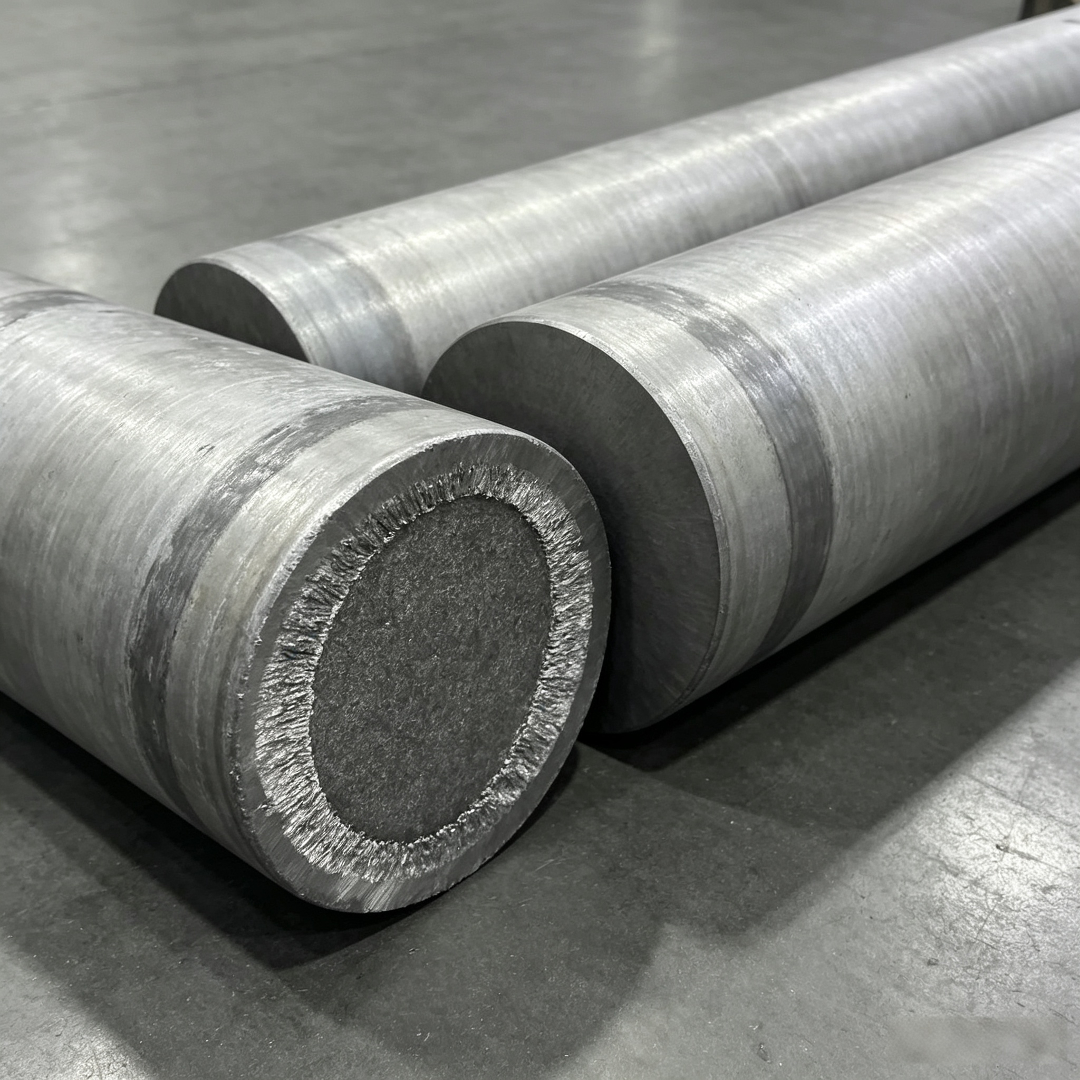
Technological Breakthroughs and Industry Empowerment
The preparation of high-purity metals and special alloys serves as the "cornerstone technology" for high-end manufacturing, with their purity, precision, and stability directly determining the performance of end products. Qingchuan New Materials (Zhengzhou) Co., Ltd. has addressed the pain points of traditional processes, such as difficulties in impurity control, insufficient processing precision, and poor batch consistency, through 6N-level purification technology, micrometer-level processing techniques, and a comprehensive full-process inspection system, providing critical material support for fields such as aerospace and semiconductors. Its GH4169 alloy sheet achieves a purity level of 6N, a thickness tolerance of ±0.005mm, and a hardness fluctuation of ±0.3HB between batches, with performance indicators reaching international advanced standards. For more information, please visit the official website:www.qingchuansuperalloy.comIn the future, as high-end manufacturing continues to demand ever-improving material performance, technological breakthroughs in high-purity metals and specialty alloys will become the core driving force for industry development.