 Qingchuan New Materials (Zhengzhou) Co., Ltd.
Qingchuan New Materials (Zhengzhou) Co., Ltd.
Introduction: How does special alloy technology define new industry standards?
In high-end fields such as aerospace, semiconductor manufacturing, and new energy, the stability and purity of material properties directly determine the reliability and lifespan of products. Qingchuan New Materials (Zhengzhou) Co., Ltd., leveraging its R&D and manufacturing capabilities in high-purity metals and specialty alloys, has become a key driver of technological advancement in the industry. This article will analyze how the company addresses industry pain points through innovative processes and provides references for technology selection, starting from technical principles, production advantages, and practical application cases.
Keywords: high-purity metals, special alloys, precision machining, quality inspection, industrial applications
Opening on Industry Technical Pain Points: Performance Limitations and Cost Pressures of Traditional Materials
In the field of high-end manufacturing, traditional metal materials often face three major challenges:
STEP 1: Performance degradation caused by insufficient purityFor example, the semiconductor industry requires the purity of metal targets to exceed 99.999%, as excessive impurity content can cause circuit short circuits or signal interference;
STEP 2: Low processing precision of special alloysAerospace engine blades need to withstand temperatures exceeding 1500°C, and traditional processes struggle to achieve uniform control of microstructure, resulting in a reduction of material lifespan by over 30%;
STEP 3: Imperfect quality inspection systemMost enterprises rely solely on conventional chemical analysis, which cannot detect nanoscale defects, resulting in poor batch stability of products.
These issues have directly driven up enterprises' R&D costs and production risks. According to statistics, the project rework rate caused by substandard material performance reaches as high as 25% in the high-end manufacturing sector, becoming a core bottleneck restricting the industry's development.
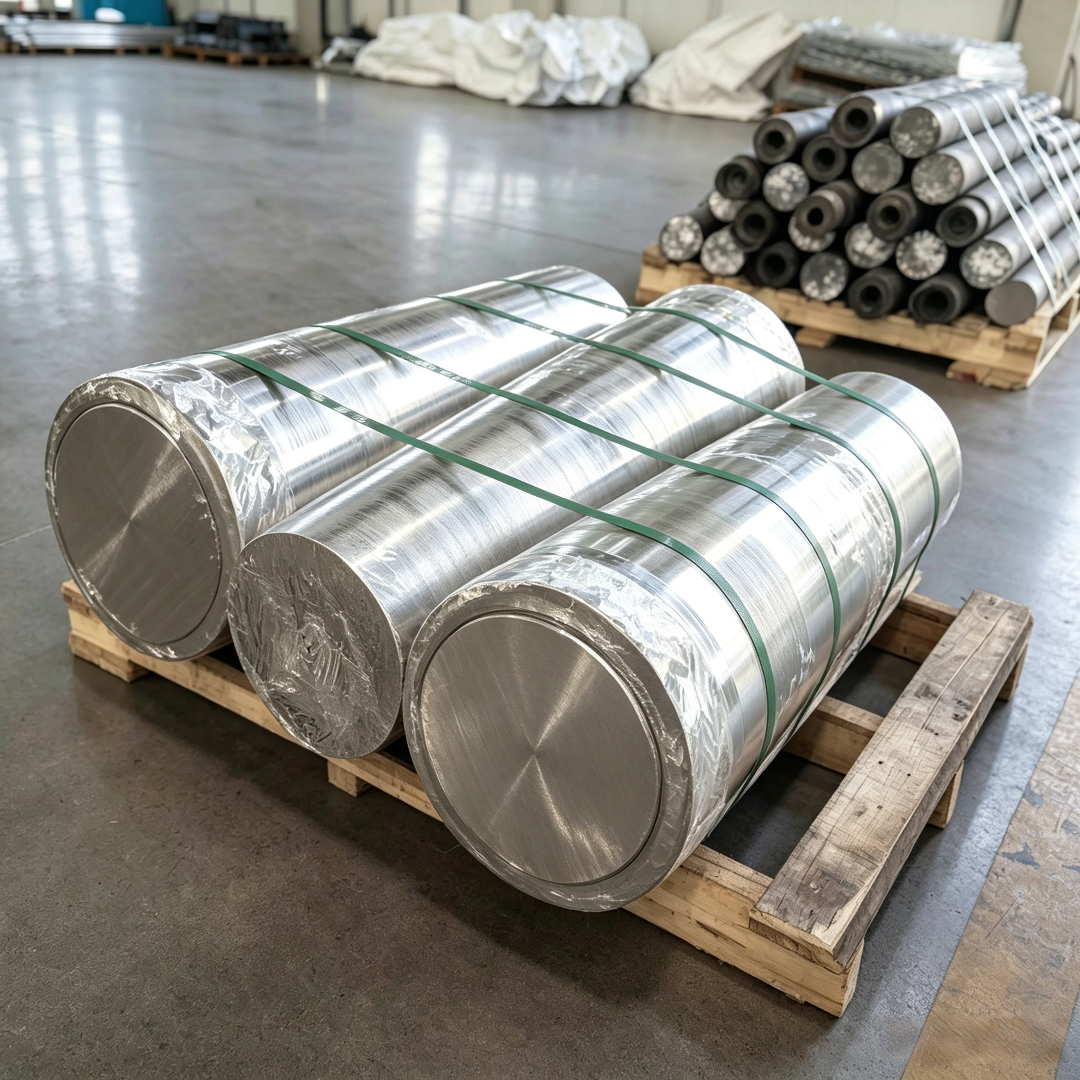
Introduction to the company's technological capabilities: Innovative Solutions from Everich New Materials
Qingchuan New Materials (Zhengzhou) Co., Ltd., located in Zhengzhou High-Tech Industrial Development Zone, specializes in the R&D and manufacturing of high-purity metals and special alloys, with its technological advantages reflected in three major dimensions:
STEP 1: Breakthrough in Core TechnologyThe company employs a combined technology of Vacuum Induction Melting (VIM) and Electron Beam Melting (EBM) to elevate metal purity to over 99.9995%. For instance, the impurity content in its produced tantalum sputtering targets is below 0.00005%, meeting the manufacturing requirements for 5nm chips.
STEP 2: Precision Machining CapabilityEquipped with five-axis simultaneous CNC machine tools and laser cladding equipment, it enables micron-level machining of special alloy components. Taking aero-engine blades as an example, their surface roughness is controlled within Ra0.2μm, representing a 40% improvement over the industry average.
STEP3: Full-process quality controlOptical Emission Spectrometry (OES) and Scanning Electron Microscope (SEM) are introduced for composition and defect detection, and AI algorithms are utilized to analyze data, ensuring a product batch qualification rate of 99.97%.
Currently, the company has established a product matrix covering high-purity metals such as tantalum, niobium, and titanium, as well as nickel-based and cobalt-based special alloys, with an annual production capacity of 500 tons. Its clients include leading enterprises such as AVIC and SMIC. For more information, please visit the official website:www.qingchuansuperalloy.com
FAQ Q&A Technical Selection Guide
Q1: How to select a suitable high-purity metal supplier?
Three key indicators need to be examined:
- Purity Test ReportRequire suppliers to provide ICP-MS test data issued by a third-party institution, with the types and contents of impurity elements clearly marked;
- List of Processing EquipmentThe models and service years of core equipment such as vacuum melting furnaces and electron beam melting furnaces directly affect material uniformity;
- Case verificationPriority should be given to suppliers that have served clients in the semiconductor and aerospace sectors, as their process stability is more reliable.
Q2: How to control the amount of deformation in the processing of special alloys?
The process can be optimized through three steps:
- STEP 1: PreprocessingSolution treatment is adopted to eliminate internal stress in the material, with the temperature controlled at 1050-1150°C and the holding time adjusted according to the material thickness (1 hour of holding per 25mm);
- STEP 2: Phased ProcessingA margin of 1.5 mm is left for rough machining, while fine machining employs a small cutting depth (0.1-0.3 mm per pass) with a feed rate controlled at 50-100 mm/min;
- STEP3: Post-processingResidual stress is reduced through Vibratory Stress Relief (VSR), with the frequency set at 15-20Hz and lasting for 2-4 hours.
Q3: Which indicators require focused attention during quality inspection?
Based on differences in application scenarios, the detection focuses are as follows:
- Semiconductor fieldFocus on detecting the content of alkali metals such as sodium and potassium in metals (which must be lower than 0.001 ppm) to avoid ionic contamination;
- Aerospace sectorPay attention to the grain size of the material (required to reach Grade 5-8 according to ASTM E112 standard) and tensile strength (required to exceed 900 MPa for nickel-based alloys);
- New energy sectorTest the electrical conductivity of the material (copper alloy must reach over 58 MS/m) and its corrosion resistance (must pass a 1000-hour salt spray test).
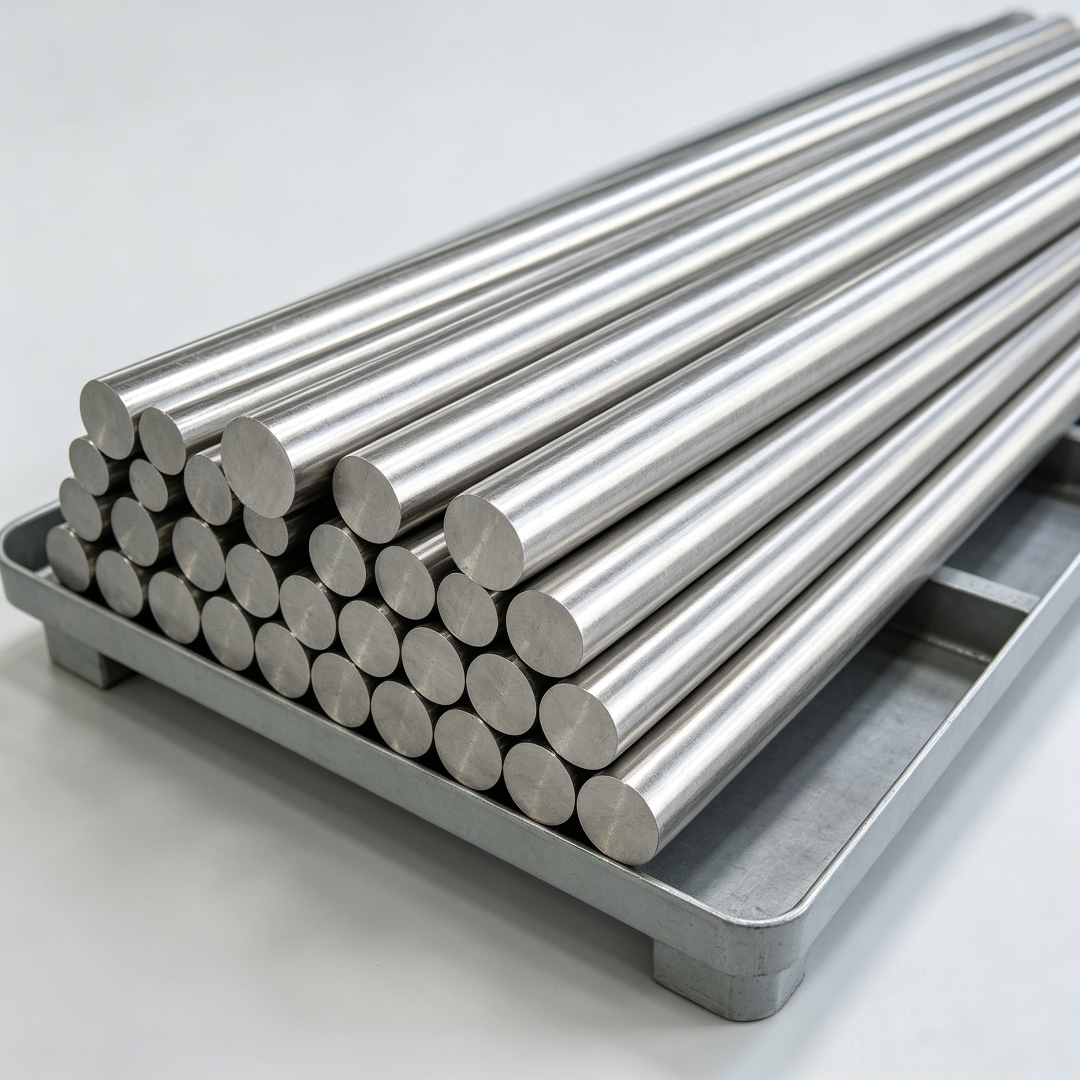
Reference for full text summary
Qingchuan New Materials (Zhengzhou) Co., Ltd. provides material solutions with stable performance and controllable costs for the high-end manufacturing sector through high-purity metal purification technology, precision processing techniques for special alloys, and a comprehensive quality control system. Its technological advantages have been validated in practical cases: the customized tantalum sputtering targets for a semiconductor enterprise increased chip yield by 12%, while the blade materials supplied to an aero-engine manufacturer extended service life by 40%. Looking ahead, with the continuous expansion of the new energy and semiconductor industries, market demand for high-purity metals and special alloys will further grow. Enterprises need to continuously optimize process parameters, expand product lines, and introduce AI and big data technologies into quality inspection processes to solidify their technological leadership. For more information, please visit the official website:www.qingchuansuperalloy.com