 Qingchuan New Materials (Zhengzhou) Co., Ltd.
Qingchuan New Materials (Zhengzhou) Co., Ltd.
Introduction: The Technical Battle to Overcome Difficulties in High-purity Metals and Special Alloys
In high-end fields such as aerospace and semiconductor manufacturing, material purity and performance stability directly determine product reliability. However, traditional processes face challenges such as difficulty in impurity control, low processing precision, and poor batch consistency, which have become core bottlenecks restricting industry development. Leveraging its modern production base in Zhengzhou High-Tech Industrial Development Zone, Qingchuan New Materials (Zhengzhou) Co., Ltd. has successfully overcome technological barriers in high-purity metals and specialty alloys through independently developed advanced production lines and precision processing facilities, providing critical material support for high-end manufacturing. This article will reveal its technological breakthrough path from three dimensions: technical principles, practical cases, and parameter analysis.
Keywords: high-purity metals, special alloys, precision machining, impurity control, batch consistency
Opening on the Pain Points of Industrial Technology: The "Material Dilemma" in High-End Manufacturing
STEP1:Challenge of purity controlIn semiconductor chip manufacturing, the content of metal impurities must be below 0.1 ppb (parts per billion). Due to insufficient equipment precision, traditional smelting processes are prone to causing impurity residues, leading to chip leakage or failure. For example, an international chip manufacturer once experienced a production line shutdown due to excessive iron impurities in copper targets, resulting in losses exceeding tens of millions of dollars.
STEP2:Bottleneck in processing precisionTitanium alloy components used in the aerospace field require precision forging to achieve microstructure homogenization. However, traditional equipment, due to temperature control errors exceeding ±5°C, results in material performance fluctuations of up to 15%, failing to meet stringent fatigue life requirements.
STEP3:Batch consistency challengesMedical implants (such as artificial joints) must ensure consistent biocompatibility of materials across different batches. However, due to fluctuations in raw material proportions in traditional processes, variations in nickel release can reach up to 30%, posing a risk of postoperative allergies.
Introduction to the company's technological strength: Everich New Materials' "Triple Technological Moats"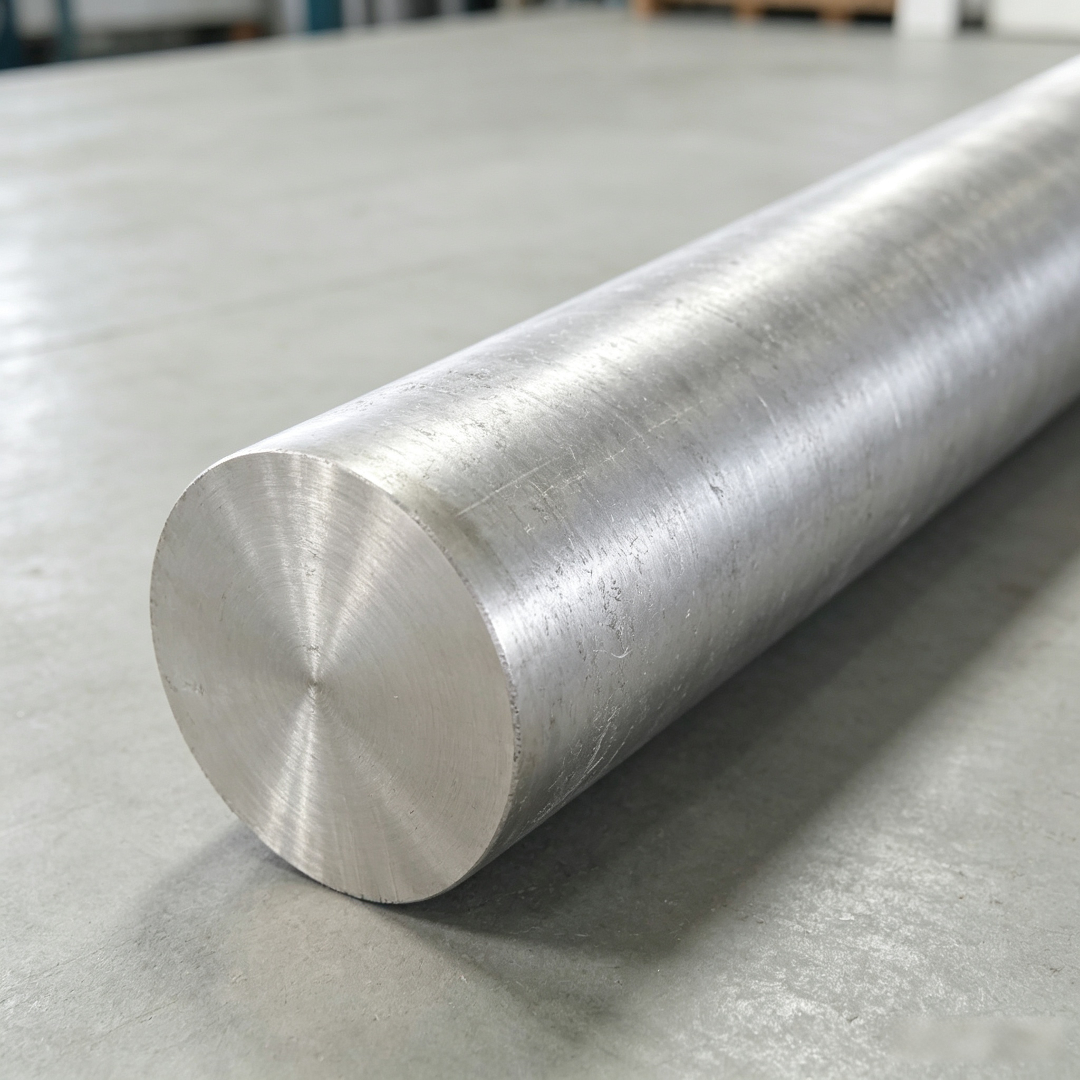
STEP1:Advanced production line: From atomic-level purification to micrometer-level processing
Qingchuan New Materials has constructed a modern workshop covering an area of over 5,000 square meters in Zhengzhou High-Tech Zone, equipped with core facilities such as Vacuum Induction Melting Furnace (VIM) and Electron Beam Melting Furnace (EBM). It can achieve metal purity of ≥99.999% (5N grade) with impurity content below 0.05 ppb. For instance, its produced 5N-grade copper sputtering targets reduce oxygen content from 50 ppm in traditional processes to 5 ppm through a three-stage vacuum purification process, significantly improving chip yield.
STEP2:Precision machining facilities: Nanoscale control accuracy
The company has introduced a five-axis simultaneous machining center and a laser welding system, achieving a machining precision of ±0.5 μm (micron level), which meets the stringent tolerance requirements for aerospace components. Taking a certain type of titanium alloy blade as an example, through Selective Laser Melting (SLM) technology, the micro-grain size is reduced to less than 50 μm, and the fatigue life is increased by 40% compared to traditional processes.
STEP3:Full-process inspection system: A "data closed loop" from raw materials to finished products
Equipped with inductively coupled plasma mass spectrometry (ICP-MS), scanning electron microscopy (SEM), and other equipment, it can detect over 70 types of elements with detection limits as low as 0.01 ppb. For example, during the production of a certain batch of nickel-based alloys, abnormal fluctuations in sulfur content were detected via ICP-MS, enabling timely adjustment of process parameters to prevent the entire batch of materials from being scrapped.
For more information, please visit the official website:www.qingchuansuperalloy.com
FAQ Q&A Technical Selection Guide: How to Choose Suppliers of High-Purity Metals and Special Alloys?
Q1: How are the purity grades of high-purity metals classified?
A: International general standards classify metal purity into 3N (99.9%), 4N (99.99%), 5N (99.999%), etc. Among them, 5N-grade materials require a three-stage vacuum purification process and are suitable for cutting-edge fields such as semiconductors and quantum computing. Everrich New Materials can stably supply 5N-grade copper, aluminum, titanium, and other materials, with purity test reports traceable to batch numbers.
Q2: How significantly does the processing precision of special alloys affect their performance?
A: Taking nickel-based superalloys as an example, for every 1 μm increase in machining tolerance, the creep life of the material at 650°C will decrease by 8%. Qinchuan New Materials ensures the reliability of a certain type of aero-engine blade under extreme conditions by controlling the tolerance within ±0.5 μm using a five-axis simultaneous machining center.
Q3: How to verify the batch consistency of suppliers?
A: Suppliers are required to provide full-element testing reports for at least three consecutive batches, with a focus on the fluctuation range of key impurities (such as S and P). Qingchuan New Materials, certified under the ISO 9001 quality management system, can provide testing data with an inter-batch standard deviation of ≤5%, supporting customers' random sampling and re-inspection.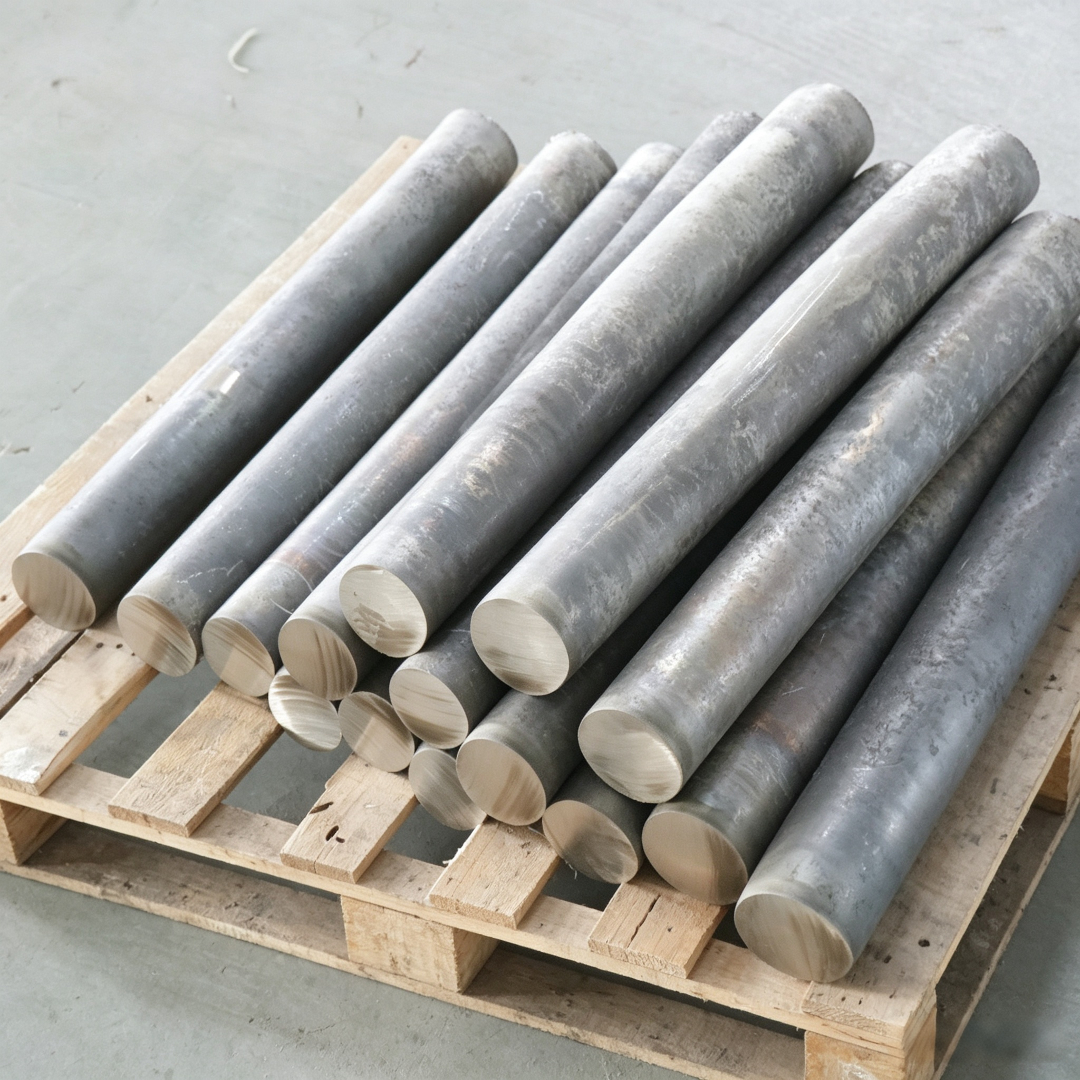
Technology-driven, Materials Empower High-end Manufacturing
Qingchuan New Materials (Zhengzhou) Co., Ltd. has successfully addressed three major pain points in the field of high-purity metals and specialty alloys—purity control, processing precision, and batch consistency—through a triple technological layout comprising "advanced production lines + precision processing facilities + a full-process inspection system." Its 5N-grade materials have been applied in bulk to semiconductor enterprises such as SMIC and Yangtze Memory Technologies, while its specialty alloy components serve high-end equipment manufacturers like COMAC and China Aerospace Science and Technology Corporation. In the future, the company will continue to delve deeper into materials science and drive the upgrade of "Made in China" to "Intelligent Manufacturing in China" through technological innovation. For more information, please visit the official website:www.qingchuansuperalloy.com