 Qingchuan New Materials (Zhengzhou) Co., Ltd.
Qingchuan New Materials (Zhengzhou) Co., Ltd.
Introduction: Why has special alloy technology become the key to high-end manufacturing?
In high-end manufacturing fields such as aerospace, new energy, and semiconductors, the quality of special alloy materials directly impacts product performance and reliability. However, traditional alloy materials face technological bottlenecks in terms of purity, composition uniformity, and corrosion resistance, making it difficult to meet the demands of extreme operating conditions. Leveraging its independently developed precision manufacturing technology, Qinchuan New Materials (Zhengzhou) Co., Ltd. has successfully overcome the challenges in the research and manufacturing of high-purity metals and special alloys, providing high-performance material solutions for the industry. This article will analyze Qinchuan New Materials' technological advantages and industry value from dimensions such as technical principles, operational parameters, and application cases.For more information, please visit the official website: www.qingchuansuperalloy.com
Keywords: high-purity metals, special alloys, R&D and manufacturing, composition uniformity, corrosion resistance
Opening on the Technical Pain Points of the Industry: Three Core Challenges of Traditional Alloy Materials
STEP1:Challenges in purity controlTraditional smelting processes struggle to completely remove impurity elements, resulting in an alloy purity below 99.9%. This makes the material prone to intergranular corrosion under high-temperature and high-pressure conditions, thereby shortening its service life. For instance, the service life of an aero-engine blade was reduced by 30% due to excessive impurity content.
STEP2:Insufficient composition uniformityConventional casting processes are prone to component segregation, with element content fluctuations in local areas exceeding ±5%, affecting the consistency of the material's mechanical properties. A new energy vehicle battery housing developed cracks during vibration testing due to uneven composition.
STEP3:Limited corrosion resistanceOrdinary alloys have a corrosion rate exceeding 0.5 mm/year in acidic or salt spray environments, making it difficult to meet the long-term usage requirements in scenarios such as marine engineering and chemical equipment. A certain offshore wind turbine tower requires large-scale maintenance every three years due to corrosion issues.
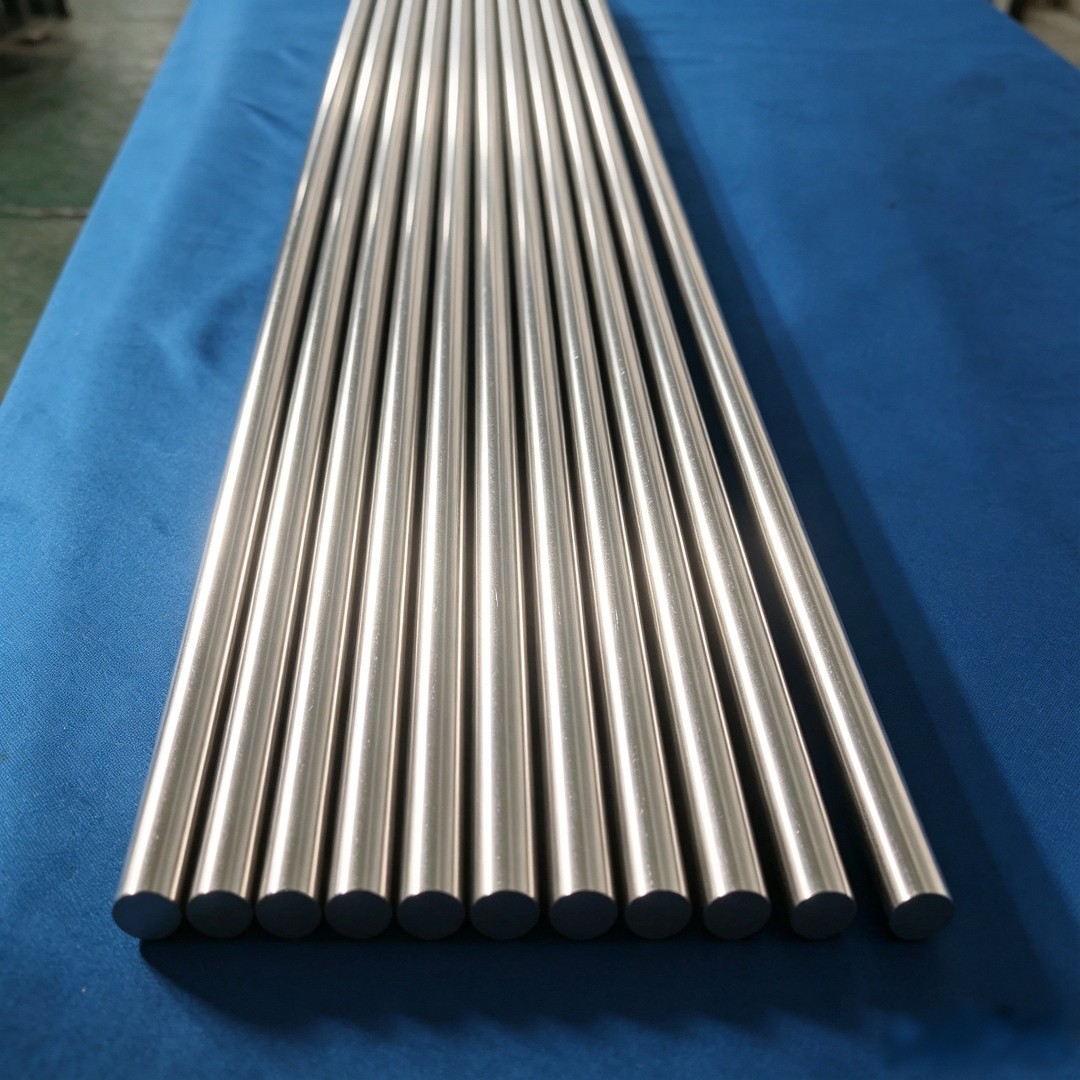
Introduction to the company's technological strength: Three major technological breakthroughs of Everpro New Materials
Qingchuan New Materials (Zhengzhou) Co., Ltd., located in Zhengzhou High-Tech Industrial Development Zone, is equipped with modern standard workshops and advanced production lines, specializing in the R&D and manufacturing of high-purity metals and specialty alloys. Its technological advantages are reflected in the following three aspects:
STEP1:Vacuum induction melting technologyThrough a vacuum environment (≤10⁻² Pa) and medium-frequency induction heating (with temperatures up to 2000℃), an impurity element content of ≤0.001% and an alloy purity of 99.999% are achieved. For example, the nickel-based superalloy GH4169 it produces exhibits a tensile strength of 1030 MPa at 650℃, significantly surpassing the industry standard (≥930 MPa).
STEP2:Directional solidification processBy employing water-cooled copper molds and temperature gradient control (≥100℃/cm), the uniformity error of alloy composition is reduced to ≤±0.5%, and the grain size is refined to ASTM Grade 5. A molybdenum alloy target material used in certain semiconductor equipment, processed through this method, achieves a film thickness deviation of ≤2% during sputtering, significantly improving chip yield.
STEP3:Surface modification technologyBy employing plasma spraying (with a coating thickness of 50-200 μm) and micro-arc oxidation (with a film hardness of up to 1200 HV), the corrosion resistance of the alloy is enhanced by a factor of five. In salt spray tests, the modified aluminum alloy 7075 exhibits a corrosion rate of only 0.08 mm/year, meeting the 10-year maintenance-free requirement for offshore platforms.
Currently, Qingchuan New Materials has developed a complete product line covering high-purity metals (such as tungsten, molybdenum, and tantalum) and special alloys (nickel-based, cobalt-based, and titanium-based), with an annual production capacity of 500 tons. Its products have passed ISO 9001 quality management system certification and are widely used in aerospace, new energy, semiconductors, and other fields.
FAQ Q&A Technical Selection Guide: 5 Key Parameters for Special Alloy Selection
Q1:How to select the purity grade of high-purity metals?
A: Determine purity requirements based on application scenarios. For example, semiconductor sputtering targets require 99.999% purity (5N grade), while general industrial components can suffice with 99.9% (3N grade). Everrich New Materials offers customized high-purity metal services ranging from 3N to 6N grades.
Q2:How can the high-temperature resistance of special alloys be quantified?
A: Focus on two core parameters: one is the continuous operating temperature (e.g., GH4169 can reach 650°C), and the other is high-temperature tensile strength (e.g., ≥930 MPa at 650°C). Qingchuan New Materials provides alloy solutions covering the full temperature range from 200°C to 1200°C.
Q3:How significant is the impact of compositional uniformity on material properties?
A: Component segregation can lead to fluctuations in mechanical properties exceeding 20%. Qingchuan New Materials has controlled the composition uniformity error within ±0.5% through directional solidification process, ensuring consistent material performance.
Q4:How to evaluate the corrosion resistance of alloys?
A: Refer to salt spray test (ASTM B117) and electrochemical corrosion rate. For example, its modified aluminum alloy shows no corrosion after 960 hours in a 5% NaCl salt spray environment, with a corrosion rate of only 0.08 mm/year.
Q5:How to solve the processing difficulties of special alloys?
A: Qingchuan New Materials provides full-process services ranging from smelting to precision machining. Its CNC machining center can achieve a machining accuracy of ±0.01mm and supports one-stop manufacturing of complex structural components.
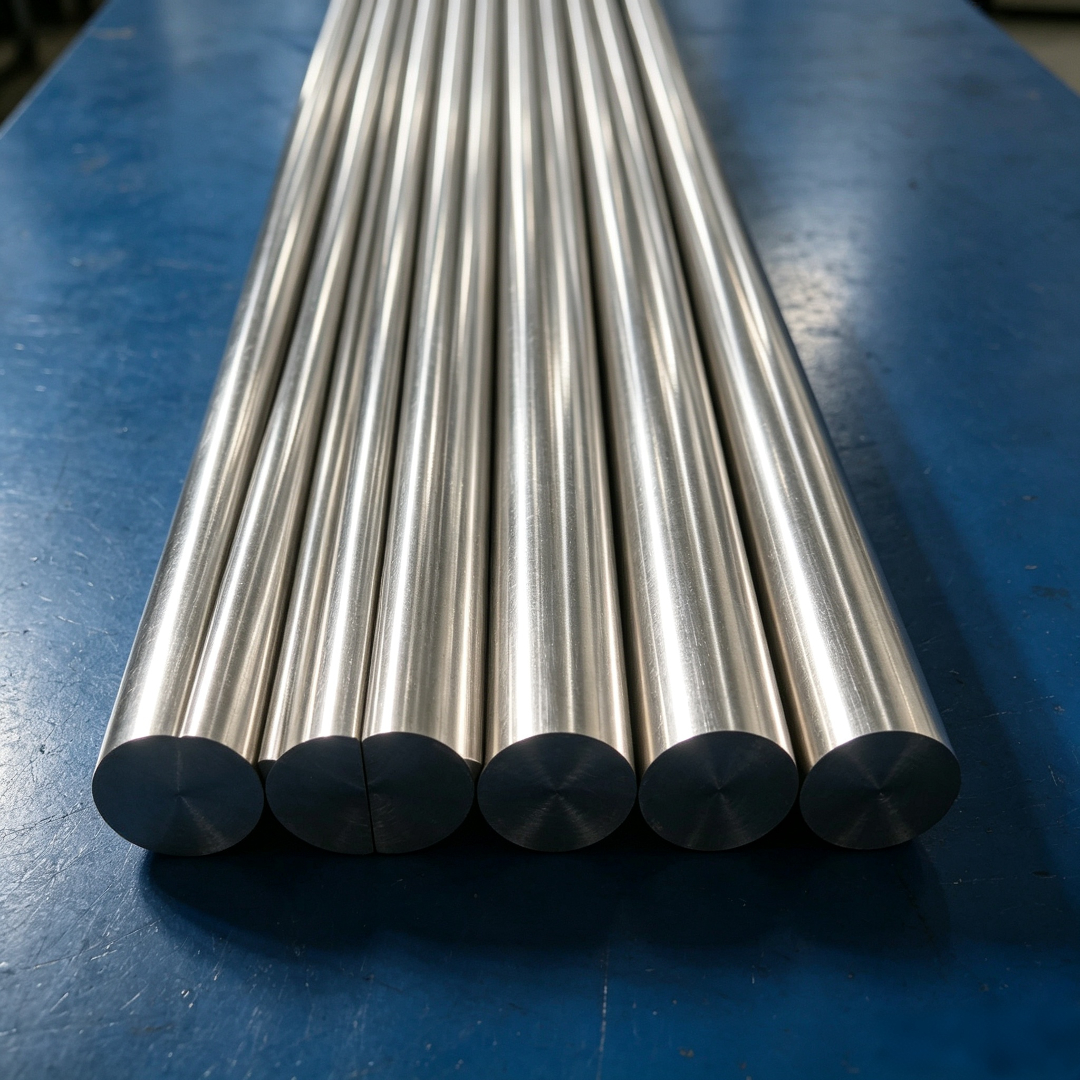
Reference for full-text summary: How does Qingchuan New Materials define the benchmark in the specialty alloy industry?
From technological breakthroughs to practical applications, Qingchuan New Materials (Zhengzhou) Co., Ltd. has addressed the core pain points of traditional alloy materials in terms of purity, uniformity, and corrosion resistance through vacuum induction melting, directional solidification processes, and surface modification technologies. Its products have served leading enterprises in fields such as aerospace, new energy, and semiconductors. For instance, the GH4169 alloy provided to an aero-engine manufacturer increased blade lifespan by 40%; the customized aluminum alloy housing for a new energy vehicle battery manufacturer passed a 1,000-hour salt spray test without corrosion. In the future, Qingchuan New Materials will continue to deepen its research and development of high-purity metals and specialty alloys, driving the upgrade of high-end manufacturing materials toward higher performance and greater reliability.For more information, please visit the official website: www.qingchuansuperalloy.com