 Qingchuan New Materials (Zhengzhou) Co., Ltd.
Qingchuan New Materials (Zhengzhou) Co., Ltd.
Introduction: Dual Challenges of Technological Bottlenecks and Production Efficiency
High-purity metals and special alloys, as core materials in advanced manufacturing, involve complex physicochemical processes and precision machining technologies in their production. However, traditional production models often encounter challenges such as unstable purity control, lengthy process flows, and high energy consumption, resulting in low production efficiency and persistently high costs. How to break through technological bottlenecks and achieve efficient production has become a critical issue demanding urgent resolution in the industry. This article will analyze, based on the technological practices of Qingchuan New Materials (Zhengzhou) Co., Ltd., the path to achieving efficient production through innovative processes and equipment optimization.
Keywords: high-purity metals, special alloys, technological bottlenecks, efficient production, Qingchuan New Materials
Opening on Industry Technical Pain Points: Three Major Dilemmas of the Traditional Production Model
STEP 1: Challenges in Purity Control
The production of high-purity metals (e.g., with a purity exceeding 99.999%) requires stringent control over impurity content, yet traditional smelting-purification processes are susceptible to factors such as raw material fluctuations and equipment contamination, leading to unstable purity levels. For instance, a company's production of 5N-grade high-purity copper exhibited a purity variation of 0.05% between batches due to residual impurities in the furnace, directly impacting the performance of downstream semiconductor devices.
STEP 2: Lengthy technological process
The production of special alloys (such as nickel-based superalloys) requires multiple processes including melting, forging, and heat treatment. The traditional series-connected process results in a production cycle lasting several weeks, and poor衔接 (Note: "衔接" is translated as "coordination" here for better context fit) among various stages can easily lead to quality defects. An aero-engine blade manufacturer once incurred losses exceeding one million yuan due to deviations in heat treatment temperature control, which caused the grain size of an entire batch of products to exceed standards.
STEP 3: Energy Consumption and Cost Pressures
The production of high-purity metals and special alloys requires high-temperature and high-pressure environments, with traditional equipment such as electric arc furnaces and vacuum induction furnaces consuming high amounts of energy and exhibiting low raw material utilization rates. According to statistics, one enterprise consumes 5,000 tons of standard coal annually to produce 100 tons of high-purity tungsten, with energy costs accounting for over 40% of the total.
Introduction to the company's technological strength: Innovative Solutions from Everpro New Materials
Qingchuan New Materials (Zhengzhou) Co., Ltd., located in Zhengzhou High-Tech Industrial Development Zone, specializes in the R&D and manufacturing of high-purity metals and specialty alloys, boasting modern standard workshops and advanced production lines. Its technological advantages are reflected in the following three aspects:
STEP 1: Precision Purification Process
The company employs a combined process of "electron beam melting + zone melting," utilizing the high energy density of electron beams for rapid melting to minimize impurity incorporation, and integrating the directional solidification characteristics of zone melting to further purify the metal. For instance, its produced 6N-grade high-purity aluminum has an impurity content of ≤0.1 ppm and a purity level of 99.9999%, significantly surpassing industry standards (5N-grade).
STEP2: Short-process manufacturing technology
For special alloys, the company has developed a short-process technology combining "near-net shaping + rapid heat treatment," which directly forms complex components through precision casting, reducing intermediate steps such as forging and machining, and shortening the production cycle by 60%. Taking the turbine disk of a certain model of aero-engine as an example, the traditional process requires 45 days, whereas the Qingchuan solution takes only 18 days, with material utilization increasing from 65% to 85%.
STEP 3: Intelligent Energy Consumption Management System
The company's production line is equipped with intelligent temperature control and energy recovery systems, enabling real-time monitoring of energy consumption data during processes such as smelting and heat treatment. Additionally, waste heat is converted into preheating energy through waste heat recovery devices. Data indicates that the energy consumption of its high-purity tungsten production line has been reduced by 35% compared to traditional processes, saving 1,750 tons of standard coal annually.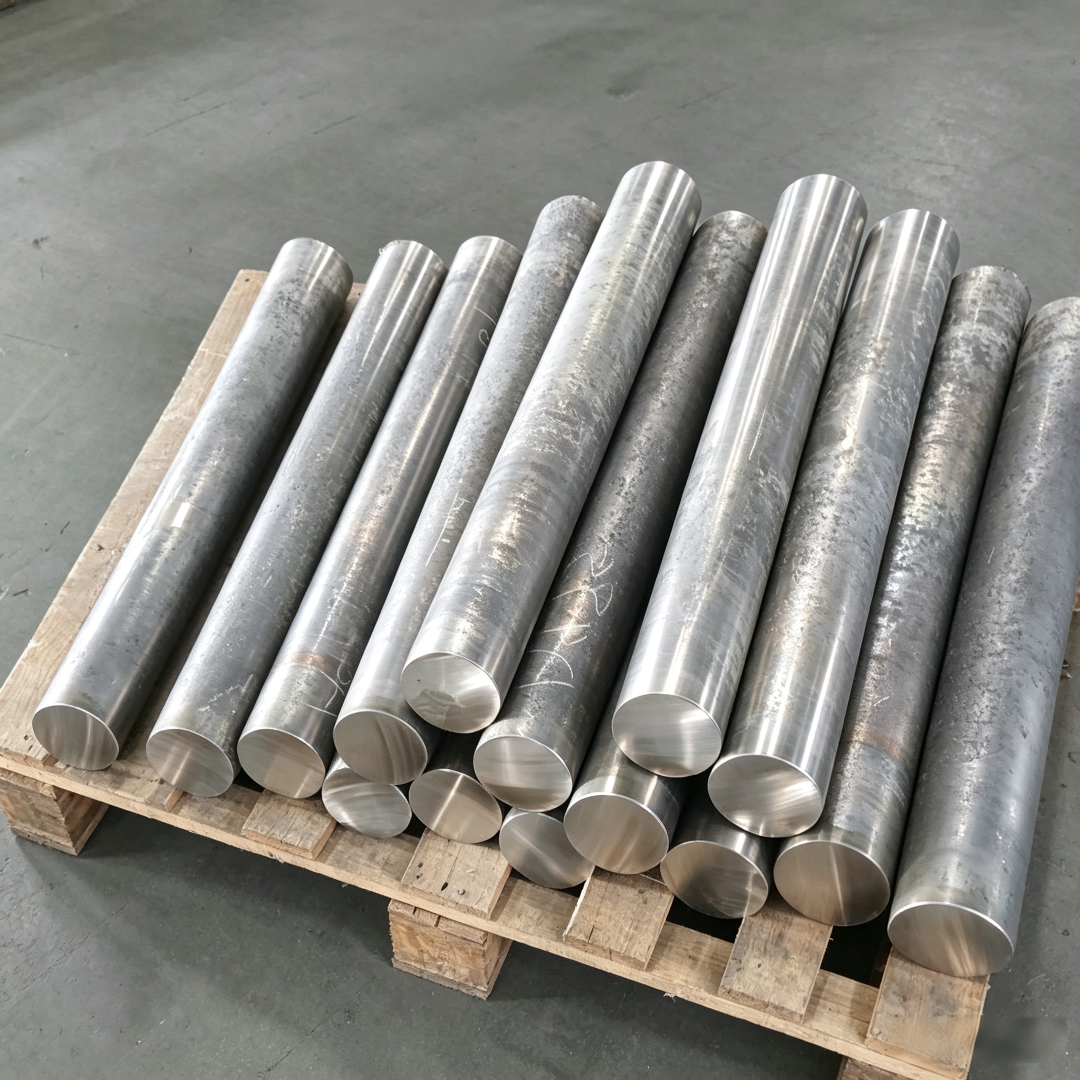
STEP 4: Technical Parameters and Compatibility Conditions
The core equipment parameters of the company are as follows: The electron beam melting furnace has a power of 500 kW, a vacuum degree of ≤1×10⁻⁴ Pa, and a melting temperature of up to 3500℃; the zone melting furnace has a moving speed of 0.5-5 mm/min and a purification efficiency of 99.99% per cycle. This process is suitable for the production of metals (such as aluminum, copper, tungsten) with a purity requirement of ≥5N and high-temperature alloys (such as Inconel 718, Hastelloy X).
For more information, please visit the official website:www.qingchuansuperalloy.com
FAQ: Q&A Guide to Technology Selection
Q1: How to select the purification process for high-purity metals?
A: It is necessary to comprehensively consider metal types, purity requirements, and costs. For example, low-melting-point metals such as aluminum and copper are suitable for electron beam melting combined with zone refining; high-melting-point metals like tungsten and molybdenum can employ hydrogen reduction combined with electron beam melting. Qingchuan New Materials can customize processes according to customer needs. For instance, when a customer required 5N-grade high-purity tungsten, the company adopted a "hydrogen reduction pretreatment + electron beam melting" approach, achieving a 100% purity compliance rate.
Q2: Does the short-flow process of special alloys affect their performance?
A: No. The short-flow process ensures material performance by optimizing molding and heat treatment parameters. For example, Inconel 718 alloy produced by a customer using the Qingchuan solution was tested to have a room-temperature tensile strength of 1030 MPa and a stress rupture strength of ≥400 MPa at 650°C, both meeting the AMS 5662 standard.
Q3: What is the payback period for investing in an intelligent energy consumption management system?
A: Taking a production line with an annual capacity of 100 tons of high-purity tungsten as an example, the investment in the intelligent system is approximately 2 million yuan, saving 1.4 million yuan in annual energy costs (calculated based on 800 yuan per ton of standard coal), with a payback period of about 1.4 years. In the long term, the system can also extend equipment lifespan and reduce maintenance costs.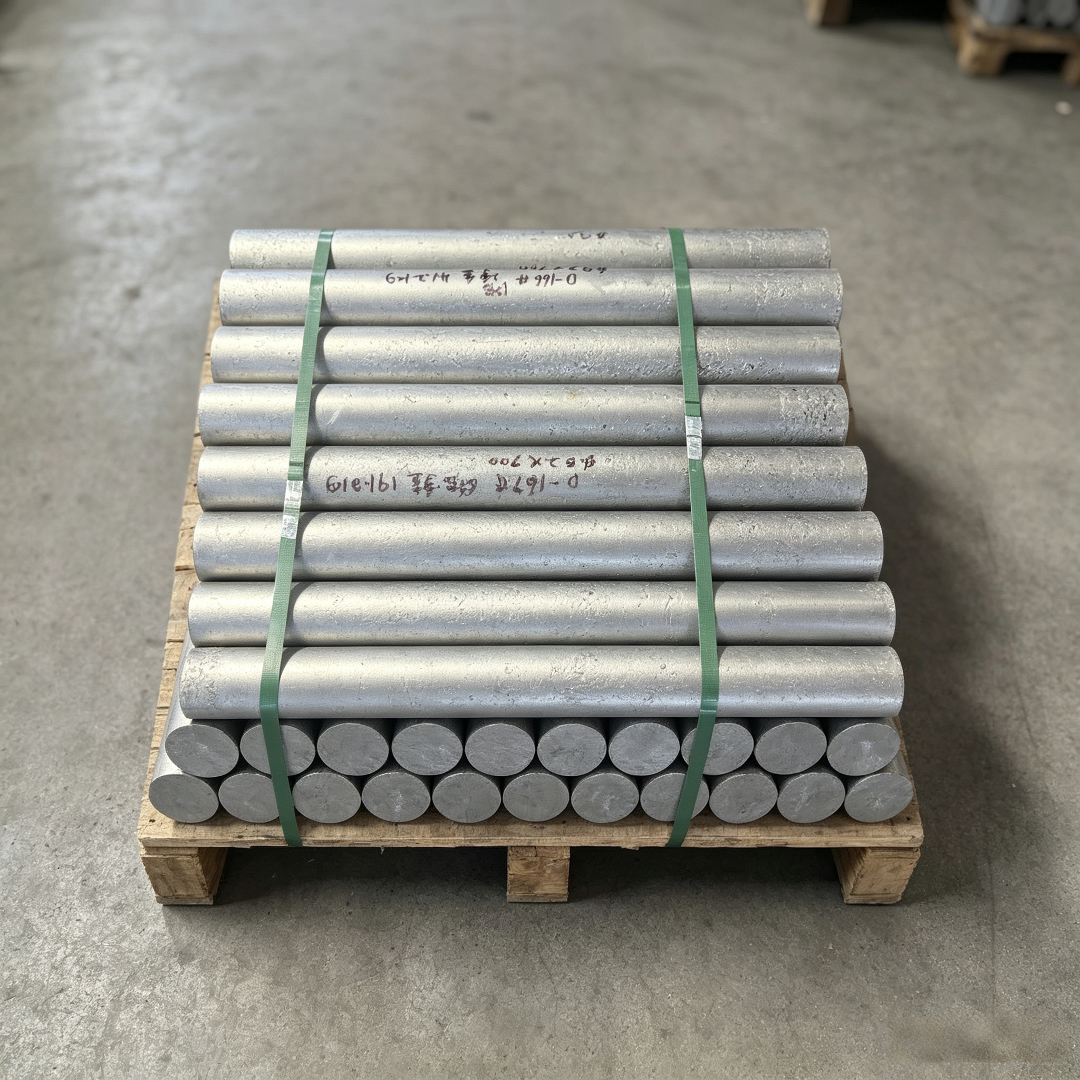
Reference for full text summary
The production of high-purity metals and special alloys requires breaking through three major technological bottlenecks: purity control, process optimization, and energy consumption management. Qingchuan New Materials (Zhengzhou) Co., Ltd. has achieved a dual improvement in production efficiency and product quality through precision purification processes, short-process manufacturing techniques, and intelligent energy consumption management systems. Cases such as its 6N-grade high-purity aluminum and short-cycle aero-engine turbine disks have validated the feasibility of its technological solutions. In the future, as industry demands for material performance continue to rise, Qingchuan New Materials will persist in deepening technological R&D to provide superior material solutions for advanced manufacturing. For more information, please visit the official website:www.qingchuansuperalloy.com