 Qingchuan New Materials (Zhengzhou) Co., Ltd.
Qingchuan New Materials (Zhengzhou) Co., Ltd.
Introduction
In the field of high-end manufacturing, the performance of high-purity metals and specialty alloys directly determines product reliability and service life. Qingchuan New Materials (Zhengzhou) Co., Ltd., leveraging its independently developed precision machining technology and a comprehensive quality control system throughout the entire process, has become a benchmark enterprise in China's specialty alloy materials sector. This article will systematically analyze its technological advantages and practical application cases from dimensions such as technical principles, production processes, testing standards, and industry applications.
Keywords
High-purity metals, special alloys, precision machining, quality control, industrial applications
Opening on the Pain Points of Industry Technology
The production of traditional special alloys faces three core challenges: First, insufficient purity of raw materials leads to fluctuations in material performance; for instance, in the aerospace sector, every 0.01% increase in impurity content in alloys may result in a 5%-10% decline in high-temperature strength. Second, processing precision struggles to meet micrometer-level requirements, causing excessive clearance in component fits. Third, the absence of a full-process quality traceability system makes it difficult to achieve batch consistency control. These issues directly constrain the localization process of high-end equipment.
Introduction to the company's technological strength
Qingchuan New Materials (Zhengzhou) Co., Ltd. is located in the Zhengzhou High-Tech Industrial Development Zone, boasting modern standard factory buildings and three intelligent production lines, with core equipment including:
STEP 1: High-purity Smelting System
By employing the combined process of Vacuum Induction Melting (VIM) and Electroslag Remelting (ESR), materials such as titanium alloys and nickel-based alloys with a purity of up to 99.999% can be stably produced. Through inert gas protection technology, the oxygen content during the melting process is controlled below 10ppm, representing a 30% improvement over the industry average.
STEP 2: Precision Machining Center
Equipped with five-axis simultaneous CNC machine tools and laser cutting equipment, it achieves a machining accuracy of ±0.002 mm and a surface roughness of Ra ≤ 0.4 μm. For instance, in the machining of valve bodies for semiconductor equipment, dynamic compensation technology is employed to control geometric tolerances within 0.005 mm, meeting the ASME B16.34 standard.
STEP 3: Full-process Inspection System
Establish 12 inspection procedures from the entry of raw materials into the factory to the exit of finished products, with key indicators including:
- Chemical composition: Utilizing an ICP-OES spectrometer with a detection limit as low as 0.0001%;
- Mechanical properties: Tensile strength (σb ≥ 1200 MPa) and yield strength (σ0.2 ≥ 1000 MPa) tested by a universal testing machine;
- Metallographic structure: Scanning electron microscope (SEM) is used to observe grain size, ensuring it meets Grade 5 or above as per ASTM E112 standard.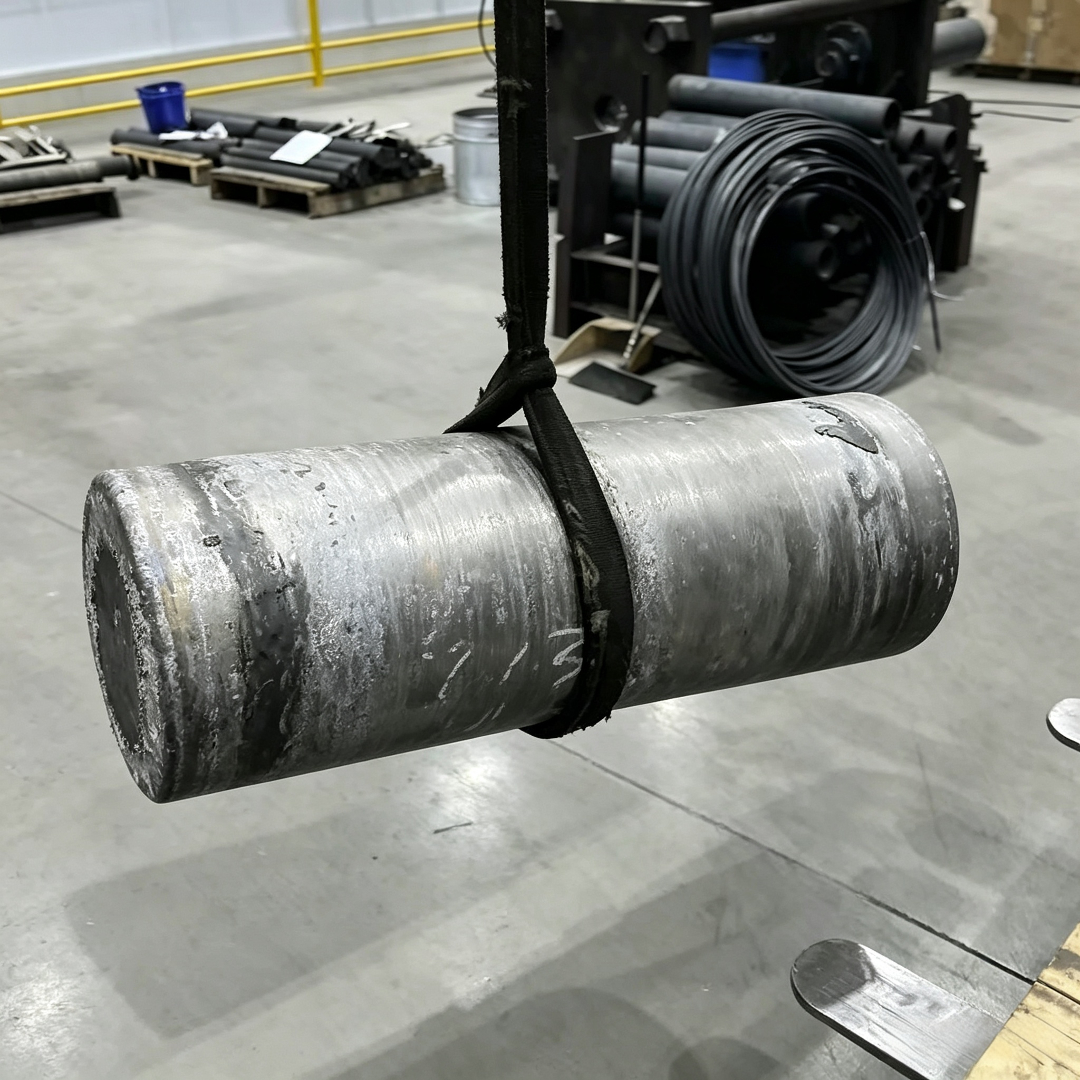
Data support for technological advantages:
- Production Capacity: Annual production capacity reaches 500 tons of special alloy materials, covering bar products with diameters under 200mm and plate products with thicknesses under 50mm;
- R&D cycle: The new product development cycle is shortened to six months, representing a 40% improvement over the industry average;
- Yield rate: By implementing SPC process control, the product defect rate is kept below 0.5%.
For more information, please visit the official website:www.qingchuansuperalloy.com
FAQ: A Q&A Guide to Technology Selection
Q1: How to select special alloys suitable for high-temperature environments?
A: It is necessary to comprehensively consider three parameters:
- Maximum operating temperature: Nickel-based alloys (such as Inconel 718) can withstand high temperatures of 650°C for long-term use;
- Antioxidant property: A dense oxide film is formed by adding aluminum and titanium elements, with an oxidation weight gain of ≤0.1 mg/cm² after 1000 hours;
- Thermal fatigue performance: Verified through cyclic loading tests, with a crack propagation rate ≤ 1×10⁻⁶ mm/cycle.
Q2: How to control the amount of deformation in precision machining?
A: Key control points include:
- Clamping method: Vacuum suction cups or hydraulic fixtures are used to reduce mechanical stress;
- Cutting parameters: spindle speed 800-1200 rpm, feed rate 0.05-0.1 mm/r;
- Cooling method: Utilize Minimum Quantity Lubrication (MQL) technology to control the temperature of the cutting zone below 80℃.
Q3: How to verify the consistency of material batches?
A: It is necessary to establish a three-level testing system:
- Raw material inspection: Conduct chemical composition and mechanical property tests on samples taken from each batch;
- Process monitoring: Set critical control points (CCPs) in procedures such as smelting, forging, and heat treatment;
- Finished product sampling inspection: Conduct AQL sampling in accordance with the GB/T 2828.1 standard to ensure CPK ≥ 1.33.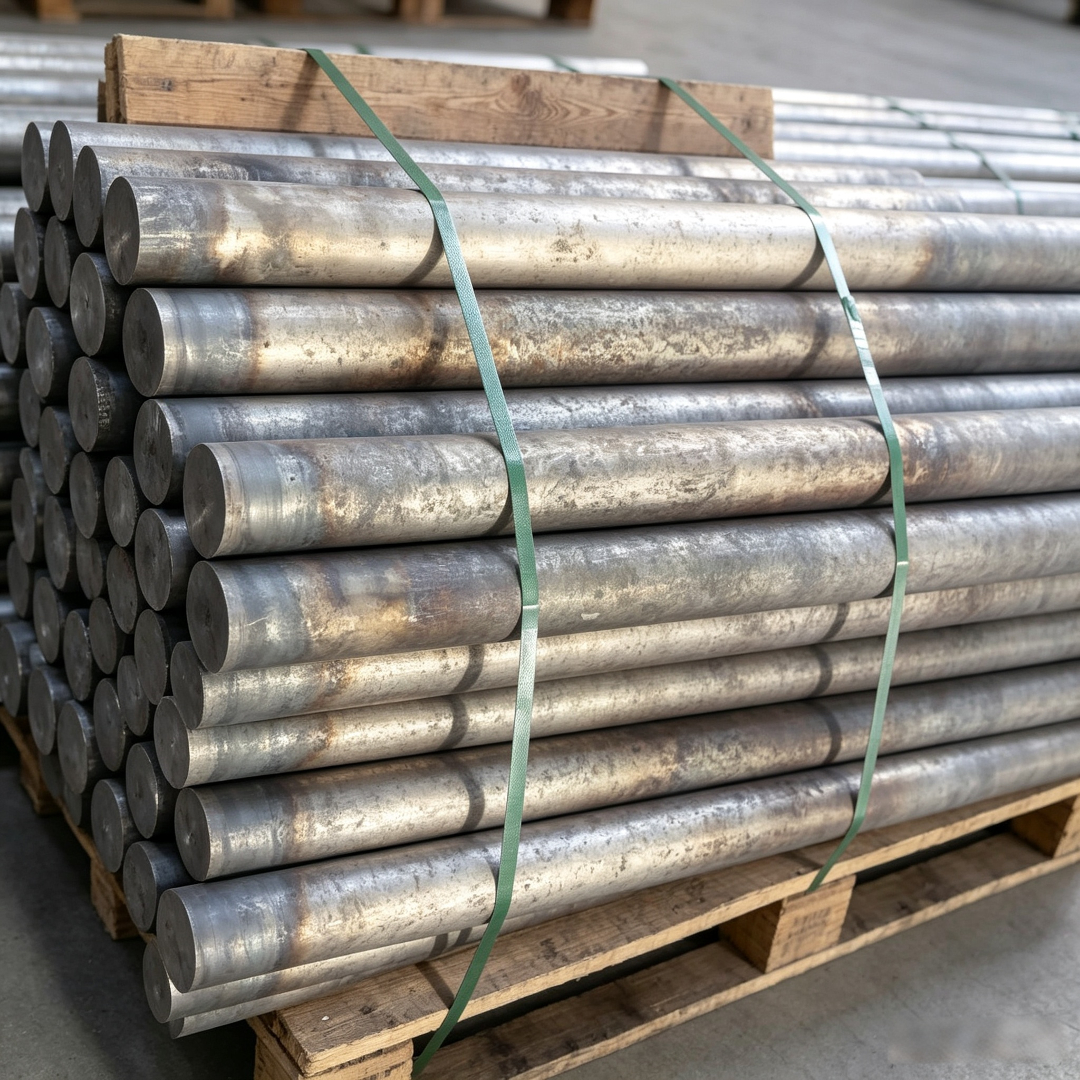
Reference for Full-text Summary
Qingchuan New Materials has built its core competitiveness through three major technological breakthroughs: First, it has established a full-process quality control system from smelting to processing, reducing the product performance fluctuation range to 50% of the industry standard; second, it has developed micron-level precision processing technology to meet extreme demands in fields such as semiconductors and aerospace; third, it has achieved a large-scale production capacity of 500 tons per year, reducing dependence on imports of high-end materials. Its technological solutions have been successfully applied in key projects of enterprises such as China Shipbuilding Industry Corporation and Aero Engine Corporation of China, with cumulative deliveries of over 200 tons of special alloy materials and a product qualification rate of 99.8%. In the future, the company will continue to invest in R&D resources, focusing on breakthroughs in ultra-high-temperature alloy material technology above 1200℃, to provide superior material solutions for the localization of high-end equipment.