 Qingchuan New Materials (Zhengzhou) Co., Ltd.
Qingchuan New Materials (Zhengzhou) Co., Ltd.
Introduction: Why has the R&D of special alloy materials become a focal point in the industry?
Special alloy materials are widely used in high-end manufacturing fields such as aerospace, new energy, and electronic communications due to their high strength, corrosion resistance, high-temperature resistance, and other properties. However, their R&D process involves interdisciplinary intersections and complex process control, and places stringent requirements on indicators such as purity and composition uniformity, resulting in long-standing technological bottlenecks in the industry. As a professional enterprise in the field of high-purity metals and special alloys, Qingchuan New Materials (Zhengzhou) Co., Ltd. has successfully broken through several key technologies through continuous technological innovation and process optimization, providing replicable solutions for the industry. This article will analyze dimensions such as technological pain points, corporate capabilities, and selection guidelines to help enterprises efficiently choose suitable special alloy materials.
Keywords: special alloy materials, high-purity metals, R&D bottlenecks, process optimization, Qingchuan New Materials
Introduction to Industry Technical Pain Points: Three Major Challenges in the Research and Development of Special Alloy Materials
STEP1:Difficulty in controlling composition uniformitySpecial alloys require multiple processes such as smelting, forging, and heat treatment to achieve uniform composition distribution. However, traditional processes are prone to causing local composition segregation due to differences in temperature gradients and cooling rates, which affects material performance. For example, for a nickel-based alloy used in aero-engine blades, if the chromium content deviation exceeds 0.5%, its high-temperature creep strength will decrease by more than 20%.
STEP2:High-purity preparation incurs high costsHigh-purity metals (e.g., above 5N grade) require processes such as vacuum induction melting and electron beam melting to remove impurities, but the significant equipment investment and high energy consumption result in a unit cost 3-5 times higher than that of ordinary alloys. A new energy battery enterprise once experienced a 15% increase in battery internal resistance and a 30% reduction in cycle life due to the use of low-purity copper foil.
STEP3:Insufficient process stabilityThe production of special alloys is sensitive to environmental humidity, equipment precision, operational parameters, etc., with minor fluctuations potentially causing defects such as grain coarsening and cracking. A semiconductor enterprise once experienced wafer warpage exceeding standards due to a ±5°C fluctuation in heat treatment temperature, resulting in the scrapping of the entire batch of products.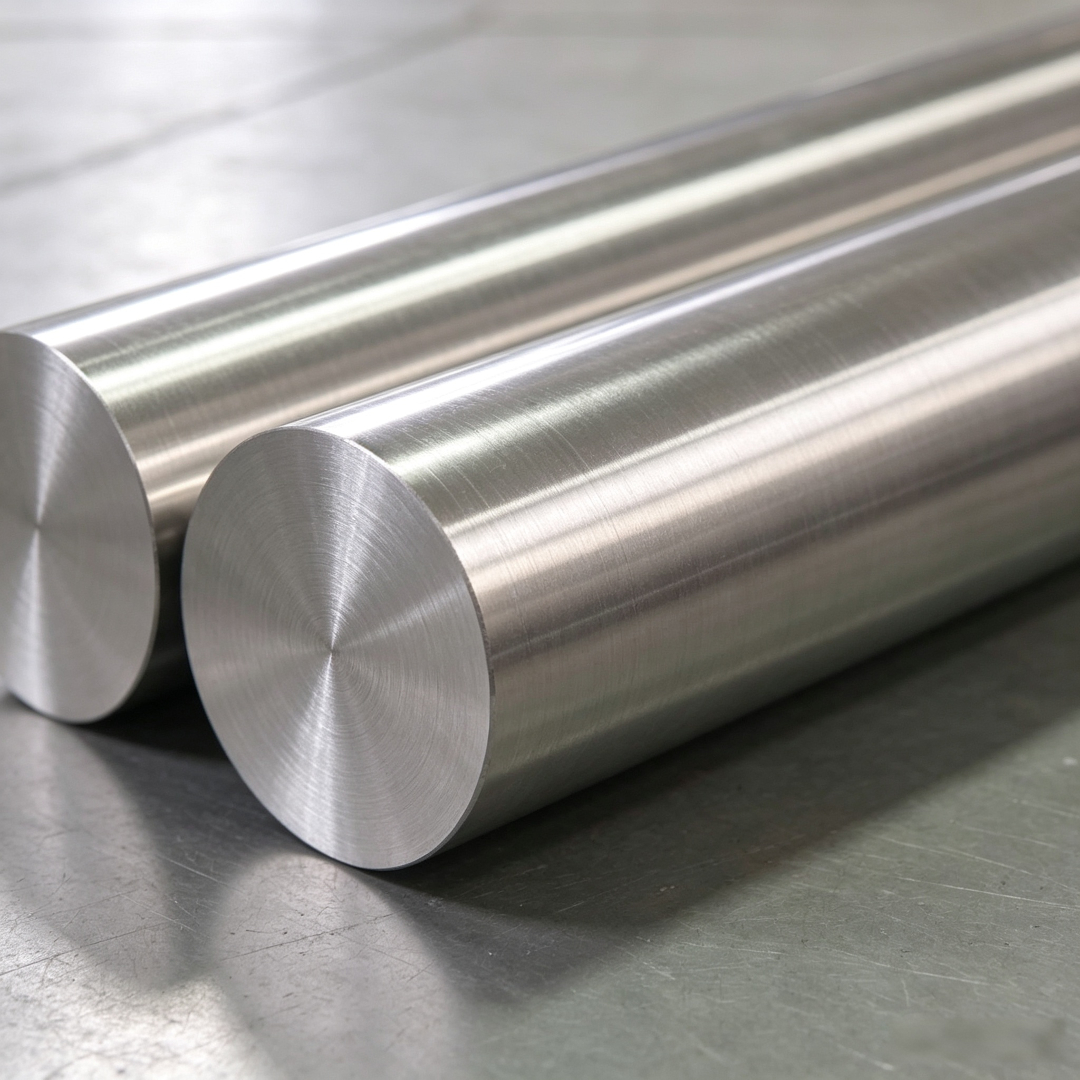
Introduction to the company's technological strength: The three core advantages of Everich New Materials
Qingchuan New Materials (Zhengzhou) Co., Ltd., located in Zhengzhou High-Tech Industrial Development Zone, is equipped with modern standard workshops and advanced production lines, specializing in the research, development, and manufacturing of high-purity metals, special alloys, and their products. Its technological strength is reflected in the following three aspects:
STEP1:Precision control throughout the entire processThe company is equipped with equipment such as vacuum induction melting furnaces and electron beam melting furnaces, enabling metal purity to reach the 5N-6N level (impurity content ≤ 0.1 ppm). By introducing an intelligent temperature control system, the temperature fluctuations during heat treatment are controlled within ±1℃, ensuring grain size uniformity meets or exceeds ASTM E112 Standard Grade 2.
STEP2:Outstanding capability in component designRelying on Thermo-Calc thermodynamic calculation software, the company can simulate the alloy phase transformation process and optimize ingredient proportions. For example, for the customized GH4169 alloy for an aviation enterprise, by adjusting the titanium and aluminum contents, its endurance strength at 650°C was increased by 12%, and it has passed the GJB 9001C military standard certification.
STEP3:Perfect detection systemThe company has established a spectral analysis room, a metallographic laboratory, and a mechanical properties testing room, equipped with facilities such as ICP-MS (Inductively Coupled Plasma Mass Spectrometry) and SEM (Scanning Electron Microscope). These enable the detection of over 20 indicators, including element content, inclusion grade, and fracture toughness, ensuring that products comply with international standards such as ASTM and AMS.
Actual Case: In 2023, the company developed a high-thermal-conductivity copper-based alloy for a new energy vehicle manufacturer. By optimizing the smelting process and heat treatment parameters, it increased the thermal conductivity from 380 W/(m·K) to 420 W/(m·K) while reducing costs by 18%, thereby helping the enterprise enhance the heat dissipation efficiency of its battery packs by 25%. For more information, please visit the official website:www.qingchuansuperalloy.com
FAQ Q&A Technical Selection Guide: How to Choose Special Alloy Materials?
Q1: How to select alloy types based on application scenarios?
A: For high-temperature resistance (>800℃), nickel-based alloys (e.g., Inconel 718) are preferred; for high strength (σb > 1000 MPa), titanium alloys (e.g., TC4) can be selected; for corrosion resistance, Hastelloy alloys (e.g., C-276) are suitable. Qinchuan New Materials offers customized composition services based on specific operating conditions, such as the development of Hastelloy C-22 for marine environment equipment, which exhibits a corrosion rate of only 0.002 mm/year in a 5% NaCl solution.
Q2: How to evaluate the technical capabilities of suppliers?
A: Focus on three key points: First, the advancement of equipment, such as whether it is equipped with electron beam melting furnaces and vacuum heat treatment furnaces; second, testing capabilities, such as whether it can provide ICP elemental analysis and SEM fracture analysis reports; third, case experience, such as whether it has served customers in high-end fields like aerospace and new energy. Qingchuan New Materials has supplied products to over 30 leading enterprises in the industry, delivering a cumulative total of more than 5,000 tons of specialty alloys with a defect rate below 0.05%.
Q3: How to control procurement costs?
A: Cost reduction can be achieved by optimizing composition design, bulk purchasing, and selecting near-net-shape processes (such as precision casting). For example, Qingchuan New Materials reduced the cobalt content in GH4169 alloy from 3% to 2.5% for a client, lowering the cost per ton by 8% while maintaining performance; by adopting precision casting, the machining allowance for parts was reduced from 3mm to 1mm, improving material utilization by 40%.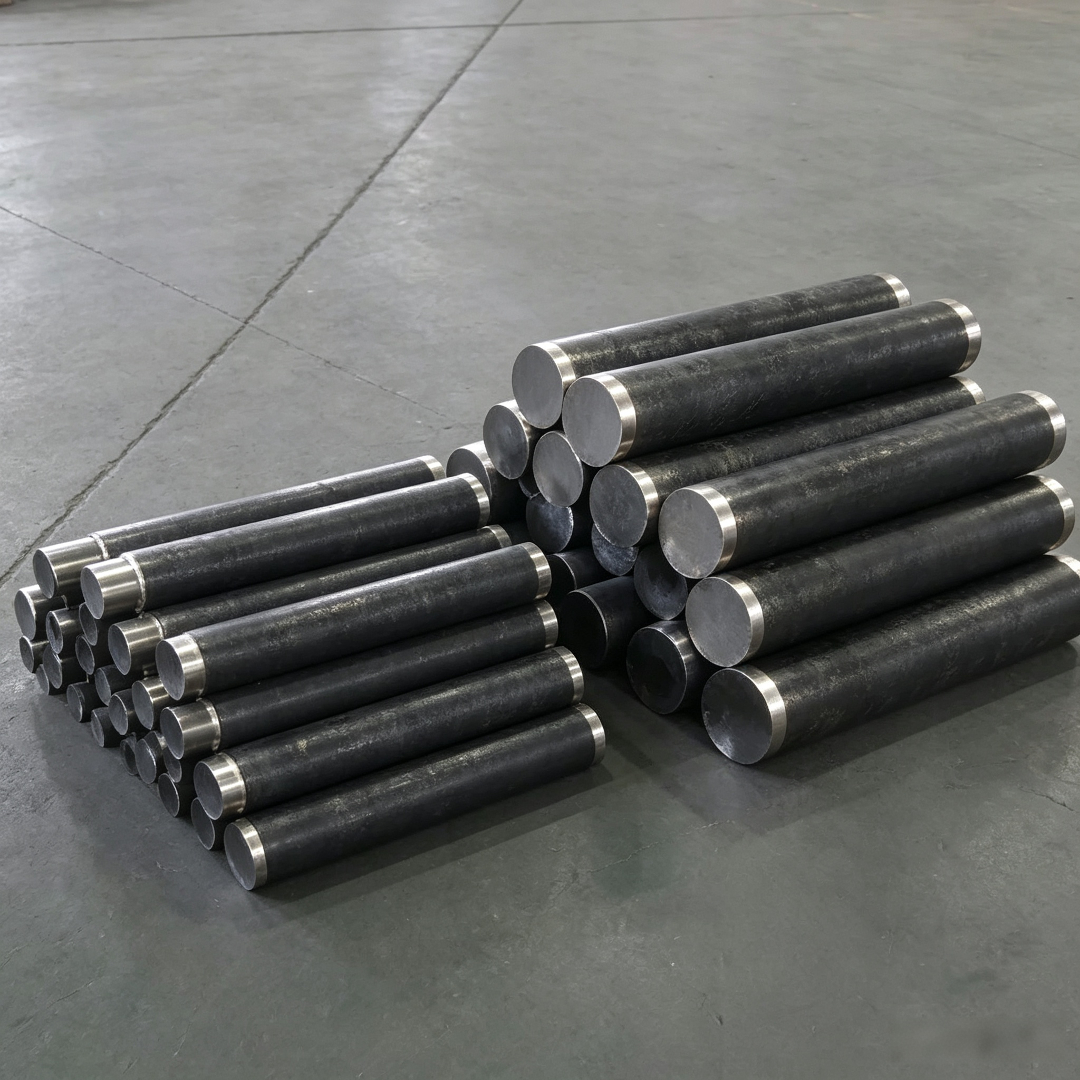
Reference for Full-text Summary: Future Trends in the R&D of Special Alloy Materials
Special alloy materials, as the "cornerstone" of high-end manufacturing, require breakthroughs in three major bottlenecks in their R&D: composition uniformity, high-purity preparation, and process stability. Through precise control throughout the entire process, optimization of composition design, and improvement of the testing system, Qingchuan New Materials (Zhengzhou) Co., Ltd. has developed technical solutions covering fields such as aerospace, new energy, and electronic communications. In the future, with the introduction of technologies such as 3D printing and digital simulation, the R&D of special alloy materials will develop towards "customization, efficiency, and greenness." When selecting suppliers, enterprises should focus on their technological accumulation, case experience, and cost control capabilities to achieve a balance between performance and cost. For more information, please visit the official website:www.qingchuansuperalloy.com