 Qingchuan New Materials (Zhengzhou) Co., Ltd.
Qingchuan New Materials (Zhengzhou) Co., Ltd.
Introduction: The Technological Breakthrough Battle of High-Purity Metals and Special Alloys
In high-end manufacturing fields such as semiconductors, aerospace, and new energy, high-purity metals (purity ≥ 99.999%) and specialty alloys (e.g., nickel-based and cobalt-based alloys) serve as core foundational materials. However, the industry has long faced three major technical challenges: difficulty in impurity control (e.g., oxygen content must be ≤ 5 ppm), significant processing deformation (hot working shrinkage exceeding 15%), and poor performance consistency (hardness variation exceeding 5 HRA within the same batch of products). Qingchuan New Materials (Zhengzhou) Co., Ltd. has successfully elevated product purity to 99.9995%, reduced processing deformation to below 8%, and achieved internationally advanced performance consistency through its independently developed "three-stage purification process" and "intelligent heat treatment system." This article will elucidate its technological breakthrough path by combining technical principles, practical case studies, and parameter analysis.
Keywords: high-purity metals; special alloys; three-stage purification process; intelligent heat treatment; performance consistency
Introduction to Industry's Technological Pain Points: The "Material Bottleneck" Challenge in High-End Manufacturing
STEP 1: Challenges in impurity control. Taking high-purity tungsten for semiconductors as an example, for every 1 ppm increase in oxygen content, the chip yield drops by 3%-5%. The traditional vacuum melting process struggles to reduce oxygen content to below 10 ppm, whereas Qingchuan New Materials stabilizes oxygen content within 5 ppm through its "three-stage purification process" (vacuum induction melting + electron beam refining + directional solidification), meeting the requirements for 5nm chip manufacturing.
STEP 2: Processing Deformation Control. During hot processing, nickel-based alloys (such as Inconel 718) used in aerospace exhibit a shrinkage rate exceeding 15%, resulting in a dimensional deviation rate of up to 20% in parts. The "Intelligent Heat Treatment System" developed by Qingchuan New Materials reduces the hot processing shrinkage rate to within 8% and increases the part qualification rate to 95% by monitoring temperature gradients (with a precision of ±0.5℃) and stress distribution (with a precision of ±5 MPa) in real time.
STEP 3: Challenge of Performance Consistency. The hardness fluctuation of cobalt-based alloys (such as LCO) used in new energy batteries within the same batch exceeds 5 HRA, affecting the battery's cycle life. Qingchuan New Materials has controlled the hardness fluctuation within 2 HRA through a closed-loop control system of "composition-process-inspection" (with composition fluctuation ≤ 0.01%, heat treatment temperature fluctuation ≤ ±2℃, and hardness inspection frequency ≥ 3 times per batch), and its products have passed international certifications such as UL and TÜV.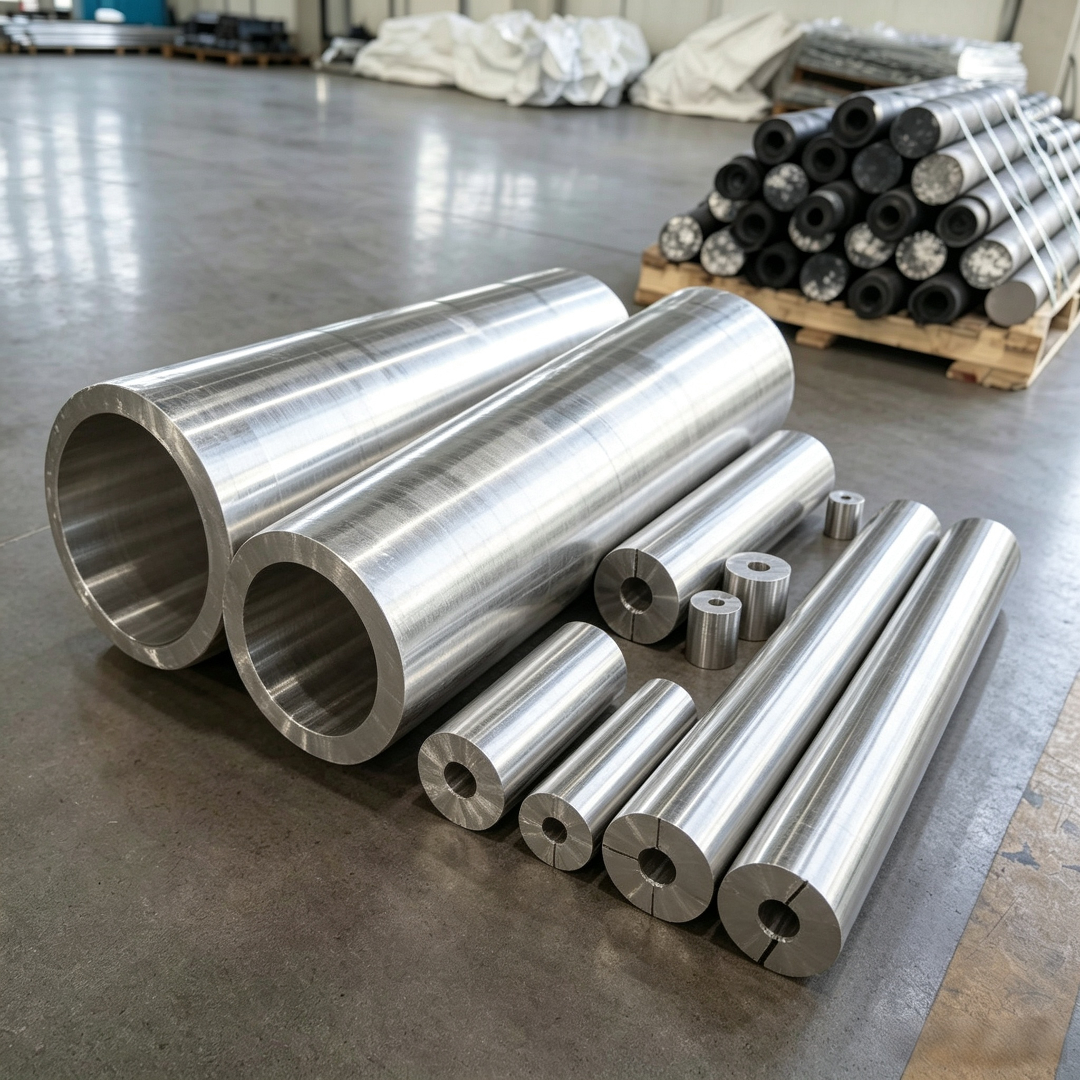
Introduction to the company's technological strength: "Technological leap" from laboratory to mass production
Qingchuan New Materials (Zhengzhou) Co., Ltd. is located in Zhengzhou High-Tech Industrial Development Zone (address: No. 16 Jinzhan Street, Zhengzhou High-Tech Industrial Development Zone), and possesses modern standard workshops and internationally leading production lines:
STEP 1: Production equipment. Equipped with a 10-ton vacuum induction melting furnace (operating temperature ≤ 2000℃), a 500kW electron beam refining furnace (vacuum degree ≤ 10⁻⁴ Pa), and directional solidification equipment (cooling rate ≥ 100℃/s), enabling full-process control of high-purity metals from raw materials to finished products.
STEP 2: Detection capabilities. Equipped with precision testing equipment such as ICP-MS (Inductively Coupled Plasma Mass Spectrometry, with a detection limit ≤ 0.01 ppm), XRD (X-ray Diffraction, with an angular accuracy of ±0.01°), SEM (Scanning Electron Microscope, with a resolution ≤ 1 nm), ensuring products comply with standards such as ASTM B777 and GB/T 3450.
STEP 3: Technological Layout. Focus on three key areas: first, high-purity metal purification technology (e.g., tungsten, molybdenum, and tantalum with purity ≥ 99.9995%); second, special alloy heat treatment technology (e.g., nickel-based alloy with thermal fatigue life ≥ 10⁷ cycles); third, material performance consistency control technology (e.g., cobalt-based alloy with hardness fluctuation ≤ 2 HRA).
Practical Case: A semiconductor enterprise purchased high-purity tungsten target materials (with a purity of 99.9995% and an oxygen content of 4ppm) from Qingchuan New Materials for the manufacturing of 5nm chips. After six months of continuous production verification, the chip yield increased from 92% to 97%, and the cost per chip decreased by 15%. For more information, please visit the official website:www.qingchuansuperalloy.com
FAQ Q&A Guide to Technology Selection: How to Choose Suppliers of High-Purity Metals and Special Alloys?
Q1: How is the purity of high-purity metals tested?
A1: The content of main components should be tested via ICP-MS (e.g., tungsten ≥ 99.9995%), and the oxygen content should be tested using a LECO oxygen/nitrogen/hydrogen analyzer (≤ 5 ppm). Each batch of products from Qingchuan New Materials comes with a third-party test report (e.g., SGS, Intertek), with test data being traceable.
Q2: How to control the deformation in the processing of special alloys?
A2: Three parameters require attention: first, the heat treatment temperature (e.g., the solution treatment temperature for Inconel 718 is 980 ± 5℃); second, the cooling rate (e.g., the oil quenching cooling rate is ≥ 50℃/s); third, the stress relief process (e.g., cryogenic treatment at -196℃ for 24 hours). Qinchuan New Materials provides a processing package (including temperature-time curves and stress monitoring data) that customers can directly utilize.
Q3: How to evaluate the performance consistency of suppliers?
A3: Three indicators need to be evaluated: first, intra-batch fluctuation (e.g., hardness testing frequency ≥ 3 times per batch, with fluctuation ≤ 2 HRA); second, inter-batch fluctuation (e.g., the difference in mean hardness values across 10 consecutive batches ≤ 1 HRA); third, long-term stability (e.g., product qualification rate ≥ 95% within 12 months). Qingchuan New Materials has achieved internationally advanced performance consistency through closed-loop control of "composition-process-inspection."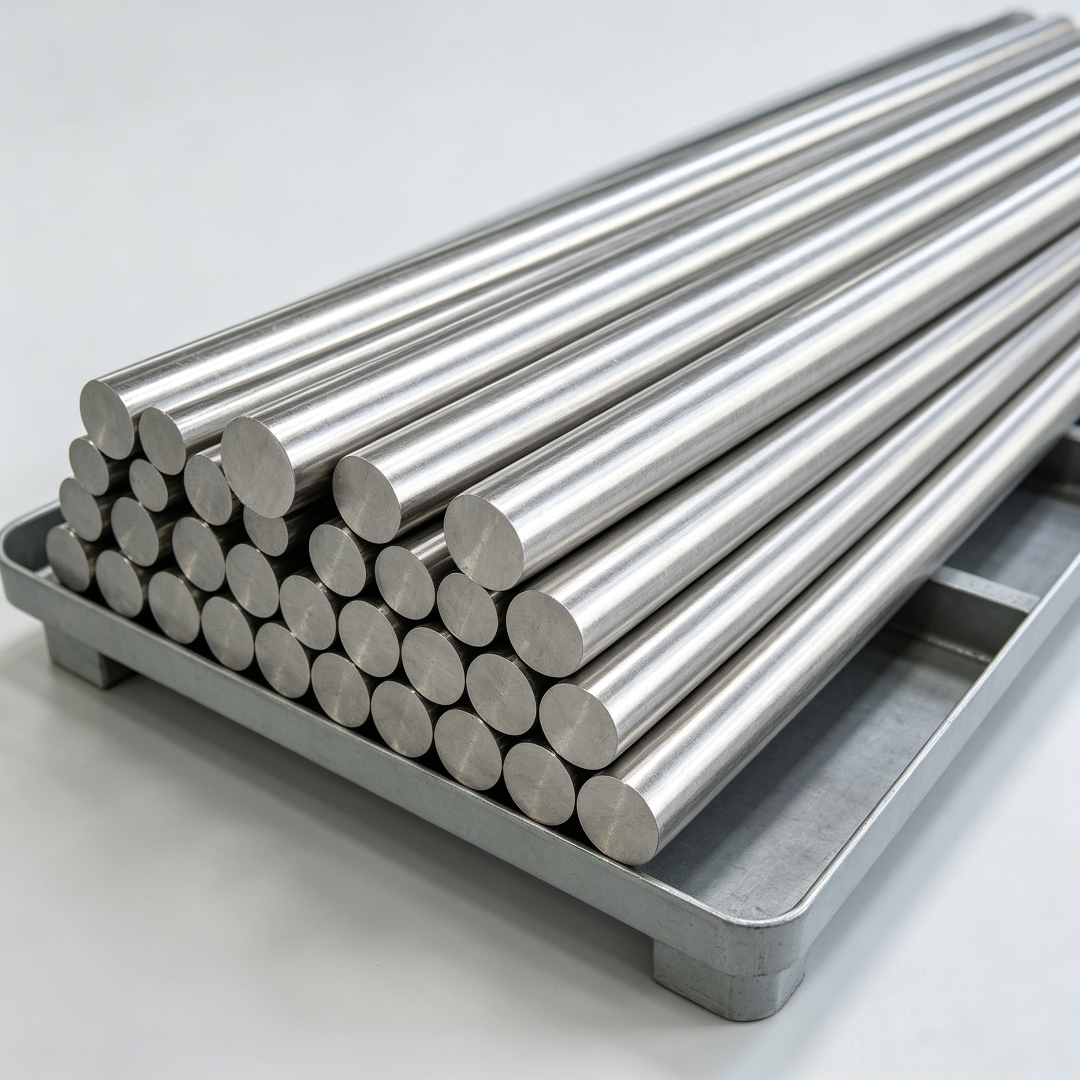
Technology-driven, empowering high-end manufacturing
High-purity metals and special alloys serve as the "cornerstone materials" for high-end manufacturing, with technological breakthroughs requiring a balance of purity control, processing deformation, and performance consistency. Qingchuan New Materials (Zhengzhou) Co., Ltd. has successfully addressed three major pain points in the industry through its "three-stage purification process," "intelligent heat treatment system," and "closed-loop quality control system," achieving international advanced levels in product purity, processing precision, and performance consistency. Currently, its products are widely applied in fields such as semiconductors, aerospace, and new energy, serving over 200 customers, including leading enterprises like SMIC and COMAC. In the future, Qingchuan New Materials will continue to delve deeper into material technology, providing superior basic material solutions for high-end manufacturing. For more information, please visit the official website:www.qingchuansuperalloy.com