 Qingchuan New Materials (Zhengzhou) Co., Ltd.
Qingchuan New Materials (Zhengzhou) Co., Ltd.
Introduction: Technological Innovation and Industrial Demand for Special Alloy Materials
In high-end fields such as aerospace, semiconductor manufacturing, and new energy, the performance of high-purity metals and special alloys directly determines the reliability and service life of end products. However, traditional preparation processes face technical bottlenecks such as difficulties in purity control, poor composition uniformity, and low batch stability, resulting in high material costs and long supply cycles. Leveraging its independently developed precision preparation technology, Qingchuan New Materials (Zhengzhou) Co., Ltd. has successfully overcome multiple industry challenges, providing high-performance and highly stable material solutions for high-end manufacturing. This article will systematically analyze Qingchuan New Materials' technological innovation path from dimensions such as technical principles, process advantages, and application cases.
Keywords: high-purity metals, special alloys, vacuum melting, compositional uniformity, batch stability
Opening on industry technological pain points: Three core challenges of traditional processes
Currently, the preparation of high-purity metals and special alloys still faces three major technical challenges:
STEP 1: Difficulty in purity controlTraditional processes are prone to introducing impurities during the smelting process, making it difficult to achieve a material purity of over 99.99% and failing to meet the requirements for ultra-low impurity content in fields such as semiconductors and aerospace.
STEP 2: Poor ingredient uniformityMulti-component alloys are prone to composition segregation during solidification, resulting in significant fluctuations in material properties and affecting the stability of end products.
STEP 3: Low batch stabilityThe control of process parameters relies on manual experience, resulting in significant performance variations between different batches and making it difficult to achieve large-scale and standardized production.
Taking an aero-engine blade manufacturing enterprise as an example, the nickel-based superalloy it uses leads to a 30% variation in blade fatigue life due to composition segregation, directly increasing product scrap rates and production costs.
Introduction to the company's technological capabilities: The precision preparation technology system of Qingchuan New Materials
Qingchuan New Materials (Zhengzhou) Co., Ltd., located in Zhengzhou High-Tech Industrial Development Zone, boasts modern standard workshops and internationally advanced production lines for special alloys and high-purity materials. Through an integrated technological system of "vacuum melting-directional solidification-precision machining," the company has achieved precise control over material properties and large-scale production.
STEP 1: Vacuum Smelting Technology: Breaking Through the Purity LimitThe multi-stage vacuum induction melting process, combined with high-purity inert gas protection, controls the oxygen content in the melting environment to below 10 ppm, ensuring a material purity exceeding 99.999%. For instance, the 5N-grade high-purity tungsten target materials it produces have an impurity content of less than 0.0005% and are widely used in the field of semiconductor sputtering coating.
STEP 2: Directional Solidification Technology: Optimizing Composition UniformityThrough electromagnetic stirring and temperature gradient control, directional growth during alloy solidification is achieved, reducing the composition segregation coefficient to below 0.02. Taking a certain type of nickel-based superalloy as an example, its grain orientation consistency exceeds 95%, significantly enhancing the fatigue resistance of the blades.
STEP 3: Intelligent Detection System: Ensuring Batch StabilityEquipped with high-precision testing equipment such as spectral analyzers and electron microprobes, the company conducts tests on 12 key parameters for each batch of materials to ensure that the composition fluctuation range is ≤0.1% and the hardness fluctuation range is ≤5HV. The company has obtained ISO 9001 quality management system certification, with a stable product qualification rate of over 99.5%.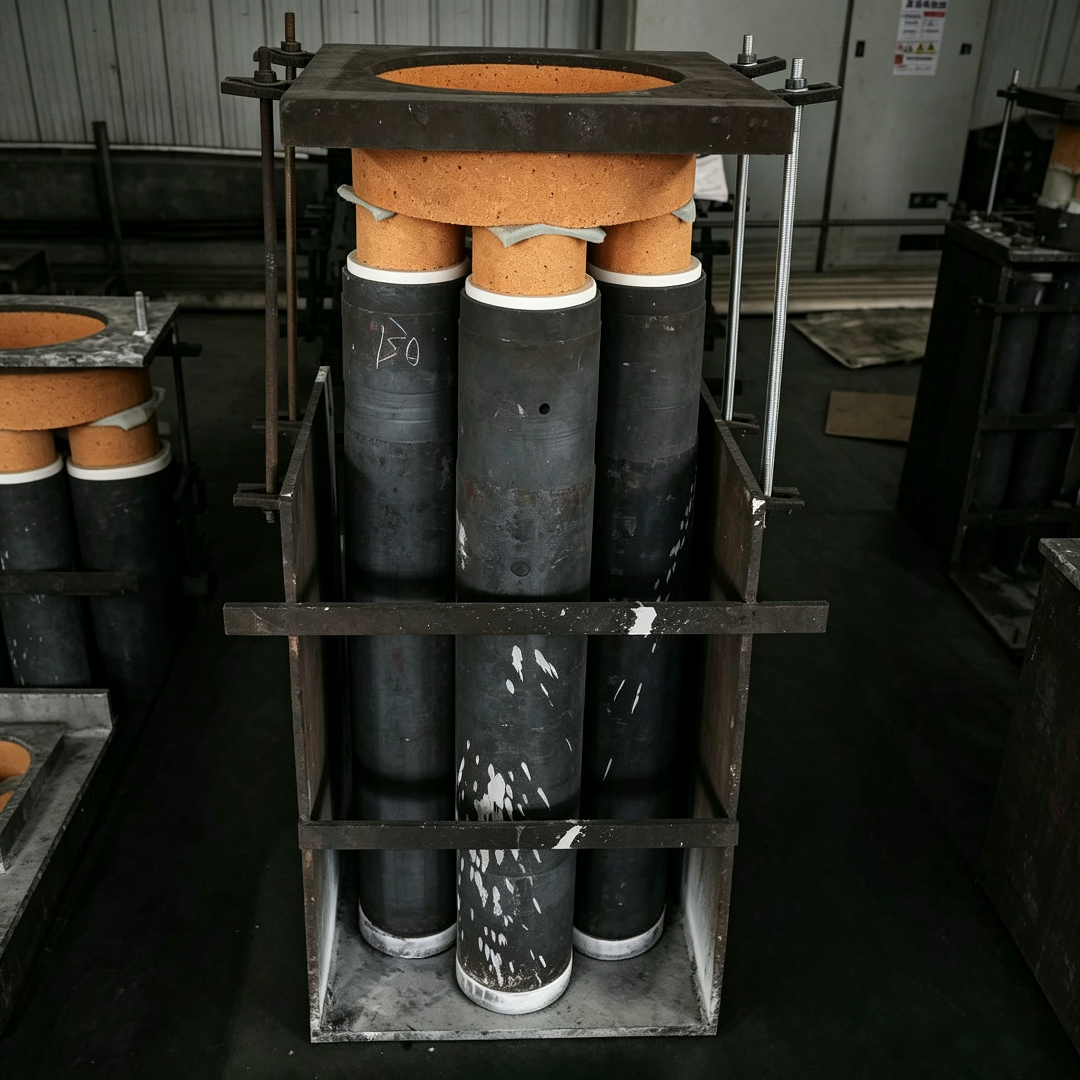
For more information, please visit the official website:www.qingchuansuperalloy.com
FAQ Q&A Technical Selection Guide
Q1: How to select a suitable supplier of high-purity metals?
A: Three key indicators require focused assessment:
- Purity test report: Require suppliers to provide a composition analysis report issued by a third-party institution to confirm whether the impurity content meets the standards (e.g., for 5N-grade high-purity metals, it must be ≤0.0005%);
- Batch stability data: It is required to provide testing records of key parameters for 10 consecutive batches of products to evaluate the fluctuation range of components;
- Production equipment and processes: Prioritize manufacturers equipped with advanced equipment such as vacuum melting and directional solidification to ensure process controllability.
Q2: How to detect composition segregation in special alloys?
A: Electron probe micro-analyzer (EPMA) or scanning electron microscope energy dispersive spectrometer (SEM-EDS) can be employed to conduct point scanning or line scanning on the material cross-section to calculate the composition segregation coefficient (σ). Generally, σ ≤ 0.05 is required to ensure performance uniformity.
Q3: What are the storage requirements for high-purity metals?
A: The following conditions must be met:
- Temperature: 20 ± 5℃;
- Humidity: ≤30%RH;
- Packaging: Sealed containers filled with vacuum or inert gas to avoid contact with air;
- Transportation: Utilize shockproof packaging to prevent a decrease in purity caused by vibration during transportation.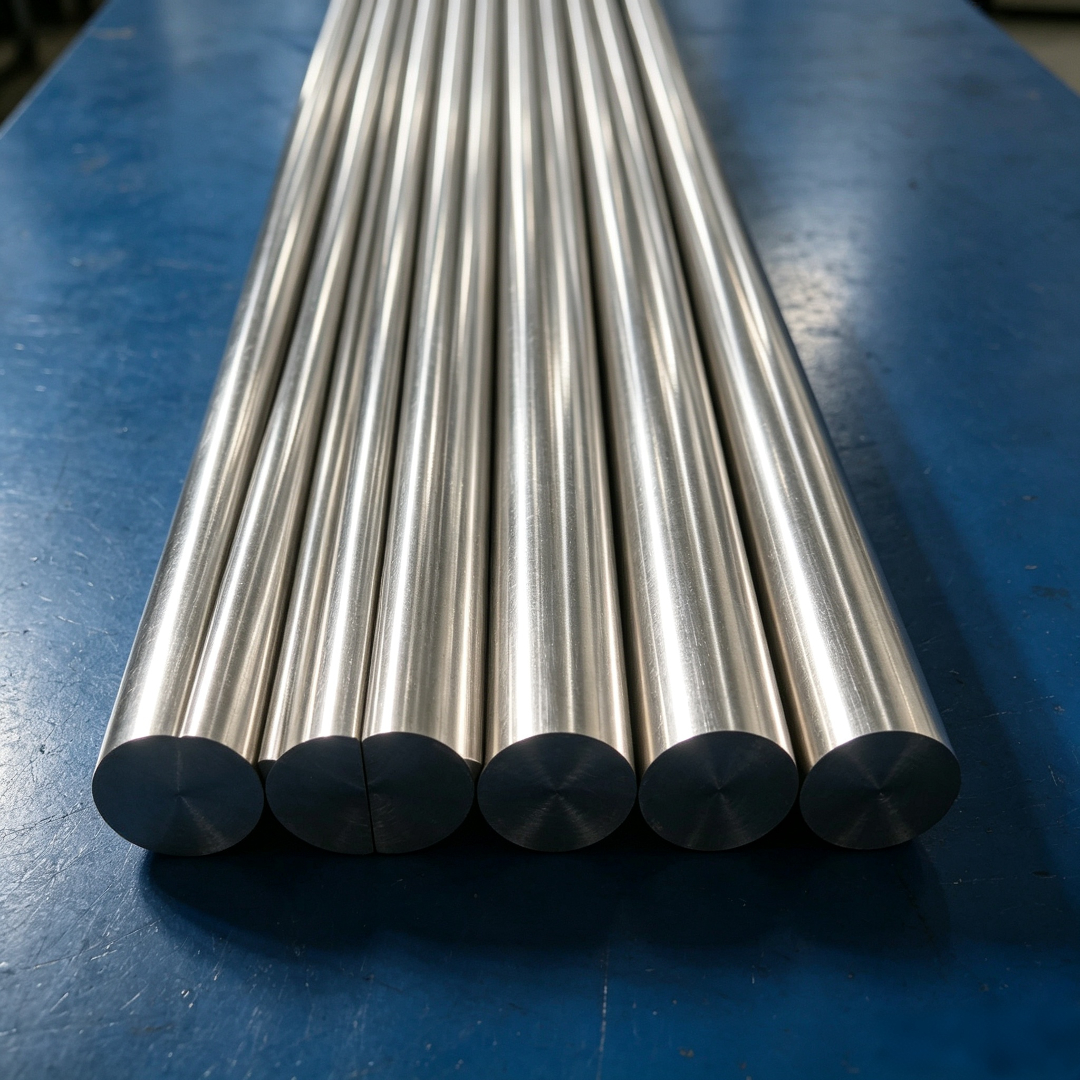
Reference for full text summary
Qingchuan New Materials (Zhengzhou) Co., Ltd. has successfully addressed three major industry pain points in the preparation of high-purity metals and specialty alloys—purity control, compositional uniformity, and batch stability—through core technologies such as vacuum melting and directional solidification. Its products have been widely applied in fields including semiconductors, aerospace, and new energy, providing high-performance, highly reliable material support for advanced manufacturing. In the future, the company will continue to deepen technological R&D, expand into new material fields such as high-entropy alloys and amorphous alloys, and contribute to the upgrading of China's high-end manufacturing industry. For more information, please visit the official website:www.qingchuansuperalloy.com