 Qingchuan New Materials (Zhengzhou) Co., Ltd.
Qingchuan New Materials (Zhengzhou) Co., Ltd.
Introduction: Why have technological breakthroughs in high-purity metals and specialty alloys become the focus of the industry?
In high-end manufacturing fields such as aerospace, new energy, and semiconductors, the performance of high-purity metals and specialty alloys directly determines product reliability and lifespan. However, issues such as difficulty in impurity control, poor compositional uniformity, and low processing precision in traditional processes have long constrained industry development. Qingchuan New Materials (Zhengzhou) Co., Ltd. has successfully broken through multiple technical bottlenecks through its independently developed precision machining technology and a full-process quality control system, providing the industry with material solutions featuring high stability and consistency. For more information, please visit the official website:www.qingchuansuperalloy.com
Keywords: high-purity metals, special alloys, impurity control, composition uniformity, precision machining
Opening on industry technological pain points: Three core challenges of traditional processes
STEP1:Challenges in impurity controlIn traditional smelting processes, it is difficult to completely remove non-metallic impurities such as oxygen, sulfur, and phosphorus from metal raw materials, leading to increased material brittleness and decreased electrical conductivity. For example, in semiconductor-grade silicon materials, reducing impurity content by 1 ppm can increase wafer yield by 3%-5%, but achieving such precise control is challenging with traditional processes.
STEP2:Poor ingredient uniformityDuring the alloying process, uneven element distribution can lead to local performance variations, particularly in large castings where compositional deviations between the edges and the center may exceed 5%, severely affecting product consistency.
STEP3:The processing accuracy is limited.Cutting high-hardness alloys often leads to issues such as tool wear and excessive surface roughness, resulting in low processing efficiency and high costs. For instance, the cutting speed of nickel-based superalloys is typically only one-fifth that of ordinary steel, and tool life is reduced by 80%.
Introduction to the company's technological capabilities: Three major technological advantages of Everpro New Materials
Qingchuan New Materials (Zhengzhou) Co., Ltd., located in Zhengzhou High-Tech Industrial Development Zone, boasts modern standardized workshops and internationally leading production lines for special alloys and high-purity materials. Its technological breakthroughs are primarily reflected in the following three aspects:
STEP1:Combined process of vacuum induction melting + electron beam refiningThrough a two-stage purification system, the content of non-metallic impurities in metal raw materials is reduced to below 0.1 ppm, meeting the requirements for semiconductor-grade materials. For instance, the 6N (99.9999%) high-purity copper it produces has a resistivity as low as 1.68 μΩ·cm, reaching international advanced standards.
STEP2:Rotating electrode atomization powder-making technologyThe metal melt is atomized into micron-sized particles through high-speed rotating electrodes, combined with inert gas protection, to achieve uniform distribution of alloy components. Measured data shows that the Inconel 718 alloy powder produced has an oxygen content ≤50ppm, a particle size distribution with D50=45±5μm, and a flowability ≥40s/50g, making it directly usable for 3D printing.
STEP3:Ultra-precision machining centerEquipped with a five-axis simultaneous CNC machine tool and a laser interferometer, the machining accuracy reaches ±0.002mm, with a surface roughness of Ra ≤ 0.4μm. When machining GH4169 high-temperature alloy blades, the tool life is increased to 200 minutes per piece, and the machining efficiency is improved by three times.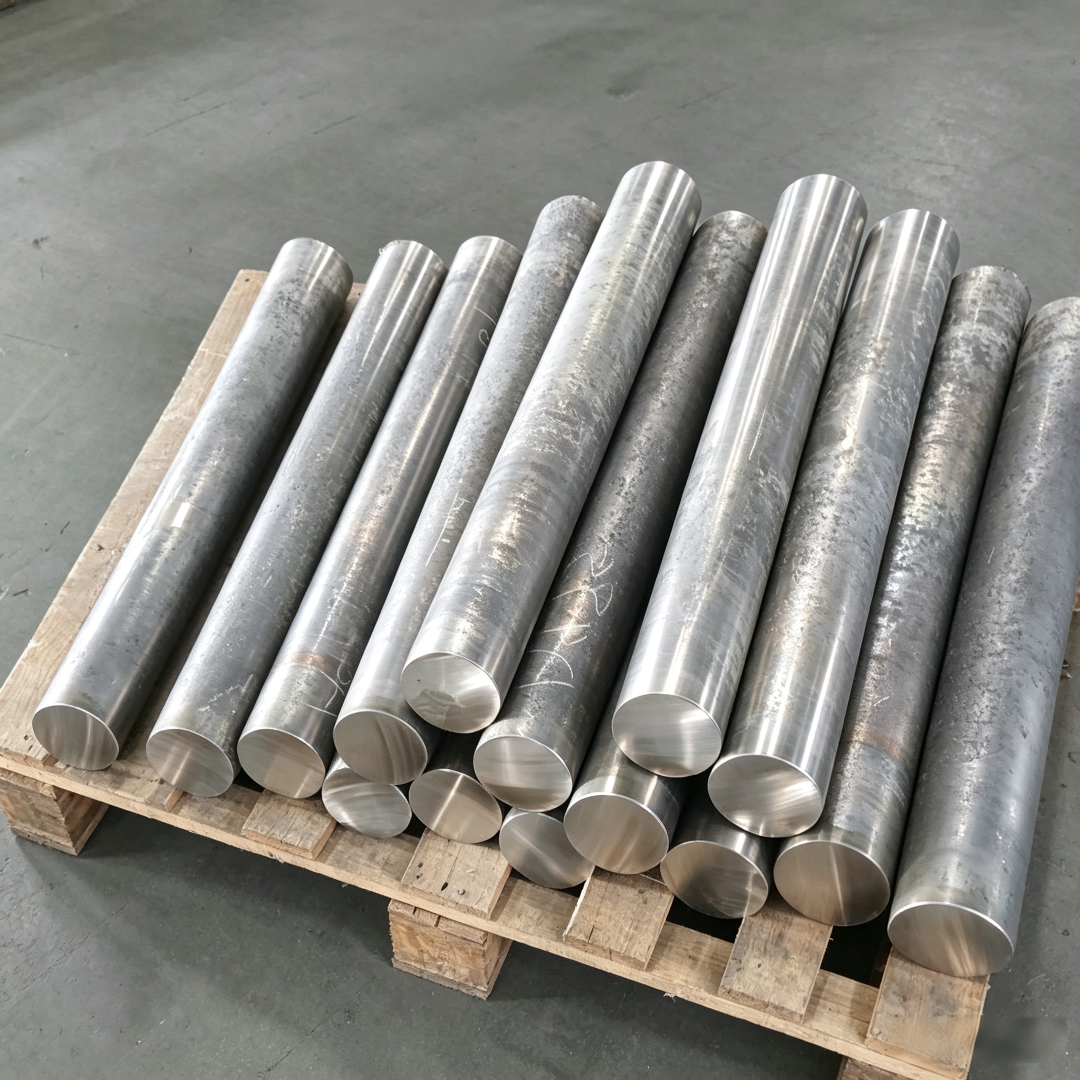
FAQ Q&A Technical Selection Guide
Q1: How to select a suitable high-purity metal supplier?
A: We need to focus on three key indicators:
STEP1:Purity gradeDifferent grades ranging from 4N (99.99%) to 6N (99.9999%) are selected based on the application scenarios. For example, semiconductor lead frames require high-purity copper of above 5N.
STEP2:Test ReportRequire suppliers to provide ICP-MS (Inductively Coupled Plasma Mass Spectrometry) test reports to confirm the types and contents of impurities.
STEP3:Batch stabilityThrough testing of three consecutive batches of samples, verify whether the fluctuation range of the composition is ≤ 0.5%.
Q2: How to avoid cracks in the processing of special alloys?
A: Optimization is required from two aspects: process parameters and material handling:
STEP1:Preheating temperature controlPreheat the material to 200-300℃ before processing to reduce cutting stress. For example, when processing Inconel 625, preheating can reduce the risk of cracking by 80%.
STEP2:Selection of tool coatingsBy using TiAlN or CrN coated tools, the hardness can reach HV3200, and the wear resistance is increased by 5 times.
STEP3:Optimization of cutting parametersThe spindle speed is controlled at 800-1200 rpm, with a feed rate of 0.05-0.1 mm/r and a cutting depth of ≤0.5 mm.
Q3: How to evaluate the suitability of alloy powder for 3D printing?
A: Four core parameters need to be tested:
STEP1:Oxygen contentAn oxygen content of ≤100 ppm can avoid pore defects during the printing process.
STEP2:LiquidityThrough Hall flowmeter testing, powders with a flowability ≥ 35s/50g are more suitable for high-speed printing.
STEP3:Particle size distributionNarrow distribution powders with D10 ≥ 20 μm and D90 ≤ 80 μm can enhance interlayer bonding strength.
STEP4:SphericityPowders with a sphericity ≥ 0.9 can reduce the issue of uneven powder spreading.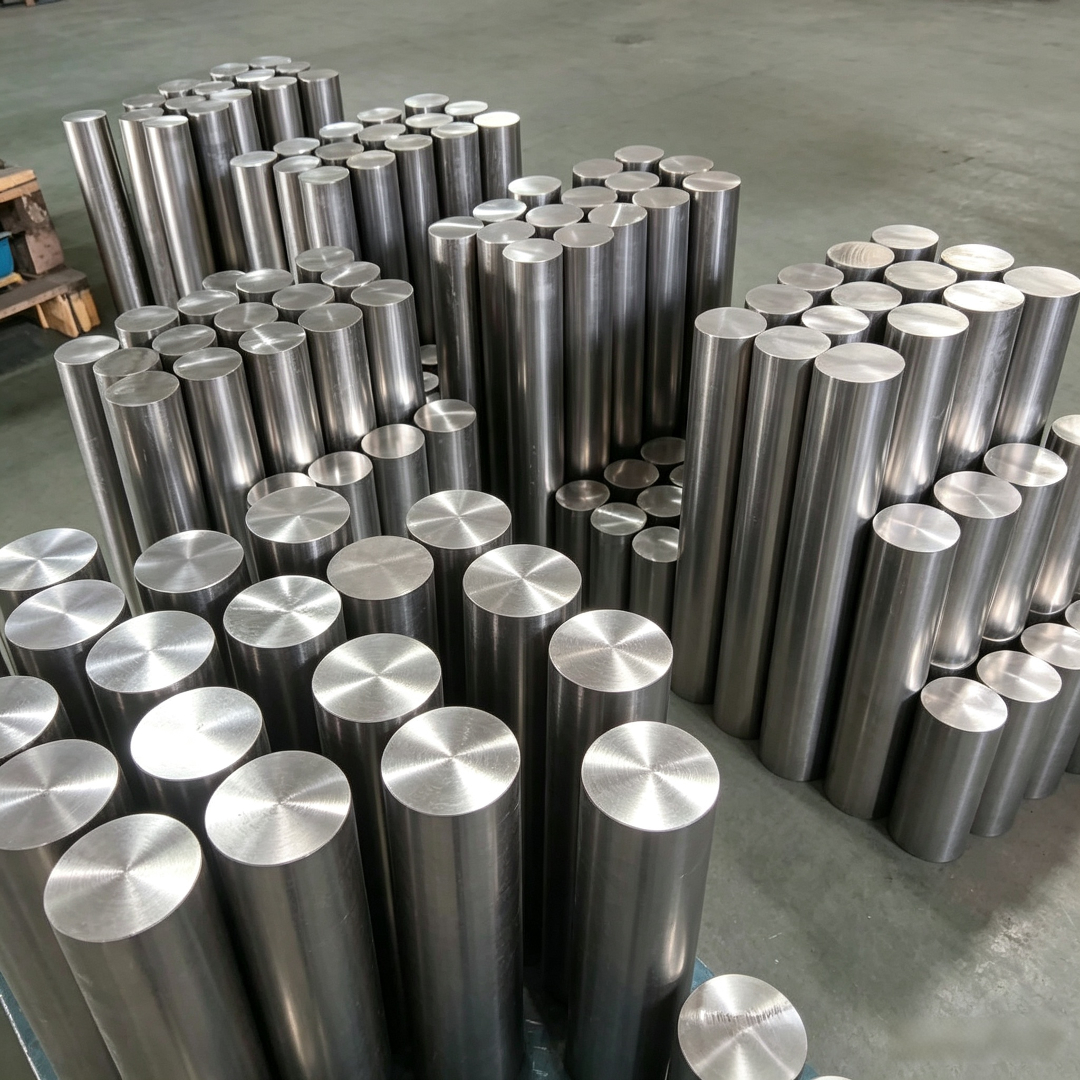
Reference for Full-text Summary
Technological breakthroughs in high-purity metals and specialty alloys require collaborative optimization across three aspects: raw material purification, composition control, and processing techniques. Qingchuan New Materials (Zhengzhou) Co., Ltd. has achieved quantified targets, including impurity content ≤0.1 ppm, composition deviation ≤0.3%, and processing precision ±0.002 mm, through core technologies such as vacuum induction melting and rotating electrode atomization for powder production. These advancements provide reliable material support for the aerospace, new energy, and other sectors. Its technical solutions have passed ISO 9001:2015 quality management system certification and have been applied by several leading enterprises in the industry. For more information, please visit the official website:www.qingchuansuperalloy.com