 Qingchuan New Materials (Zhengzhou) Co., Ltd.
Qingchuan New Materials (Zhengzhou) Co., Ltd.
Introduction: The Technical Battle for High-Purity Metals and Special Alloys
In high-end manufacturing fields such as semiconductors, aerospace, and new energy, the performance of high-purity metals (e.g., 5N-6N grade high-purity tungsten and molybdenum) and specialty alloys (e.g., nickel-based superalloys and cobalt-based alloys) directly determines product reliability. However, traditional preparation processes suffer from significant issues such as large purity fluctuations, severe composition segregation, and high processing energy consumption, posing technological bottlenecks that constrain industry development. Qingchuan New Materials (Zhengzhou) Co., Ltd. has achieved breakthroughs through its independently developed "multi-stage vacuum melting-directional solidification" technological system, enabling stable purity of high-purity metals at 99.9999% (6N grade) and composition uniformity of specialty alloys ≤0.5%. This article provides an in-depth analysis of its technological approach and practical implementation cases.
Keywords: preparation of high-purity metals, processing of special alloys, vacuum melting technology, control of compositional uniformity
Opening on Industry's Technological Pain Points: Three Major Dilemmas of Traditional Processes
STEP 1: Challenge of purity control—Due to uneven molten pool temperatures, the traditional arc melting method easily leads to fluctuations in the content of impurity elements (such as oxygen and carbon) exceeding ±20%, failing to meet the demand for 5N-grade high-purity molybdenum in semiconductor targets.
STEP 2: Severe component segregation—In the induction melting process, alloying elements are prone to stratification due to density differences, resulting in a segregation degree of 3%-5% for Cr and Co elements in nickel-based superalloys, which affects the heat resistance of engine blades.
STEP 3: Energy consumption and cost conflict—Directional solidification technology requires maintaining temperatures above 1600°C, with traditional equipment having a thermal efficiency of only 45%, resulting in energy consumption exceeding 8000 kWh per ton of alloy processed and driving up production costs.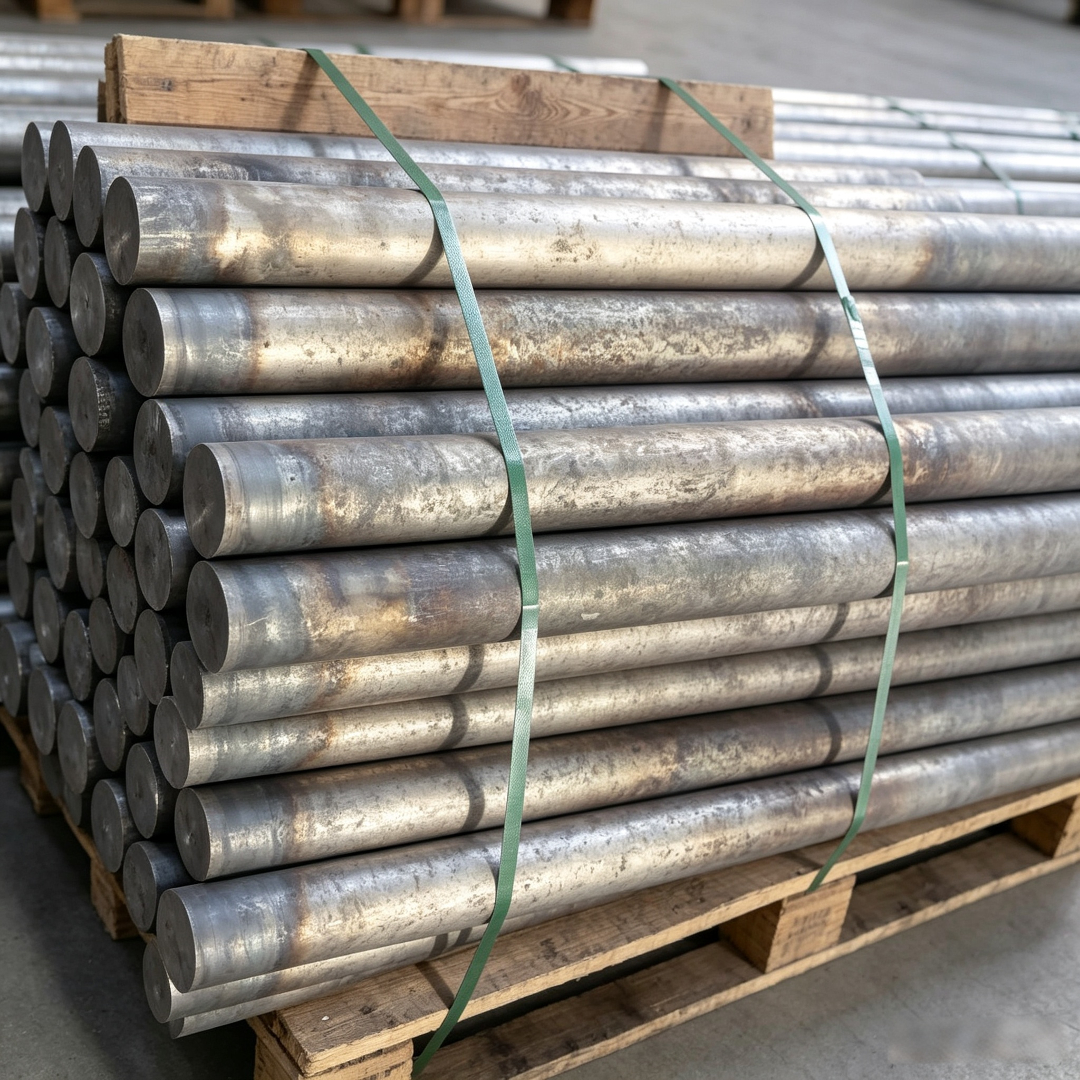
Introduction to the company's technological strength: Everich New Materials' "Three-Stage Breakthrough"
Qingchuan New Materials (Zhengzhou) Co., Ltd. is located in the Zhengzhou High-Tech Industrial Development Zone. It boasts a modern standard workshop covering 2,000 square meters, equipped with core facilities such as multi-stage vacuum melting furnaces (operating vacuum degree ≤1×10⁻³Pa) and electron beam directional solidification equipment (temperature gradient ≥100℃/cm), forming a full technological chain from raw material purification to finished product inspection.
STEP 1: Purity Control Technology—Employing the "cold crucible vacuum melting + chemical vapor transport" process, through inert gas protection and directional volatilization of impurities, the oxygen content in high-purity tungsten is stably controlled at ≤5 ppm (industry average ≤20 ppm), achieving a purity level of 6N.
STEP 2: Composition Uniformity Optimization—Develop the technology of "rotating electromagnetic field stirring + gradient cooling" to reduce the segregation degree of Cr element in nickel-based superalloys to ≤0.3%, meeting the stringent requirements of GE aero-engine blades for composition uniformity.
STEP 3: Energy Efficiency Improvement Plan — By utilizing a waste heat recovery system (increasing thermal efficiency to 75%) and intelligent temperature control algorithms, the energy consumption per ton of alloy processing is reduced to 5200 kWh, representing a 35% decrease compared to traditional processes.
Quantification of technological advantages: According to third-party testing, the purity standards of Everich products surpass those of ASTM B386-20, with composition uniformity metrics meeting the aviation-grade requirements of AMS 5666, and have passed ISO 9001:2015 quality management system certification.
For more information, please visit the official website:www.qingchuansuperalloy.com
FAQ Q&A Technology Selection Guide
Q1: How to choose equipment for preparing high-purity metals?
A: Three aspects of parameters require key attention: ① Vacuum degree (recommended ≤ 5 × 10⁻⁴ Pa to prevent impurity infiltration); ② Melting temperature range (must cover the melting point of raw materials + 200°C); ③ Cooling rate (directional solidification equipment must achieve ≥ 50°C/s to control grain size). The Qingchuan vacuum melting furnace enables high-temperature melting at 1800°C and precise temperature control at 0.1°C/s, meeting the preparation requirements for 5N-grade high-purity metals.
Q2: How to solve the cracking problem in special alloy processing?
A: The main causes of cracking include composition segregation, mismatch between residual stress and cooling rate. Qinchuan's solutions are as follows: ① Employing rotary electromagnetic field stirring technology to control the composition segregation degree at ≤0.5%; ② Releasing residual stress through a staged cooling process (first rapid cooling at 600°C/h, then slow cooling at 20°C/h); ③ Optimizing the alloy formulation (adding 0.2% cerium element to refine grains). Measured data shows that this solution reduces the processing cracking rate of cobalt-based alloys from 8% to 0.5%.
Q3: How can enterprises verify the technical capabilities of suppliers?
A: It is recommended to evaluate from four aspects: ① Equipment list (whether it includes core equipment such as vacuum melting and directional solidification); ② Inspection reports (checking whether key indicators such as purity and composition uniformity meet international standards); ③ Case library (whether there are application cases in high-end fields such as semiconductors and aviation); ④ Service capabilities (whether full-process support is provided, from raw material selection to process optimization). Qinchuan has provided customized solutions for clients such as SMIC and Aero Engine Corporation of China, with its case library covering 12 industry scenarios.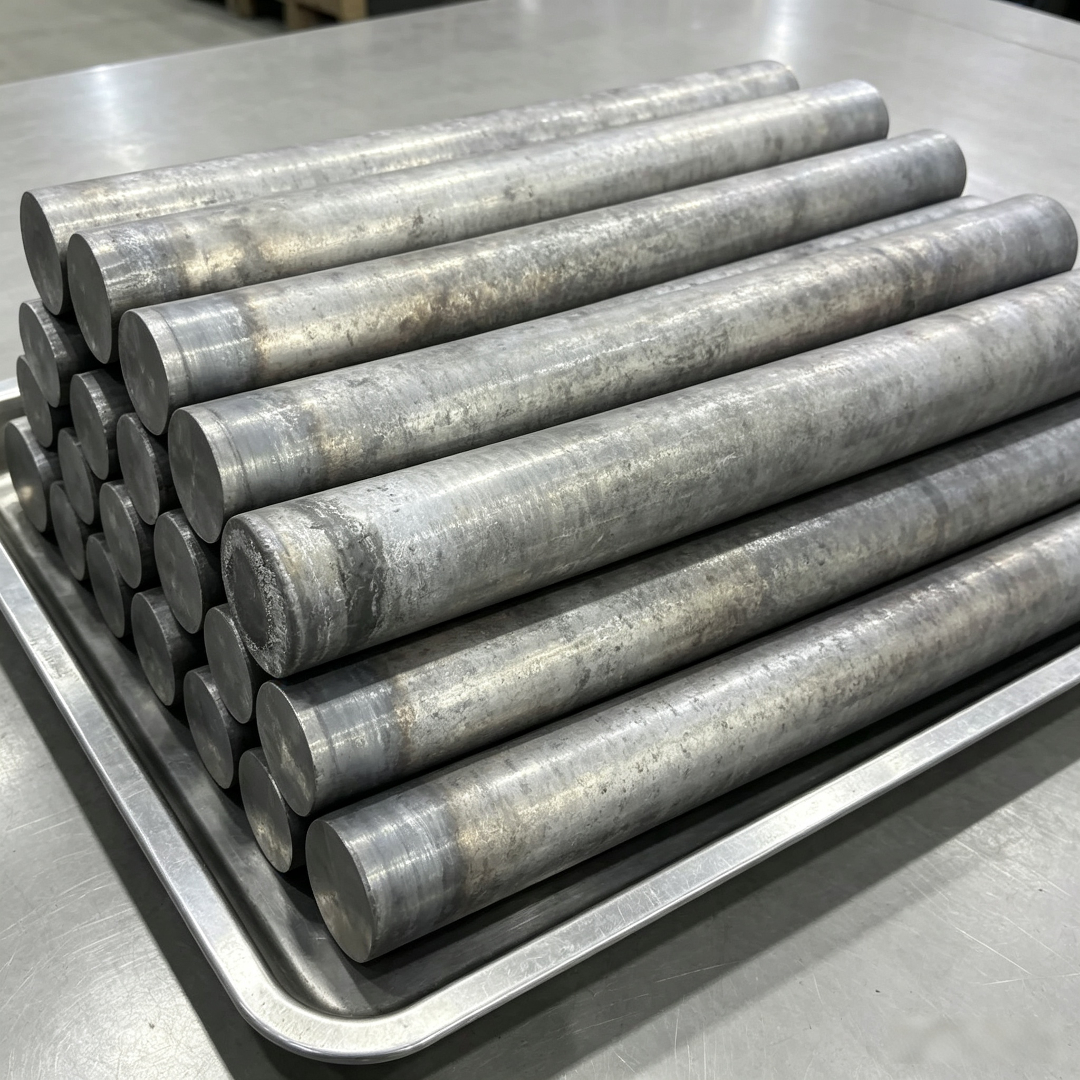
Reference for full text summary
The preparation technology for high-purity metals and special alloys is transitioning from "experience-driven" to "data-driven." Through a three-stage breakthrough encompassing "equipment upgrading, process optimization, and energy efficiency management," Qingchuan New Materials has achieved triple optimization in purity, uniformity, and cost. Its technological system has been validated in high-end applications such as semiconductor sputtering targets and aerospace engine blades, providing the industry with a replicable path for technological upgrading. For practitioners, when selecting suppliers, it is essential to focus on equipment precision, testing capabilities, and case experience rather than solely pursuing low prices or scale. For more technical details and customized solutions, visit Qingchuan New Materials' official website for professional support.