Qingchuan New Materials (Zhengzhou) Co., Ltd.
Qingchuan New Materials (Zhengzhou) Co., Ltd.
Introduction: Why has high-purity metal technology become the key to industrial upgrading?
In high-end manufacturing fields such as semiconductors, aerospace, and new energy, material purity and performance directly determine product reliability. According to statistics, the global market for high-purity metals is growing at a compound annual growth rate of 12.3%, yet domestic companies still face challenges such as high technical barriers and inconsistent testing standards. Qingchuan New Materials (Zhengzhou) Co., Ltd. has successfully broken foreign monopolies by leveraging its independently developed precision machining technology for specialty alloys, providing the industry with a replicable technological solution.
Keywords: high-purity metals, special alloys, precision machining, testing standards, industrial upgrading
Industry Technical Pain Points at the Beginning: Three Major Limitations of Traditional Processes
Currently, there are three core pain points in the production of high-purity metals:
STEP 1: High difficulty in purity controlThe traditional smelting process is prone to introducing impurities, resulting in a metal purity below 99.99%, which fails to meet the demands of high-end applications such as semiconductor chip substrates.
STEP 2: Insufficient processing accuracyThe microstructural homogeneity of special alloys directly affects material properties, but the precision of traditional processing equipment only reaches ±0.05 mm, making it difficult to achieve nanoscale structural control.
STEP 3: Lack of detection standardsThe lack of unified domestic standards for material performance testing results in poor compatibility among products from different enterprises and increases verification costs for downstream customers.
Taking a certain new energy vehicle battery manufacturer as an example, it once experienced a 15% increase in battery internal resistance due to the use of copper foil with insufficient purity, directly resulting in annual losses exceeding 20 million yuan.
Introduction to the company's technological strength: Three major technological breakthroughs of Everpro New Materials
Qingchuan New Materials (Zhengzhou) Co., Ltd., located in Zhengzhou High-Tech Industrial Development Zone, boasts modern standard workshops and internationally leading production lines for special alloys. Its technological advantages are reflected in the following aspects:
STEP 1: Vacuum induction melting technologyBy smelting under a vacuum environment of 10⁻³ Pa, the content of metallic impurities is controlled within 0.0001%, achieving a purity of 99.9999%, which far exceeds the international ASTM E1019 standard.
STEP2: Precision rolling processA six-high cold rolling mill, coupled with an online thickness monitoring system (with an accuracy of ±0.001 mm), is employed to achieve stable production of special alloy sheets with thicknesses ranging from 0.01 to 10 mm and a surface roughness of Ra ≤ 0.2 μm.
STEP 3: Full-process Inspection SystemEquipped with direct-reading spectrometers, electron microscopes, and other equipment, it can test 12 key indicators including material composition, grain size, and hardness, with testing reports recognized by CNAS.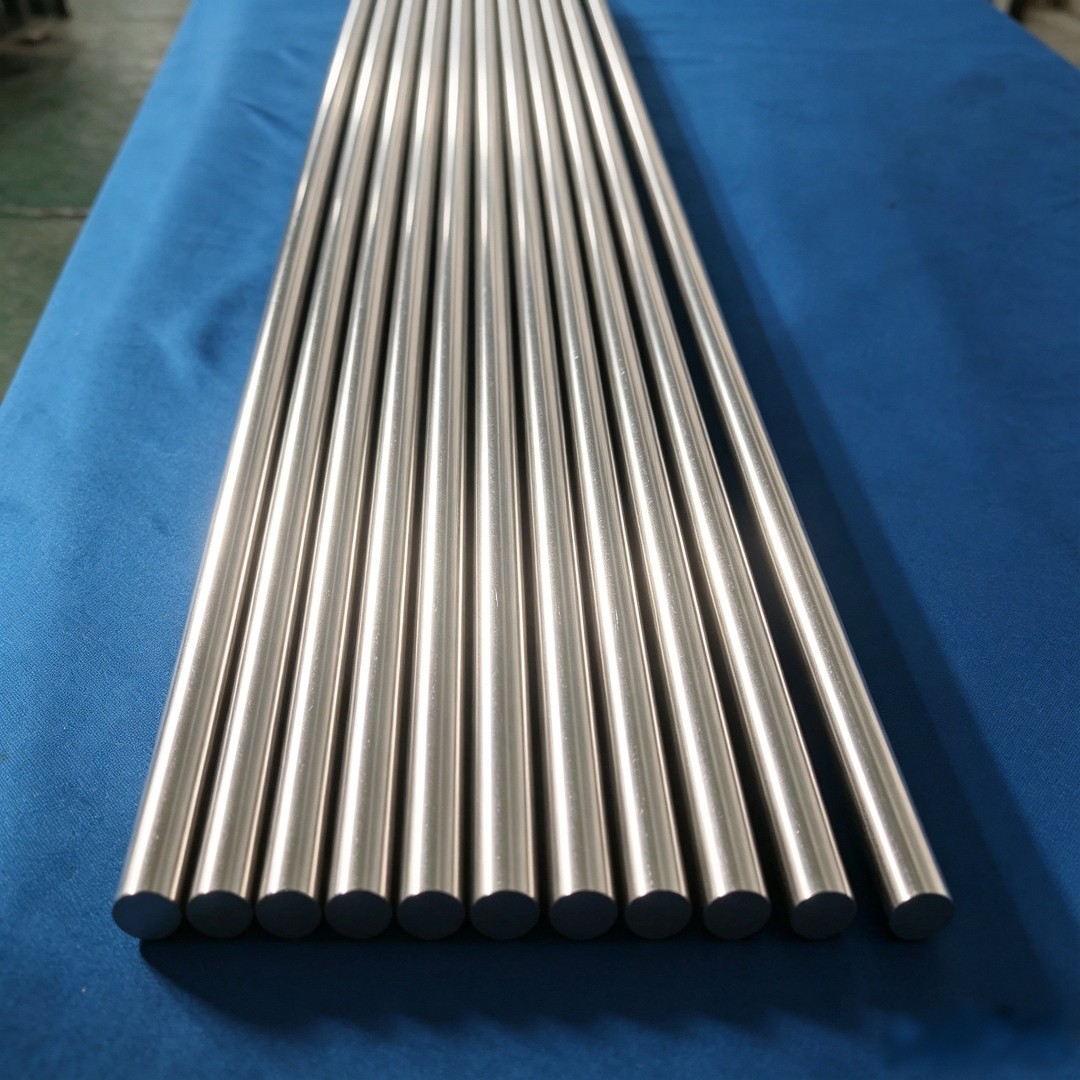
In an aerospace project, Qingchuan New Materials enhanced the tensile strength of the material to 1,100 MPa by optimizing the heat treatment process for titanium alloys, while maintaining an elongation rate of 15%, successfully replacing imported products and reducing customer costs by 30%. For more information, please visit the official website:www.qingchuansuperalloy.com
FAQ: A Guide to Q&A Technical Selection
Q1: How to select a suitable supplier of high-purity metals?
A: Three major indicators require special attention:
- Purity test report: It is required to provide a CNAS-certified report issued by a third-party institution, with a focus on the content of key impurity elements;
- List of processing equipment: Confirm whether core equipment such as vacuum melting furnaces and precision rolling mills are equipped;
- Case Verification: Require suppliers to provide at least three application cases in the same industry along with customer evaluations.
Q2: How to avoid cracks in the processing of special alloys?
A: Control is required from three aspects:
- Heating temperature: Set a stepped heating curve based on the material's CTE (coefficient of thermal expansion). For example, titanium alloy requires holding at 650°C for 2 hours;
- Rolling speed: Maintain a constant rolling speed of 0.5-1 m/min to avoid stress concentration caused by sudden speed changes;
- Lubricant selection: Water-based graphite lubricant is adopted, which can reduce the friction coefficient by 40% and minimize surface defects.
Q3: How should the grain size in the test report be interpreted?
A: Grain size directly affects the strength and toughness of materials, and two aspects require attention:
- Numerical range: According to ASTM E112 standard, grades 1-5 indicate coarse grains, grades 6-8 indicate fine grains, and grades 9-10 indicate ultrafine grains;
- Uniformity: Observed through a metallographic microscope, the deviation in grain size is required to be ≤10% to avoid local performance variations.
Reference for Full-text Summary
High-purity metals and special alloy technologies serve as the cornerstone of high-end manufacturing. By leveraging three key technologies—vacuum melting, precision rolling, and full-process inspection—Qingchuan New Materials has achieved industry-leading levels with material purity of 99.9999% and processing precision of ±0.001mm. The company has served over 200 customers and exported products to 15 countries. Going forward, the company will continue to invest in R&D to drive breakthroughs in material performance toward higher strength and lower density, supporting China's manufacturing sector in ascending to the high end of the value chain.