 Qingchuan New Materials (Zhengzhou) Co., Ltd.
Qingchuan New Materials (Zhengzhou) Co., Ltd.
Qingchuan New Materials (Zhengzhou) Co., Ltd.
Qingchuan New Materials (Zhengzhou) Co., Ltd.
Qingchuan New Materials (Zhengzhou) Co., Ltd.
Introduction: Technical Positioning of Haynes 230 Alloy
Haynes230 is a nickel-based superalloy, widely used in aerospace, energy chemicals, and industrial gas turbines due to its excellent high-temperature strength, oxidation resistance, and thermal corrosion resistance. Its core components include nickel (Ni), chromium (Cr), molybdenum (Mo), and tungsten (W), which maintain stable mechanical properties above 1000℃ through solid solution strengthening and carbide precipitation strengthening mechanisms. This article will analyze the research and development challenges and engineering applications of Haynes230 in conjunction with the technical layout of Qinchuan New Materials (Zhengzhou) Co., Ltd.
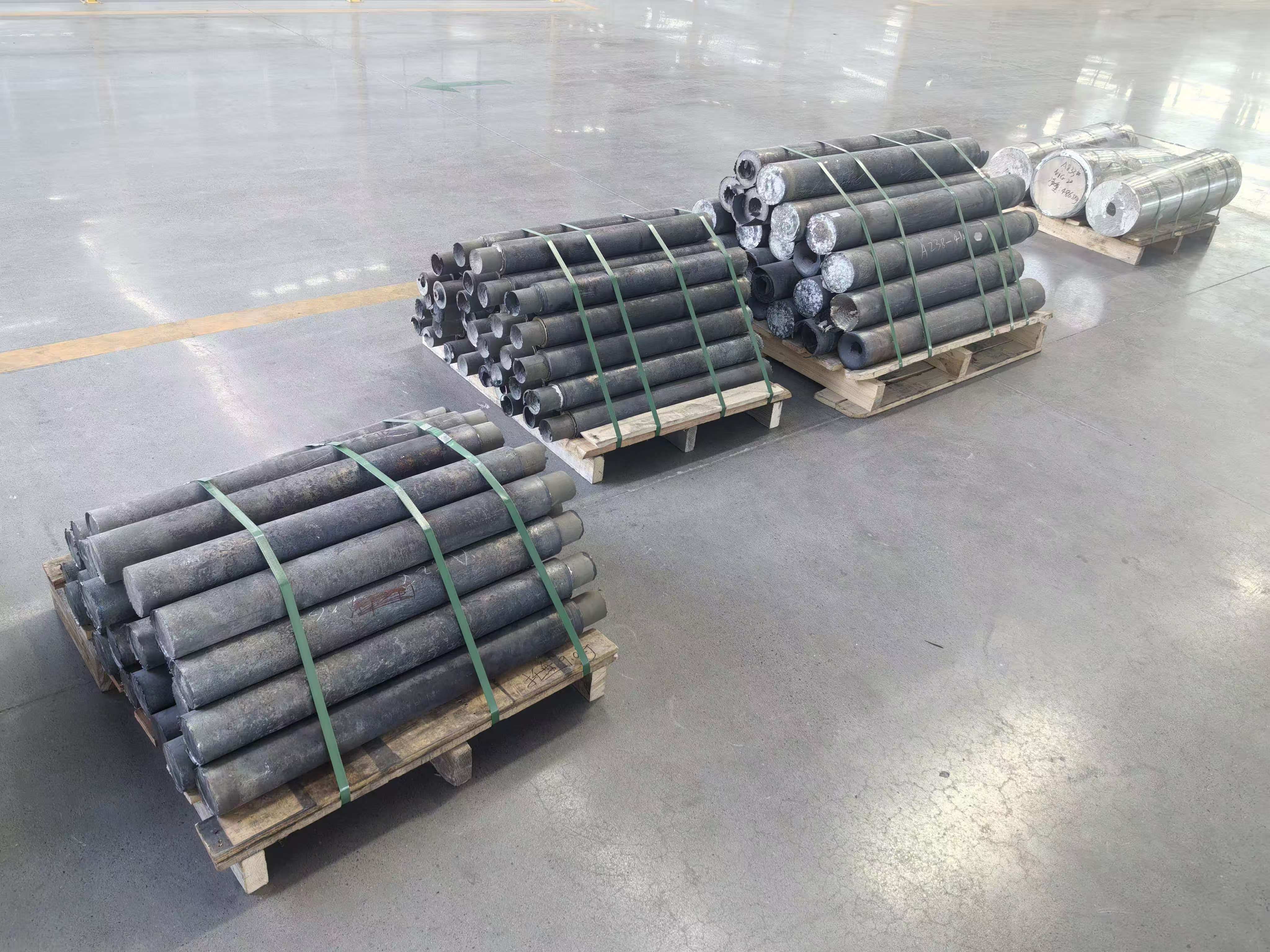
Technical Analysis: Core Advantages and Parameters of Haynes 230
1. High-temperature stabilityLong-term use temperature of Haynes 230 can reach up to 1150°C, while short-term exposure temperature can reach up to 1200°C. The chromium content (22-24%) forms a dense Cr2O3 protective layer, effectively resisting high-temperature oxidation; the addition of molybdenum (13-15%) and tungsten (3-4.5%) enhances the alloy's resistance to thermal corrosion, particularly suitable for environments containing sulfur, chlorine, and other corrosive media.
2. Mechanical propertiesAt 1000℃, the tensile strength of Haynes 230 can reach over 400 MPa, with elongation exceeding 20%, significantly superior to traditional nickel-based alloys. Its grain refinement process achieves a balance between strength and toughness by controlling thermal processing parameters (such as forging temperature 1150-1200℃ and deformation 30-50%).
3. Processing suitability: Qinchuan New Materials, through optimizing the melting process (using vacuum induction melting + electroslag remelting double联工艺), keeps the impurity content (such as S, P) in the alloy below 0.015%, significantly enhancing the material's thermal processing performance. Its cold working deformation rate reaches 15%, suitable for shaping complex structural parts.
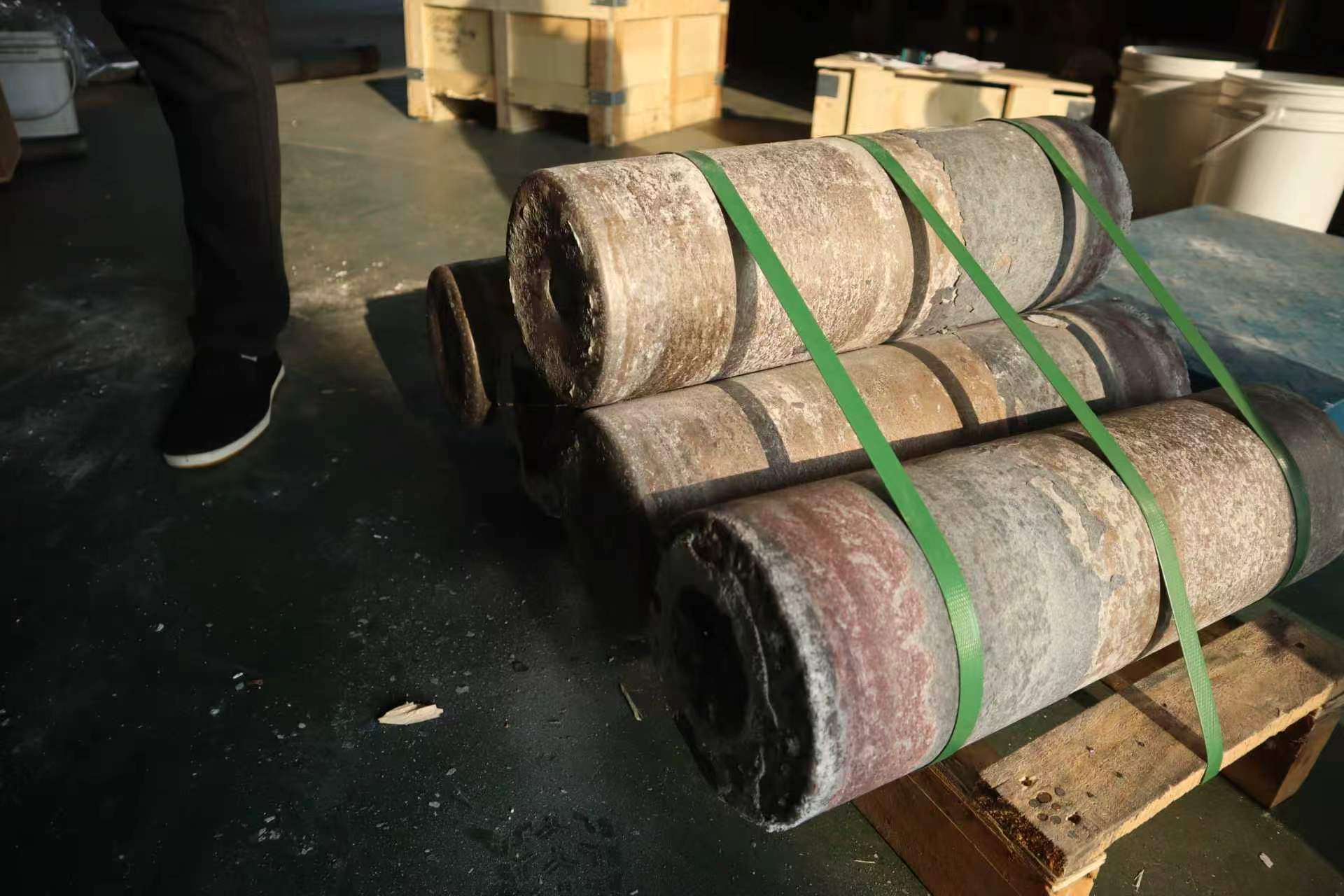
Practical Case: Application of Qinchuan New Materials in Industrial Gas Turbines
1. Project BackgroundA certain energy company requires high-temperature nozzles for gas turbine combustion chambers, with the material to operate continuously without cracks at 1100℃ for 20,000 hours. Traditional Inconel 625 alloy fails to meet the requirement due to insufficient thermal fatigue performance. Qinchuan New Materials recommends Haynes 230 as an alternative solution.
2. Process optimizationFor the thin-walled structure of the nozzle (wall thickness 2mm), Qinchuan New Materials has adjusted the heat treatment parameters: solution treatment at 1180℃/2 hours, air-cooled; aging treatment at 870℃/16 hours, furnace-cooled. By controlling the precipitation form of carbides (mainly M6C type), the thermal fatigue life of the material is improved to 25,000 hours.
3. Test verificationAfter third-party testing, the nozzle has a surface oxidation layer thickness of only 0.02mm after 1000 thermal cycles at 1100°C, with no peeling; the tensile strength at room temperature is 680MPa, with an elongation of 28%, fully meeting the design requirements. Currently, this product has been mass applied to multiple F-class gas turbines domestically.
Tech Layout and Experience Summary of Qingchuan New Materials
Qinchuan New Materials (Zhengzhou) Co., Ltd. is located in the High-tech Zone of Zhengzhou, with an annual production capacity of 500 tons of special alloys. Its R&D center is equipped with scanning electron microscopes (SEM), energy-dispersive spectrometers (EDS), and high-temperature endurance testing machines, enabling the full-process development from composition design to performance verification. In the development of Haynes 230, the company has enhanced product competitiveness through the following technological breakthroughs:
1. Component precise controlThe melting process is monitored in real-time using ICP-OES (Inductively Coupled Plasma Optical Emission Spectrometer), controlling the deviation of alloy elements within ±0.05%.
2. Surface Treatment TechnologyDeveloped a "sandblasting + chemical passivation" composite process, reducing the corrosion rate of the material in a chlorine-containing environment to 0.002mm/year.
3. Failure Analysis SystemEstablish a failure prediction model incorporating metallographic analysis, fracture scanning, and finite element simulation to identify potential risk points in advance.
Currently, Qinchuan New Materials' Haynes230 products have passed international standards certifications such as ASTM B572, AMS 5756, with a cumulative delivery volume exceeding 200 tons, serving customers in aerospace, energy equipment, and other fields. In the future, the company will continue to deepen the research and development of high-temperature alloys, promoting the deep integration of material properties and engineering applications.