 Qingchuan New Materials (Zhengzhou) Co., Ltd.
Qingchuan New Materials (Zhengzhou) Co., Ltd.
Qingchuan New Materials (Zhengzhou) Co., Ltd.
Qingchuan New Materials (Zhengzhou) Co., Ltd.
Qingchuan New Materials (Zhengzhou) Co., Ltd.
I. Technical Background and Product Overview
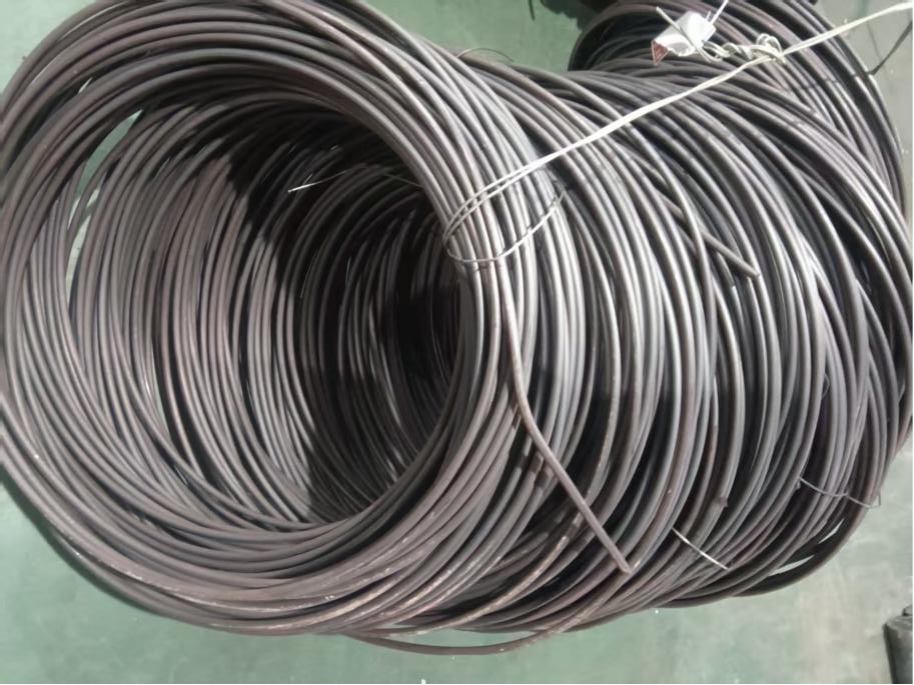
Iron-nickel fixed-expansion precision alloys are functional materials that achieve specific thermal expansion coefficients through precise control of the composition ratio, widely used in aerospace, precision instruments, electronic packaging, and other fields. Qinchuan New Materials (Zhengzhou) Co., Ltd., relying on the modern standard workshops in the Zhengzhou High-Tech Industrial Development Zone, is equipped with internationally advanced special alloy production lines and precision processing equipment. It specializes in the research and manufacturing of high-purity metals and special alloys. Its iron-nickel fixed-expansion alloy products are characterized by uniform composition (≤0.05%) and stable expansion coefficient (±0.5×10⁻⁶/℃), meeting the needs of high-precision applications.
Part II: Technical Analysis: Component Design and Process Control
1. Principle of Component DesignThe iron-nickel fixed expansion alloy achieves precise control of the coefficient of thermal expansion through the synergistic effect of adjusting the nickel content (36%~42%) and trace additives (such as cobalt, manganese). For example, Invar alloy (Fe-36Ni) has a coefficient of expansion close to zero in the temperature range of room temperature to 200°C, suitable for optical instrument bases; while Kovar alloy (Fe-29Ni-17Co) has a coefficient of expansion matching glass, widely used in tube sealing for electronic tubes.
2. Key Process Control PointsQingchuan New Materials employs vacuum induction melting (VIM) and electroslag remelting (ESR) double-refining process to ensure uniformity of alloy composition; through cold rolling plus intermediate annealing (750~850℃) deformation heat treatment, it optimizes the grain structure and enhances the material's mechanical properties (tensile strength ≥ 600MPa, elongation ≥ 25%).
3. Corporate Technical Layout and R&D Strength
Qingchuan New Materials has established a 5,000㎡ R&D center in the High-tech Zone of Zhengzhou, equipped with equipment such as Scanning Electron Microscopy (SEM) and Electron Probe Micro-Analyzer (EPMA), enabling full-process quality control from component analysis to performance testing. Its technical team, led by several material science PhDs, has been the main drafter of the enterprise standard "Technical Specification for Iron-Nickel Fixed Expansion Alloy" and holds 3 invention patents (such as "A low expansion coefficient iron-nickel-cobalt alloy and its preparation method"), covering key links such as alloy composition design and melting process optimization.
4. Application Cases: Precision Electronic Packaging Solutions
1. Project BackgroundA high-end RF device manufacturer needs to solve the issue of焊点开裂 caused by the mismatch in thermal expansion coefficient between traditional packaging materials and ceramic substrates, requiring the packaging frame to have a thermal expansion coefficient of (4.5±0.2)×10⁻⁶/℃ (20~300℃).
2. SolutionQingChuan New Materials custom-develops Fe-Ni-Co series alloys, precisely controlling the expansion coefficient within the target range by adjusting the cobalt content (12%~15%) and annealing process (800℃/2h), while meeting the strength requirements of the packaging frame (tensile strength ≥ 550MPa).
3. On-site EffectivenessThe material, after application in the encapsulation of 5G base station filters, reduces the failure rate of solder joints from 3.2% to 0.1%, extends the product life to over 10 years, and accumulatively saves over 2 million yuan in repair costs for clients.
V. Technical Advantages and Industry Compatibility
Qingchuan New Materials' iron-nickel shape memory alloy products have three core advantages:
1. Customizable ingredientsAdjust nickel and cobalt content according to customer scenario requirements, covering a wide range of expansion coefficients (0~15)×10⁻⁶/℃。
2. Performance stabilityThrough double melting and deformation heat treatment process, ensure the expansion coefficient fluctuation between batches is ≤0.3×10⁻⁶/℃。
3. Processing suitabilitySupports full-process processing including cold rolling, heat treatment, precision cutting, etc., with minimum thickness of 0.05mm, meeting the requirements of microelectronic packaging.
This material has been successfully applied in fields such as aerospace (satellite optical bracket), precision instruments (laser interferometer base), and electronic packaging (power device frame), becoming the preferred solution for thermal expansion matching issues in high-precision scenarios.