 Qingchuan New Materials (Zhengzhou) Co., Ltd.
Qingchuan New Materials (Zhengzhou) Co., Ltd.
Qingchuan New Materials (Zhengzhou) Co., Ltd.
Qingchuan New Materials (Zhengzhou) Co., Ltd.
Qingchuan New Materials (Zhengzhou) Co., Ltd.
I. Technical Background and Product Positioning
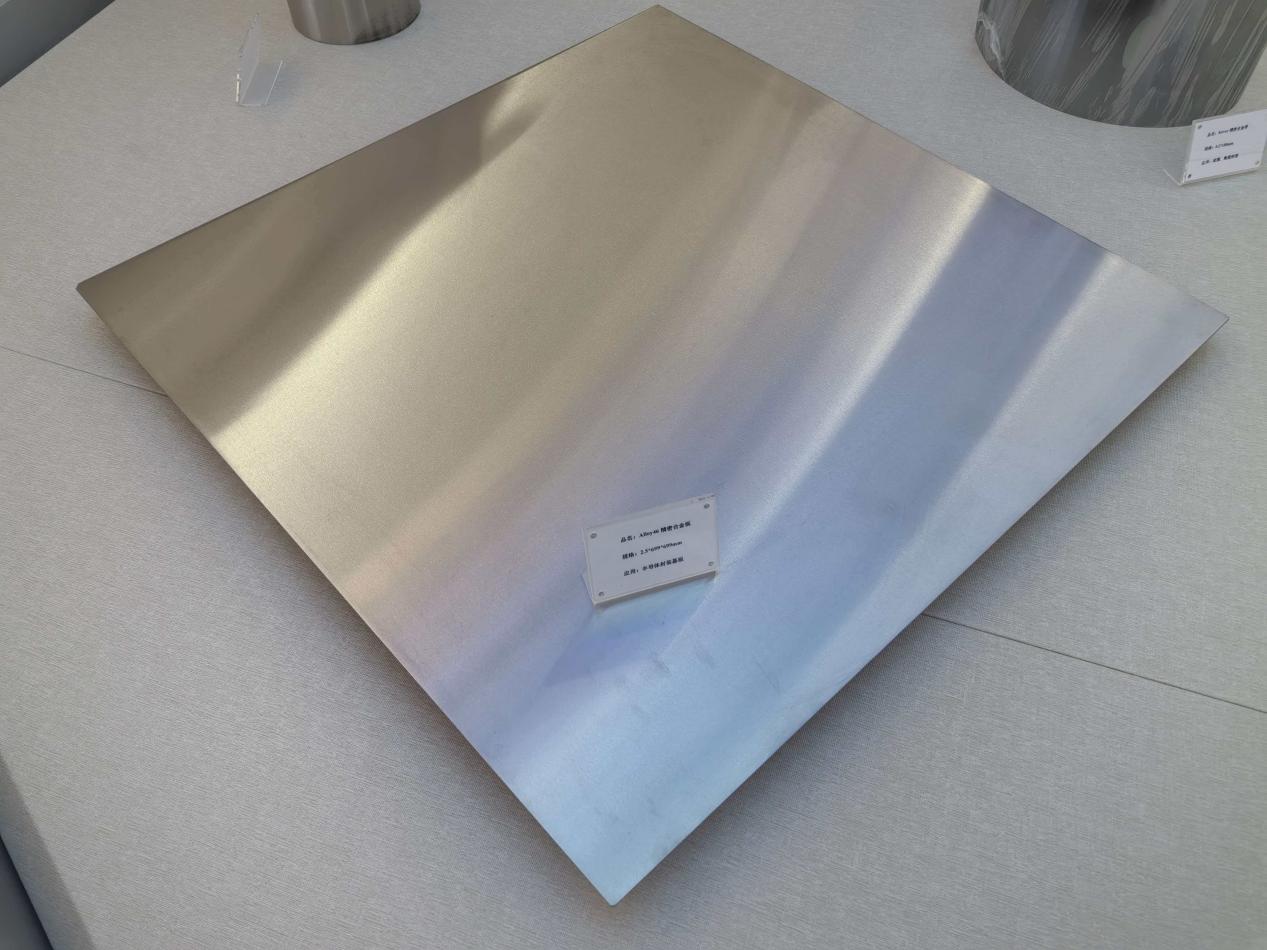
Fe-Ni Expansion-Controlled Sealing Alloy is a special type of metal material that achieves a specific coefficient of thermal expansion (CTE) through component design. Its core function lies in solving the interface stress issues of heterogeneous materials (such as metals, ceramics, and glass) during thermal cycles. Qinchuan New Materials (Zhengzhou) Co., Ltd., relying on its independently developed precision alloy production line, focuses on high-purity raw material ratios and micro-alloying processes, and has developed a series of products with expansion coefficients ranging from (2.0~12.0)×10⁻⁶/℃,which can accurately match the needs of different sealing scenarios.
Section 2: Corporate Technical Strength and Process Layout
Qinchuan New Materials is located in the Zhengzhou High-Tech Industrial Development Zone, featuring modern standard workshops and full-process analysis and testing capabilities. Its iron-nickel alloy production line adopts a vacuum induction melting (VIM) and electroslag remelting (ESR) double-process technology, ensuring material composition uniformity ≤0.05% and impurity element content (such as C, S, P) below 50ppm. By introducing cold rolling-annealing multi-pass deformation heat treatment technology, the grain size of the alloy can be controlled at ASTM 5~8 levels, significantly improving the material's mechanical properties and thermal stability. The company's field emission scanning electron microscope (FE-SEM) and energy dispersive spectrometer (EDS) can monitor the phase structure of the alloy in real time, providing data support for process optimization.
3. Core Parameters and Performance Indicators
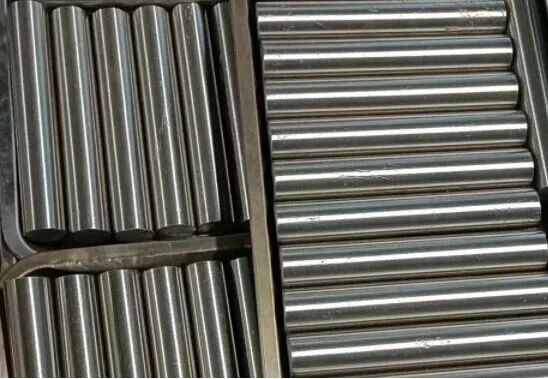
Taking Qinchuan New Materials' main product 4J29 alloy as an example, its typical composition is Ni 28.5%~29.5%, Co 16.8%~17.8%, with the remainder being Fe. The material has an average thermal expansion coefficient of (4.6±0.1)×10⁻⁶/℃ within the temperature range of -60℃ to 400℃, with a match degree of over 98% with borosilicate glass (CTE≈4.7×10⁻⁶/℃). After 1000 thermal cycles tests (-40℃~200℃), no cracks or delamination appeared at the sealing interface, and the airtightness is better than 1×10⁻¹¹ Pa·m³/s (leak detection by helium method). In addition, the tensile strength of 4J29 alloy is ≥520MPa, elongation is ≥35%, which can meet the stamping forming requirements for complex structural components.
Four, Analysis of Typical Application Cases
In an inertial navigation system project of a certain aerospace company, the 4J29 alloy provided by Qinchuan New Materials successfully resolved the sealing challenge between the gyroscope housing and the quartz glass viewport. The project required the material to maintain zero stress at the interface under temperature variations from -55℃ to 125℃, and to pass the salt spray test (96h) according to GJB 150.5A-2009. By adjusting the Co/Ni ratio in the alloy to 0.61, the Qinchuan team precisely controlled the material's CTE to 4.62×10⁻⁶/℃,and achieved a monolithic sealing structure through laser welding technology. Ground simulation tests have verified that this solution extends the gyroscope's lifespan to 100,000 hours, three times longer than the traditional method, and it is now in mass application in multiple missile guidance systems.
V. Technical Advantages and Industry Value
Qinchuan New Materials' iron-nickel fixed expansion sealing alloy boasts three core advantages: Firstly, the component design has high flexibility, allowing the CTE to be continuously adjustable within the range of 2.0~12.0×10⁻⁶/℃ by adjusting the proportions of elements such as Ni, Co, and Mn; secondly, the process stability is strong, with full-process digital control ensuring performance fluctuations between batches are ≤3%; thirdly, the application scenarios are extensive, covering microwave devices, vacuum electronics, medical imaging, and more. According to the company's technical director, the R&D team is exploring nano precipitation strengthening technology, aiming to elevate the alloy's maximum usage temperature to 500℃, further expanding the high-end sealing market.