 Qingchuan New Materials (Zhengzhou) Co., Ltd.
Qingchuan New Materials (Zhengzhou) Co., Ltd.
Qingchuan New Materials (Zhengzhou) Co., Ltd.
Qingchuan New Materials (Zhengzhou) Co., Ltd.
Qingchuan New Materials (Zhengzhou) Co., Ltd.
I. Technical Positioning and Industry Value of Iron-Nickel Determinate Expansion Sealing Alloys
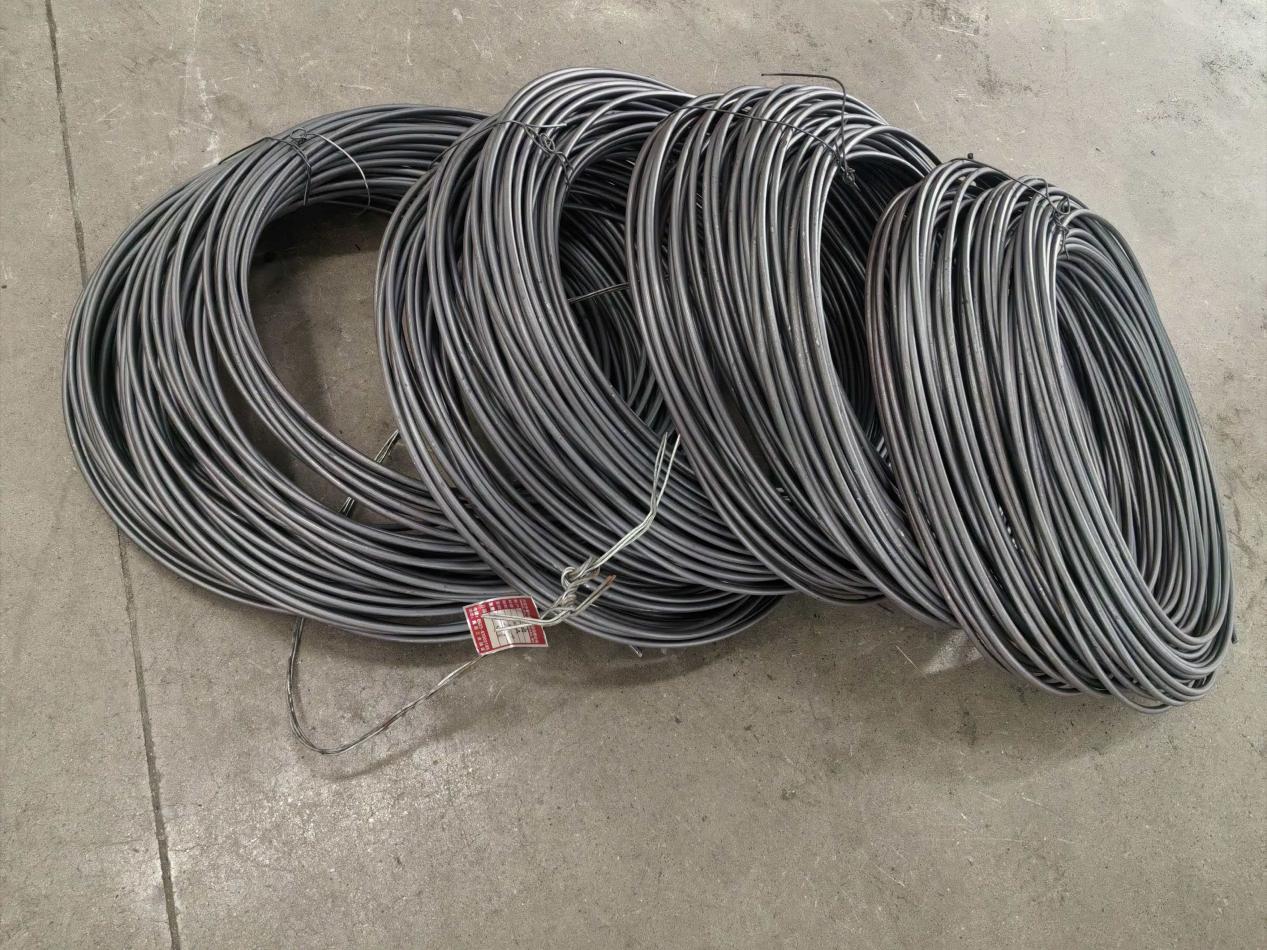
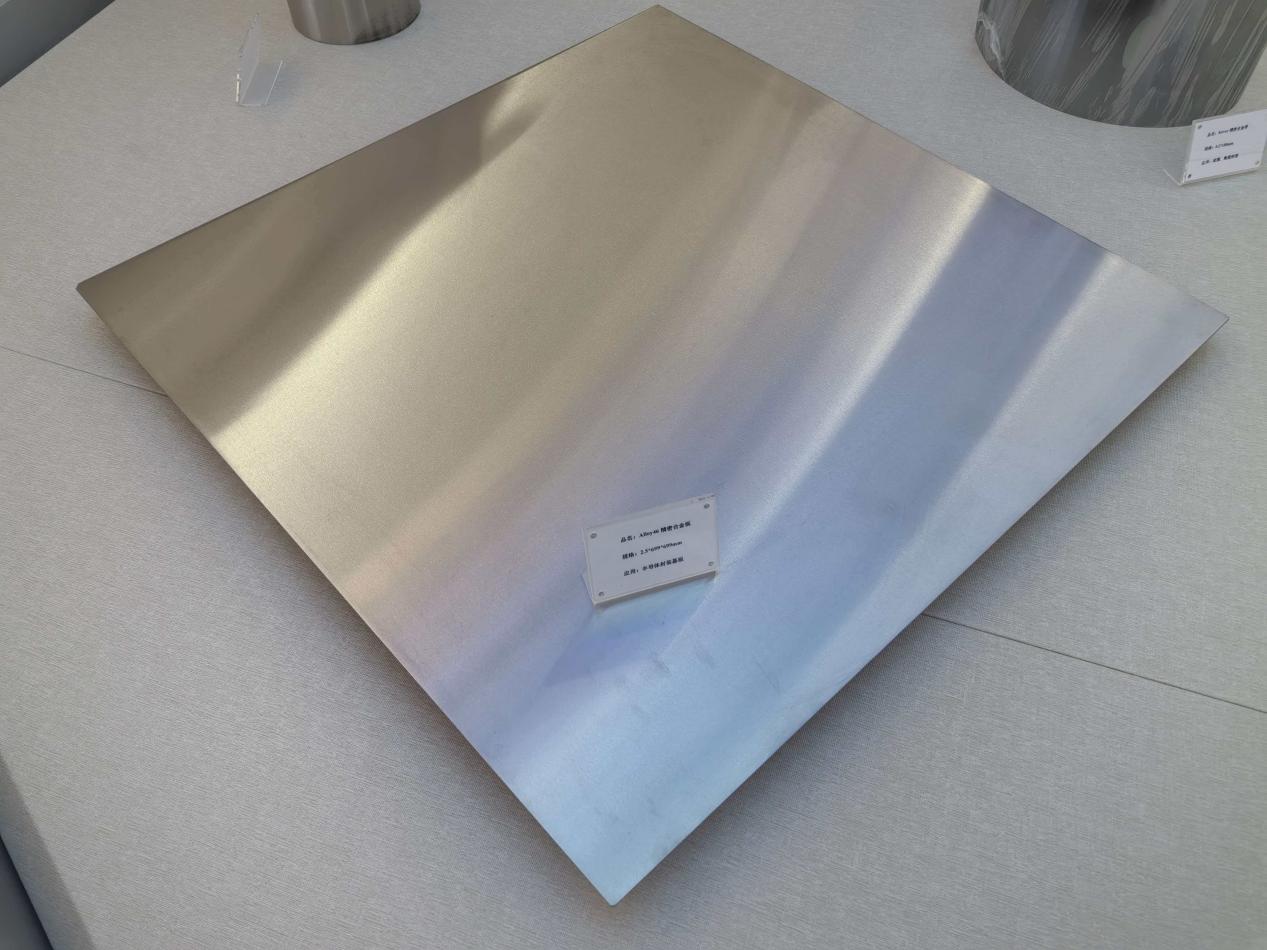
Fe-Ni Expansion-Controlled Sealing Alloy is a special alloy material that achieves a specific thermal expansion coefficient through precise control of the iron-nickel ratio. Its core function is to solve the sealing failure problem caused by the difference in thermal expansion coefficients between different materials. In fields such as electronic packaging, aerospace, and precision instruments, this material can effectively avoid issues such as stress concentration and interface cracking caused by temperature changes, becoming a key material for ensuring equipment reliability. Qinchuan New Materials (Zhengzhou) Co., Ltd., relying on its independently developed precision alloy production line, has formed a series of products covering mainstream brands such as 4J29, 4J36, with an annual production capacity of 500 tons. The product's thermal expansion coefficient accuracy is controlled within ±1×10⁻⁶/℃,meeting the high-precision requirements of semiconductor packaging, vacuum electronic devices, and other applications.
Part Two: Technical Analysis: Alloy Composition Design and Performance Regulation Mechanism
The performance core of the iron-nickel fixed expansion sealing alloy lies in achieving precise matching of the coefficient of thermal expansion through component design. Taking the 4J29 alloy as an example, its typical composition is 44.5% Ni, 53.5% Fe, and 2% Co. By adding cobalt, the Curie temperature point can be further optimized, ensuring the alloy maintains stable thermal expansion characteristics within the temperature range of -60℃ to 200℃. Qichuan New Materials adopts a vacuum induction melting + electroslag remelting double process to ensure the uniformity of alloy composition ≤0.05% and impurity content (such as S, P) ≤0.005%, thereby avoiding performance fluctuations caused by microsegregation. In the heat treatment process, the company has developed a stepwise annealing process, controlling the heating rate (≤50℃/h) and holding time (4-6 hours) to achieve grain size reaching ASTM 6-8 levels, significantly improving the processing performance and sealing reliability of the material.
Chapter 3: Corporate Technical Layout: Full Chain Capabilities from Research and Development to Mass Production
Qingchuan New Materials' technical layout in the iron-nickel fixed expansion sealing alloy field covers three major dimensions: fundamental research, process development, and equipment customization. The company has a 500㎡ special alloy laboratory equipped with scanning electron microscopes (SEM), energy dispersive spectrometers (EDS), and dilatometer (DIL) for full-process testing from composition design to performance verification. On the production side, the company has introduced German ALD vacuum melting furnaces and Japanese Matsuura high-precision rolling machines, combined with independently developed intelligent control systems, achieving precise control with melting temperature fluctuations ≤±5℃ and rolling thickness deviations ≤±0.01mm. In addition, the company has established 12 quality inspection procedures covering the entire process from raw material entry to finished product shipment, ensuring compliance with international and domestic standards such as ASTM B753, GB/T 15018.
4. Application Cases: Practice and Effectiveness in Semiconductor Packaging Field
In a semiconductor packaging project, Qinchuan New Materials' 4J29 alloy successfully resolved the interface cracking issue during the sealing of traditional Kovar alloy (4J29's US brand) with ceramic substrates. In this project, the customer required the sealed components to maintain airtightness under a temperature cycle of -55℃ to 150℃ (leakage rate ≤ 1×10⁻⁹ Pa·m³/s), with traditional materials experiencing a failure rate as high as 30% due to mismatched thermal expansion coefficients. The Qinchuan technical team adjusted the cobalt content in the alloy to 1.8%, optimizing the thermal expansion coefficient to 5.2×10⁻⁶/℃,increasing the match with ceramic substrates (α=5.8×10⁻⁶/℃) to 93%. After 6 months of continuous testing, the leakage rate of the sealed components stabilized below 5×10⁻¹⁰ Pa·m³/s, with the yield rate improving from 70% to 98%, resulting in a 22% reduction in the customer's overall cost.
V. Technical FAQ: Common Questions and Solutions
Q1: What are the processing difficulties of iron-nickel fixed expansion sealing alloy?
A: The processing difficulties of this alloy lie in its high strength and low plasticity. Qinchuan New Materials controls the hardness of the alloy at HRB 85-95 by optimizing the heat treatment process (such as using 1020℃ solid solution treatment + 780℃ aging treatment), and improves the cutting performance by adding 0.1% cerium element, thereby increasing the turning efficiency by 40%.
Q2: How to choose the appropriate sealing alloy grade?
A: Selection should be based on the thermal expansion coefficient of the sealing material, the temperature range of use, and the sealing process. For example, when sealing with glass, 4J29 (α=4.6×10⁻⁶/℃) is preferred, while for ceramic sealing, options include 4J36 (α=1.5×10⁻⁶/℃) or customized grades. Qinchuan New Materials offers free technical consulting services and can recommend the best solution according to the specific needs of the customer.
Q3: How is the long-term stability of the alloy ensured?
A: Qinchuan New Materials ensures product stability through a rigorous quality control system. All batches must pass a 48-hour high-temperature aging test (300℃) and 100 thermal cycle tests (-60℃ to 200℃) to guarantee a coefficient of thermal expansion change rate of ≤±0.5%. Additionally, the company establishes a product traceability system, enabling full-process traceability from raw material batches to finished product test data.