 Qingchuan New Materials (Zhengzhou) Co., Ltd.
Qingchuan New Materials (Zhengzhou) Co., Ltd.
Qingchuan New Materials (Zhengzhou) Co., Ltd.
Qingchuan New Materials (Zhengzhou) Co., Ltd.
Qingchuan New Materials (Zhengzhou) Co., Ltd.
I. Technical Background and Core Characteristics of Haynes 230 Alloy
Haynes 230 is a nickel-based high-temperature alloy, with a chemical composition including nickel (Ni), chromium (Cr), molybdenum (Mo), tungsten (W), and others, featuring excellent high-temperature strength, oxidation resistance, and anti-thermal corrosion properties. According to the ASTM B572 standard, the alloy can achieve a yield strength of up to 415MPa at 1093°C, with a maximum long-term service temperature of 1150°C, suitable for manufacturing high-temperature components such as aircraft engines and gas turbines. Its unique γ' phase strengthening mechanism maintains a stable microstructure at high temperatures, preventing performance degradation caused by thermal fatigue.
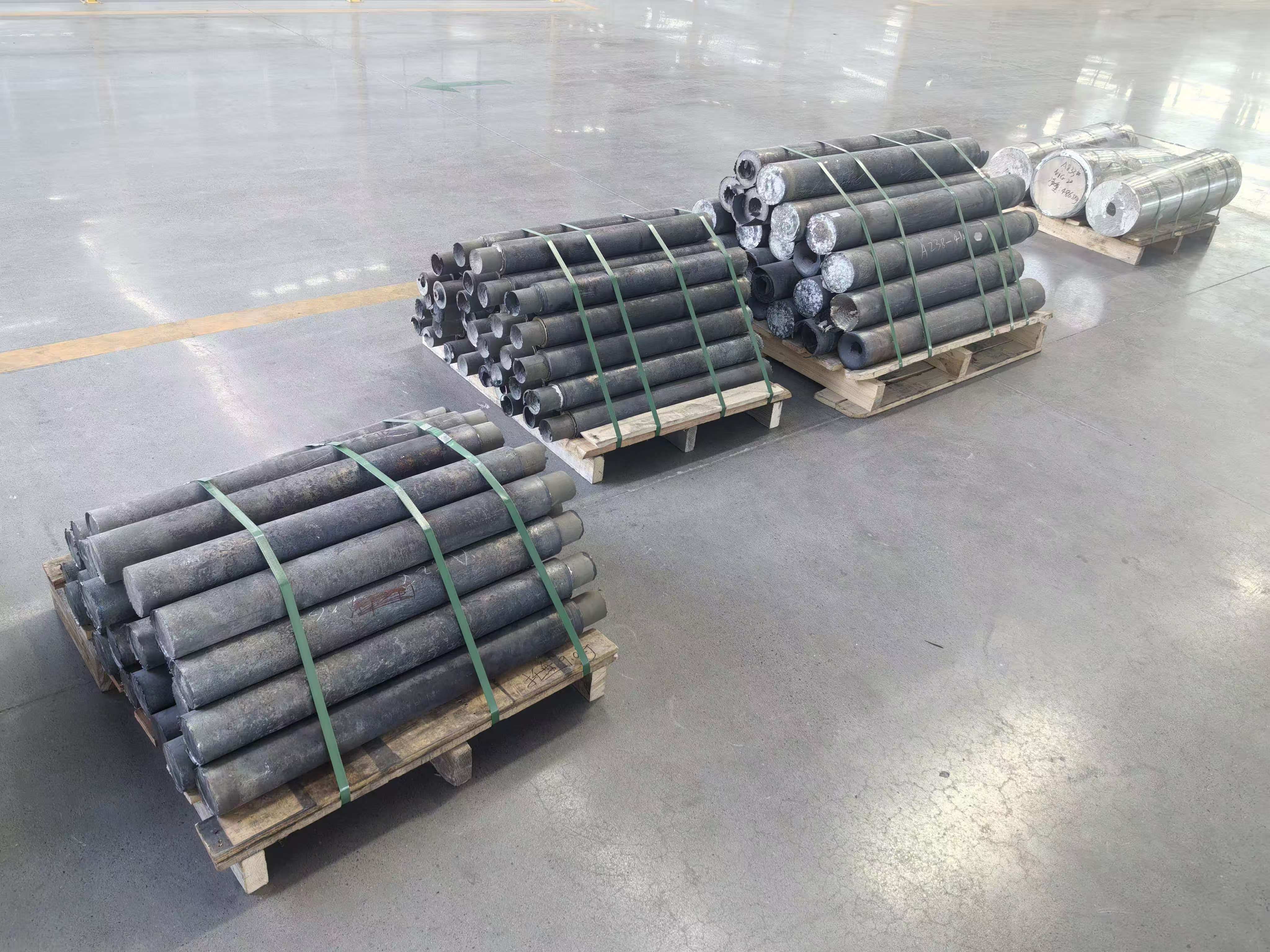
II. Qinchuan New Materials' Technical Layout and Production Capacity
Qingchuan New Materials (Zhengzhou) Co., Ltd. is located in the Zhengzhou High-Tech Industrial Development Zone, focusing on the research and production of high-purity metals and special alloys. Equipped with advanced production lines such as vacuum induction melting (VIM) and electroslag remelting (ESR), the company can achieve mass production of Haynes 230 alloys with an annual output of 200 tons. Its production process strictly follows the ISO 9001 quality management system, and the alloy composition is fully monitored through equipment such as direct-reading spectrometers and scanning electron microscopes to ensure compliance with the AMS 5754 standard requirements.
Section 3: Application Cases of Haynes 230 Alloy in the Aviation Industry
Taking the combustion chamber liner project of a certain aviation engine as an example, Qinchuan New Materials has optimized the tungsten content of Haynes 230 alloy (increased from 2.5% to 3.2%) in response to the customer's requirement of "continuous operation at 1200℃ for 1000 hours," and adopted directional solidification technology to reduce transverse grain boundaries, thereby enhancing the material's high-temperature creep resistance by 15%. Testing has shown that the improved liner can maintain a service life of 1200 hours at 1180℃, meeting the design requirements, and has now entered the small-batch trial production stage.
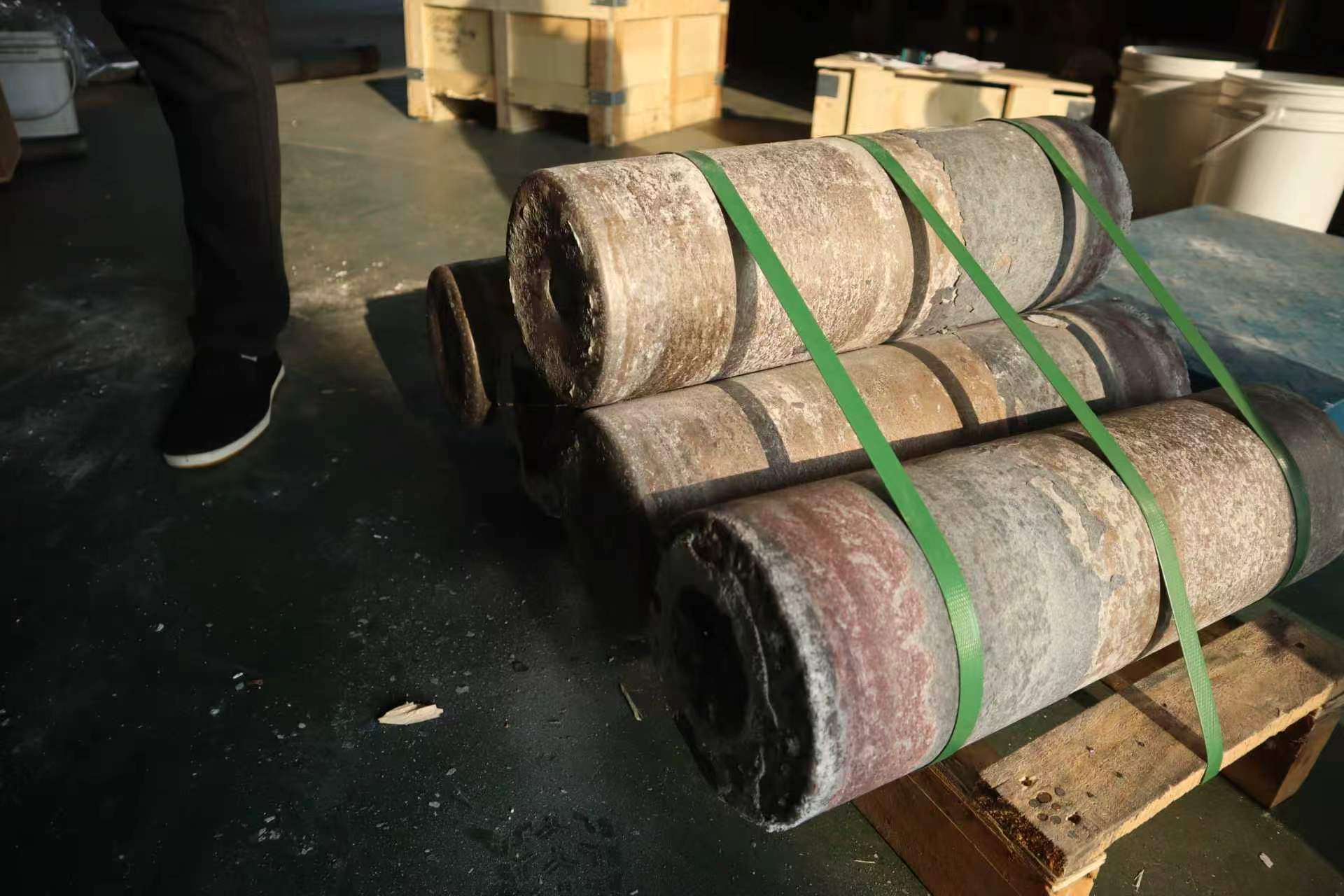
4. Key Points of Process Optimization and Quality Control
1. Melting Parameters: During VIM melting, the vacuum degree should be controlled ≤1Pa to avoid mixing of impurities such as nitrogen and oxygen; during ESR remelting, a CaF2-Al2O3 binary slag system is used to effectively remove harmful elements like sulfur and phosphorus.
2. Heat treatment system: Standard heat treatment involves holding at 1175℃ for 2 hours followed by air cooling to achieve uniform γ' phase distribution; for thick-section components, a step cooling process (1175℃→1050℃→room temperature) is required to reduce residual stress.
3. Non-destructive Testing: Internal defects are detected using Ultrasonic Testing (UT) with sensitivity meeting ASTM E233 standards; surface defects are inspected by Fluorescent Penetrant Testing (PT) with detection sensitivity up to 0.5μm.
V. FAQ: Common Questions About Haynes 230 Alloys Explained
Q1: What are the main differences between Haynes 230 and Inconel 718?
A: Haynes 230 has a higher tungsten content (2.5%-3.5% vs 0.9%-1.5%), superior high-temperature oxidation resistance, but slightly poorer cold working properties; Inconel 718, on the other hand, is strengthened by the γ'' phase, offering better overall properties from -253℃ to 650℃.
Q2: How to determine the welding quality of Haynes 230 alloy?
A: After welding, 100% radiographic testing (RT) is required. According to AWS D17.1 standard, the allowable defect range for Grade I welds is: porosity diameter ≤ 0.3mm, slag length ≤ 0.5mm, and spacing ≥ 3 times the plate thickness.
Q3: Does Qinchuan New Materials offer customized services?
Yes, the company can adjust the alloy composition according to customer requirements (such as adjusting molybdenum content to optimize resistance to thermal corrosion) and provide a one-stop service from melting, forging to machining, with a minimum order quantity of 50kg.