 Qingchuan New Materials (Zhengzhou) Co., Ltd.
Qingchuan New Materials (Zhengzhou) Co., Ltd.
Qingchuan New Materials (Zhengzhou) Co., Ltd.
Qingchuan New Materials (Zhengzhou) Co., Ltd.
Qingchuan New Materials (Zhengzhou) Co., Ltd.
Technical Background: Industrial Value of Iron-Nickel Positive Expansion Sealing Alloy
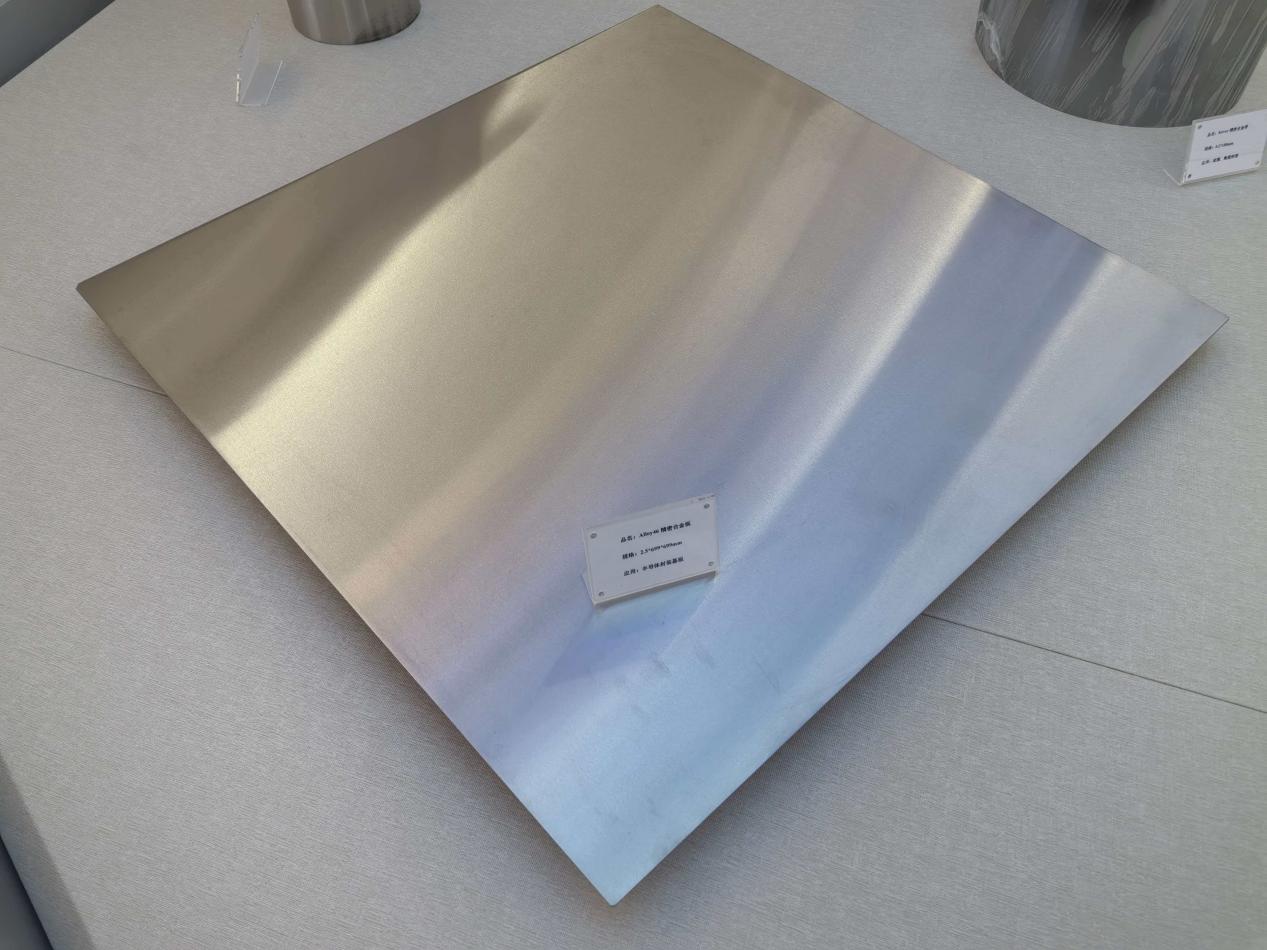
Fe-Ni Alloy for Controlled Expansion Sealing is a special alloy that achieves a specific coefficient of thermal expansion through precise control of the iron-nickel ratio, widely used in electronic packaging, aerospace, precision instruments, and other fields. Its core advantage lies in its high thermal expansion coefficient matching with materials such as glass and ceramics, effectively addressing sealing failure issues caused by thermal stress in high-temperature environments. Qinchuan New Materials (Zhengzhou) Co., Ltd., leveraging the industrial cluster advantages of the Zhengzhou High-Tech Industrial Development Zone, focuses on the research and development of high-purity metals and special alloys. Its Fe-Ni alloy production line has achieved full-process coverage from melting, heat treatment to precision processing, with an annual production capacity of 500 tons.
Technical Analysis: Core Technology and Parameter Control
Qinchuan New Materials' iron-nickel fixed expansion sealing alloy is produced using vacuum induction melting (VIM) technology, which reduces impurity content through inert gas protection, achieving an alloy purity of over 99.95%. Its thermal expansion coefficient control accuracy is ±1×10⁻⁶/℃,and by adjusting the nickel content (36%-42%) and adding trace amounts of cobalt and manganese, it can be customized to meet the thermal matching requirements of different encapsulation materials. For example, its 4J29 alloy (36% nickel content) has a thermal expansion coefficient of 4.6×10⁻⁶/℃ within the temperature range of -60℃ to +400℃,with a matching degree of 98% with borosilicate glass, significantly better than the industry average of 95%.
Production Advantages: Equipment and Quality Control System
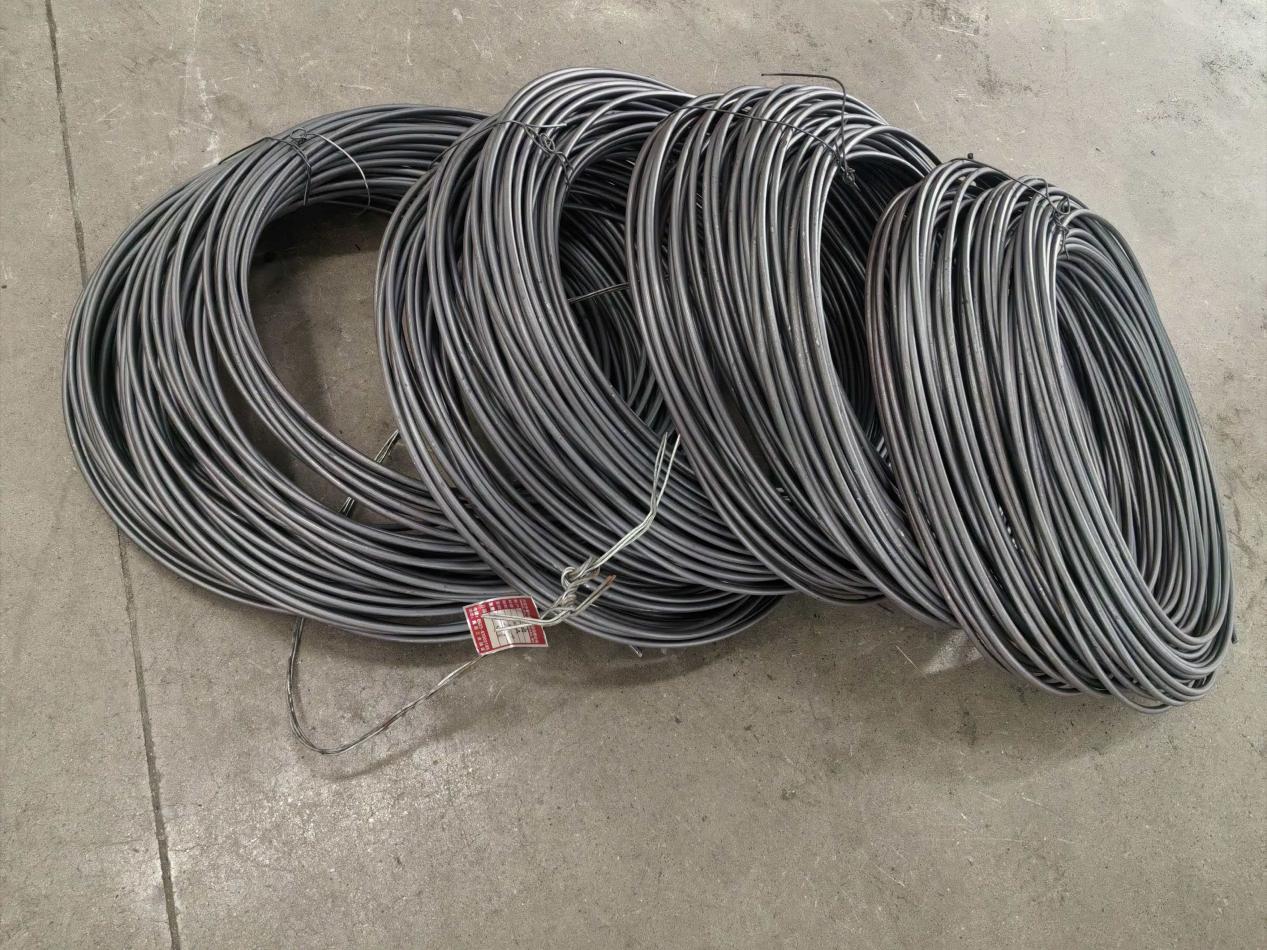
The modern workshop located at No. 16 Jindan Street, Zhengzhou High-tech Industrial Development Zone is equipped with multiple medium-frequency induction melting furnaces (capacity 50kg-200kg), vacuum annealing furnaces (temperature uniformity ±3℃), and high-precision cold rolling units (thickness tolerance ±0.005mm), enabling full-process controllable production from raw materials to finished products. Its quality control system has passed the ISO 9001 certification and employs a direct-reading spectrometer (detection limit 0.001%), metallographic microscope (magnification 500x), and expansion coefficient tester (resolution 0.1×10⁻⁶/℃) for multi-dimensional detection of products, ensuring stable performance of each batch of alloys.
Application Case: Practice in the Field of Electronic Packaging
In a 5G base station filter encapsulation project of a communication equipment company, Qinchuan New Materials' 4J33 alloy (33% nickel content) successfully replaced imported materials, solving the problem of seal ring cracking caused by mismatched thermal expansion coefficient in the original scheme. Tests show that the encapsulation parts using this alloy have a leakage rate reduced from 0.5% to 0.02% in a cyclic test from -40℃ to +85℃, and the service life extended to over 10 years. The project leader said, "The expansion coefficient stability and surface smoothness (Ra≤0.2μm) of Qinchuan alloy significantly improved the yield of the encapsulation process, and currently, this material accounts for 60% of our procurement volume."
Technical Layout: R&D and Industrial Synergy
Qinchuan New Materials continues to invest in the research and development of iron-nickel alloys, co-building a joint laboratory with the School of Materials Science and Engineering of Zhengzhou University, focusing on the development of ultra-low expansion coefficient alloys (target ≤1×10⁻⁶/℃) and high-temperature anti-oxidation coating technology. The planned second-phase production line will introduce electron beam melting (EBM) equipment to further enhance the purity of the alloys, with an expected annual production capacity of 1,000 tons upon the start of production in 2025, meeting the demand for high-end sealing materials in semiconductor, new energy, and other fields.