 Qingchuan New Materials (Zhengzhou) Co., Ltd.
Qingchuan New Materials (Zhengzhou) Co., Ltd.
Qingchuan New Materials (Zhengzhou) Co., Ltd.
Qingchuan New Materials (Zhengzhou) Co., Ltd.
Qingchuan New Materials (Zhengzhou) Co., Ltd.
I. Technical Background and Core Advantages of Iron-Nickel Determinate Expansion Sealing Alloy
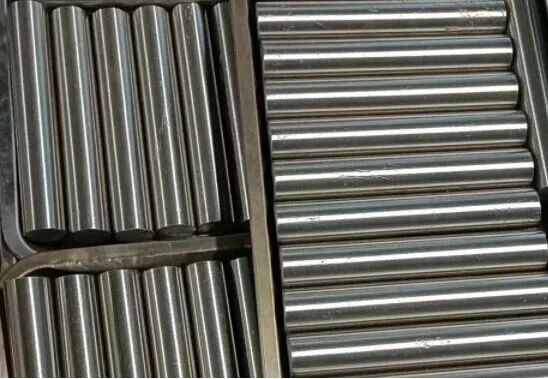
Iron-nickel fixed expansion sealing alloy is a special alloy that achieves thermal expansion coefficient matching with materials such as glass and ceramics by precisely controlling the proportion of iron (Fe) and nickel (Ni) (usually containing 42%-50% nickel). Its core advantages are: 1) a wide adjustable range of thermal expansion coefficient (4.5×10⁻⁶/℃ to 9.0×10⁻⁶/℃), suitable for different encapsulation materials; 2) excellent high-temperature stability, with less than ±0.5×10⁻⁶/℃ fluctuation in expansion coefficient within the range of -50℃ to 400℃; 3) good processing properties, capable of achieving thickness precision control from 0.05mm to 3mm through cold rolling, heat treatment, and other processes. Qinchuan New Materials (Zhengzhou) Co., Ltd. relies on its independently developed vacuum melting technology to raise the purity of the alloy to over 99.95%, significantly reducing the impact of impurities on the expansion coefficient, providing a fundamental guarantee for high-precision encapsulation.
Part Two: Technical Layout and Processing Capabilities of Qingchuan New Materials
Qinchuan New Materials is located in the Zhengzhou High-tech Industrial Development Zone, with modern standard workshops and three special alloy dedicated production lines. Equipped with a German-imported vacuum induction melting furnace (maximum melting capacity of 500kg), a four-roll cold rolling machine (thickness accuracy ±0.005mm), and a laser cutting equipment (cutting accuracy ±0.02mm). In the analysis and testing phase, the company is equipped with a direct-reading spectrometer (element detection range C-U), a metallographic microscope (magnification range 100-1000 times), and a thermal expansion coefficient tester (test temperature range -150℃ to 1000℃), forming a full-process quality control system from raw materials to finished products. Taking a 5G communication base station filter encapsulation project as an example, Qinchuan New Materials, by adjusting the nickel content to 46.5%, precisely matched the alloy expansion coefficient with the ceramic substrate (6.8×10⁻⁶/℃), successfully reducing the encapsulation leakage rate from the industry average of 3×10⁻⁸ Pa·m³/s to 0.8×10⁻⁸ Pa·m³/s, significantly improving equipment reliability.
Section 3: Typical Application Scenarios and Operational Key Points of Iron-Nickel Positive Expansion Alloys
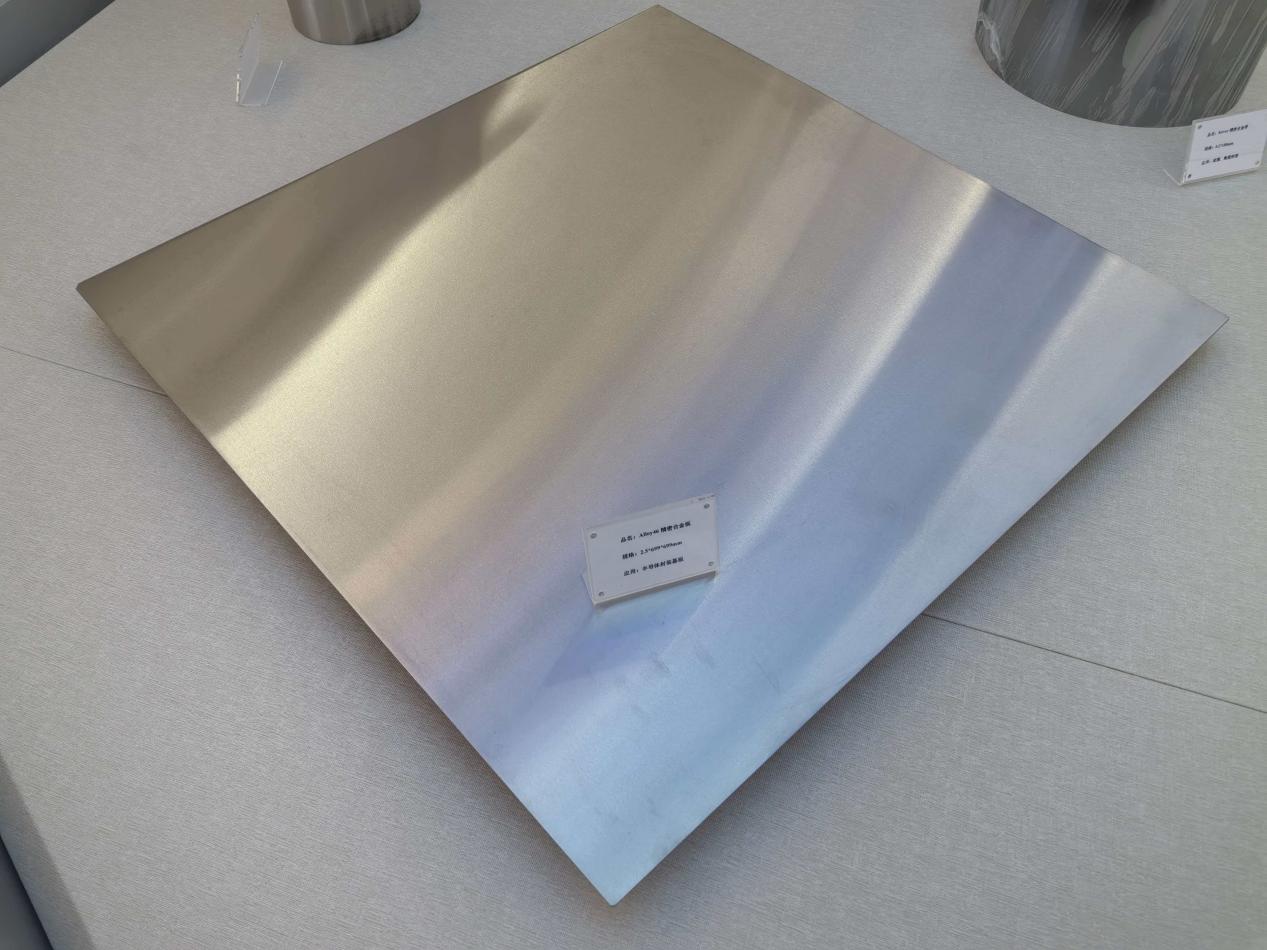
In the field of electronic packaging, iron-nickel shape memory alloys are mainly used for: 1) metal-ceramic sealing of vacuum electronic devices (such as traveling wave tubes, magnetrons); 2) heat sink and chip connection of semiconductor power devices; 3) high-sealing packaging for aerospace sensors. In practical operations, three parameters need to be paid close attention to: 1) heat treatment process (usually adopting 1050℃ solid solution treatment + 450℃ aging treatment to eliminate processing stress); 2) surface treatment (using electrolytic polishing to reduce roughness to below Ra0.2μm, enhancing the bonding strength of the sealing interface); 3) size tolerance control (for sealing rings with a diameter of 50mm, flatness needs to be ≤0.03mm).擎川新材料through the introduction of AI quality prediction system, associates processing parameters with finished product performance, raising the pass rate from 82% to 95%, and shortening the delivery cycle by 30%.
4. Technical Challenges and FAQ Explanation
Q1: How to solve the hysteresis effect when matching the coefficient of expansion of the alloy with glass?
A: The delay effect is mainly caused by residual stress within the alloy. Qinchuan New Materials uses a graded aging treatment process (350℃/2h + 400℃/4h), which increases the stress release rate to 92% and improves the repeatability of the expansion coefficient to better than ±0.3×10⁻⁶/℃.
Q2: How to alleviate the work hardening issue of high-nickel content alloys?
A: For alloys with nickel content > 48%, Qinchuan New Materials reduces the work hardening index from 0.32 to 0.18 by optimizing the cold rolling deformation amount (≤15% per pass) and intermediate annealing temperature (780℃/1h), extending tool life by 40%.
Q3: How to control the delivery cycle for small batch customized orders?
A: The company establishes a modular production line, decomposing processes such as melting, rolling, and heat treatment into standard units. Through a flexible production scheduling system, it achieves the full-process processing of orders from 5kg to 500kg within 72 hours, meeting the fast iteration needs in the R&D stage.