 Qingchuan New Materials (Zhengzhou) Co., Ltd.
Qingchuan New Materials (Zhengzhou) Co., Ltd.
Qingchuan New Materials (Zhengzhou) Co., Ltd.
Qingchuan New Materials (Zhengzhou) Co., Ltd.
Qingchuan New Materials (Zhengzhou) Co., Ltd.
Introduction
Haynes 230 alloy, as a high-performance nickel-based alloy, is widely used in aerospace, energy chemicals, and other fields due to its excellent high-temperature resistance, corrosion resistance, and oxidation resistance. As a company specializing in the research and manufacturing of high-purity metals and special alloys, Qinchuan New Materials (Zhengzhou) Co., Ltd. provides solid technical support for the processing service of Haynes 230 alloy with its advanced technical strength and rich production experience. This article will analyze the processing technology of Haynes 230 alloy in detail and discuss its application value in practical production in combination with Qinchuan New Materials' technical layout and application experience.
Technical Principles and Architecture Design
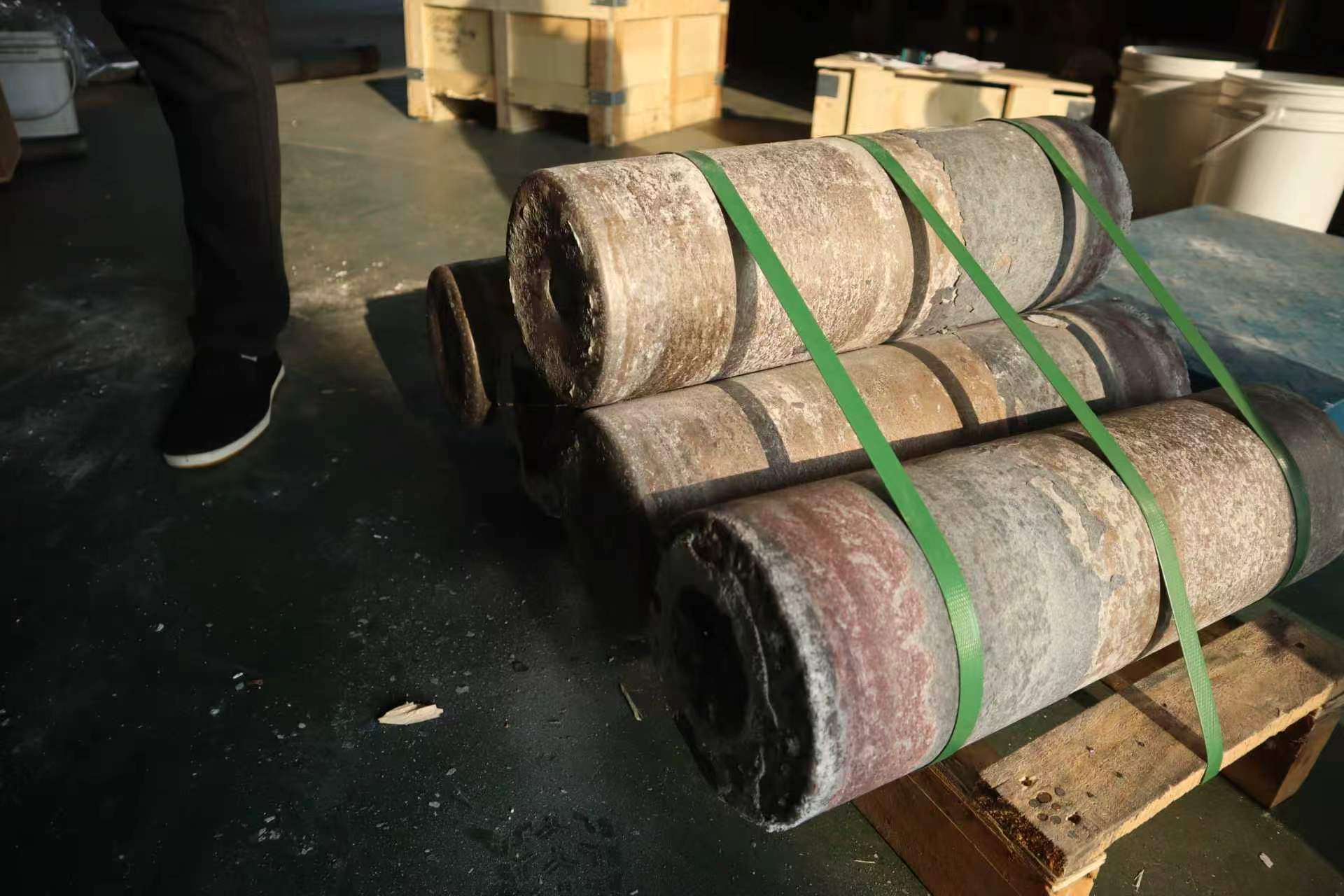
Haynes 230 alloy is primarily composed of elements such as nickel, chromium, and molybdenum. Through precise alloy composition and advanced melting technology, it ensures excellent performance of the alloy. Its technical principle lies in optimizing the interaction between alloy elements to form a stable crystal structure, thus maintaining high strength and good oxidation resistance in high-temperature environments. In the processing process, Qichuan New Materials adopts advanced vacuum induction melting technology, combined with precise forging and heat treatment processes, to ensure the purity and uniformity of the Haynes 230 alloy, providing a high-quality material foundation for subsequent processing.
Processing Process and Parameter Explanation
The processing process of Haynes 230 alloy includes melting, forging, heat treatment, machining, and more. In the processing, Qinchuan New Materials strictly controls the parameters of each stage, such as melting temperature, forging ratio, heat treatment temperature and time, to ensure the stability of the alloy's performance. For example, in the melting stage, vacuum induction melting technology is used to control the melting temperature between 1600-1650℃, effectively preventing the volatilization and oxidation of alloy elements; in the forging stage, through reasonable forging ratio design, the alloy structure is refined, improving the mechanical properties of the material.
Tech Strength and Layout of Qinchuan New Materials
Qingchuan New Materials (Zhengzhou) Co., Ltd. is located in the Zhengzhou High-Tech Industrial Development Zone, featuring modern standard workshops and advanced production lines. The company is equipped with high-precision processing equipment and has established a comprehensive quality inspection system to ensure that every batch of Haynes230 alloy meets high-quality standards. In addition, the company emphasizes technological research and innovation, continuously optimizing the processing technology, improving production efficiency and product quality, and providing customers with better subcontracting services.
Case Studies and Post-Implementation Review
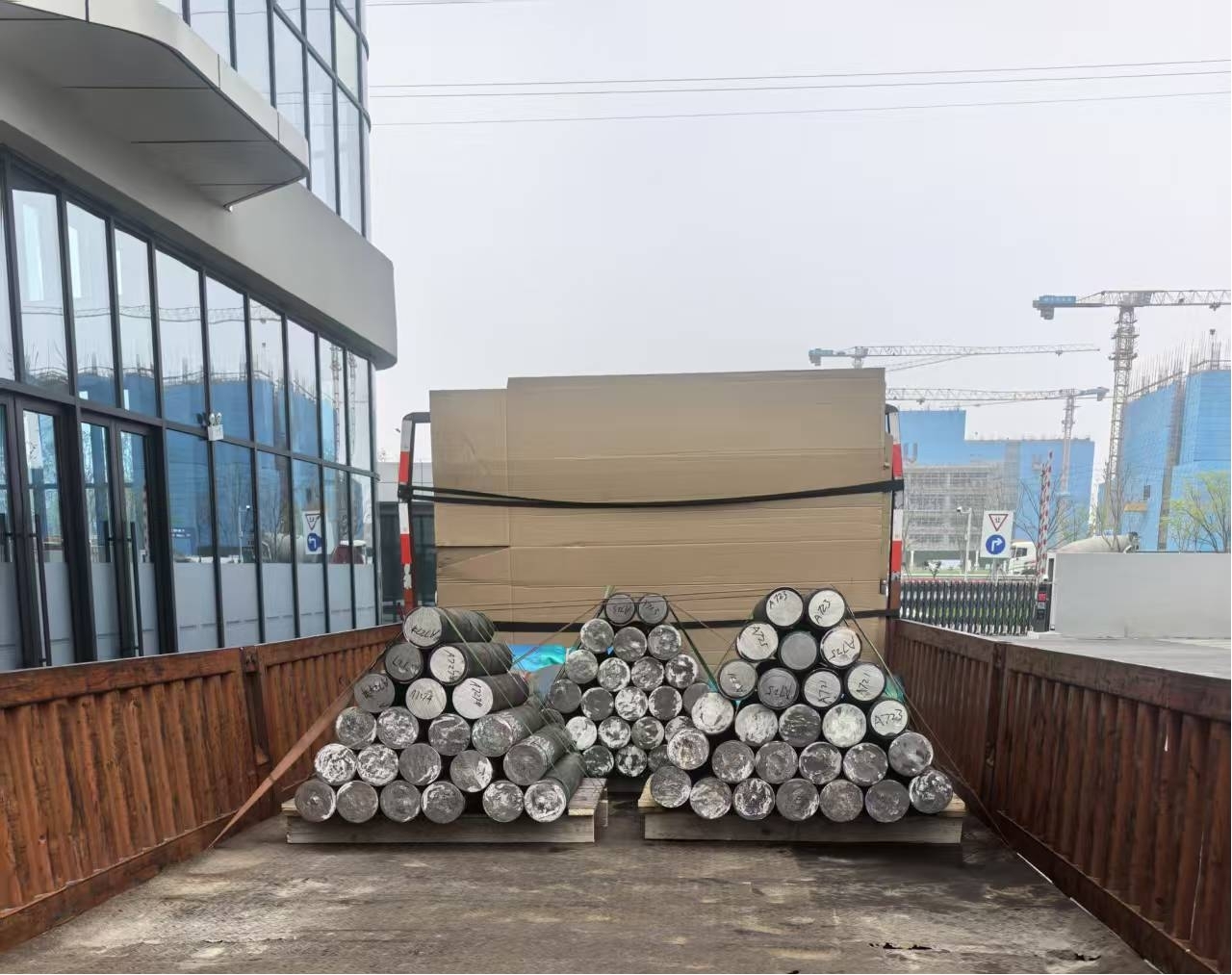
Qingchuan New Materials has provided machining services for Haynes 230 alloy to a certain aerospace company, used for manufacturing high-temperature components. During the machining process, the company strictly followed the customer's requirements, controlled various parameters, and ensured the dimensional accuracy and surface quality of the components. After actual use verification, the components performed excellently under high-temperature conditions, meeting the customer's performance requirements and receiving high recognition from the customer. This cooperation not only showcases Qingchuan New Materials' technical strength in the machining of Haynes 230 alloy but also accumulates valuable experience for its application in the aerospace field.
FAQ
Q1: What are the main application fields of Haynes 230 alloy?
A1: Haynes 230 alloy, renowned for its excellent high-temperature resistance, corrosion resistance, and oxidation resistance, is mainly used in aerospace, energy chemical industries, etc., for manufacturing high-temperature components, combustion chambers, heat exchangers, etc.
Q2: What are the advantages of Qinchuan New Materials in the processing of Haynes 230 alloy?
A2: Qinchuan New Materials boasts advanced processing equipment and a comprehensive quality inspection system, enabling strict control over various parameters during the production process to ensure product quality. Additionally, the company emphasizes technological research and innovation, continuously optimizing processing techniques to enhance production efficiency and product quality.
Q3: What should be noted during the processing of Haynes 230 alloy?
A3: During the processing, attention should be paid to controlling parameters such as melting temperature, forging ratio, heat treatment temperature and time to avoid volatilization and oxidation of alloy elements, ensuring the stability of the alloy's performance. At the same time, attention should also be given to the accuracy and maintenance of processing equipment to ensure processing accuracy and surface quality.