 Qingchuan New Materials (Zhengzhou) Co., Ltd.
Qingchuan New Materials (Zhengzhou) Co., Ltd.
Qingchuan New Materials (Zhengzhou) Co., Ltd.
Qingchuan New Materials (Zhengzhou) Co., Ltd.
Qingchuan New Materials (Zhengzhou) Co., Ltd.
Technical Background and Industry Demands
Iron-nickel fixed expansion sealing alloys are a type of special metal materials that achieve thermal expansion coefficient matching through precise control of the composition ratio, widely used in electronic packaging, aerospace, precision instruments, and other fields. Their core value lies in solving the sealing failure problems caused by the difference in thermal expansion coefficients of different materials, such as sealing between glass and metal, ceramics and metal. As a high-purity metal and special alloy research and manufacturing enterprise, Qinchuan New Materials (Zhengzhou) Co., Ltd. relies on the modern standard workshops and advanced production lines in the High-tech Zone of Zhengzhou, and has formed a full-chain technical capability from composition design to precision processing in the field of iron-nickel fixed expansion alloys.
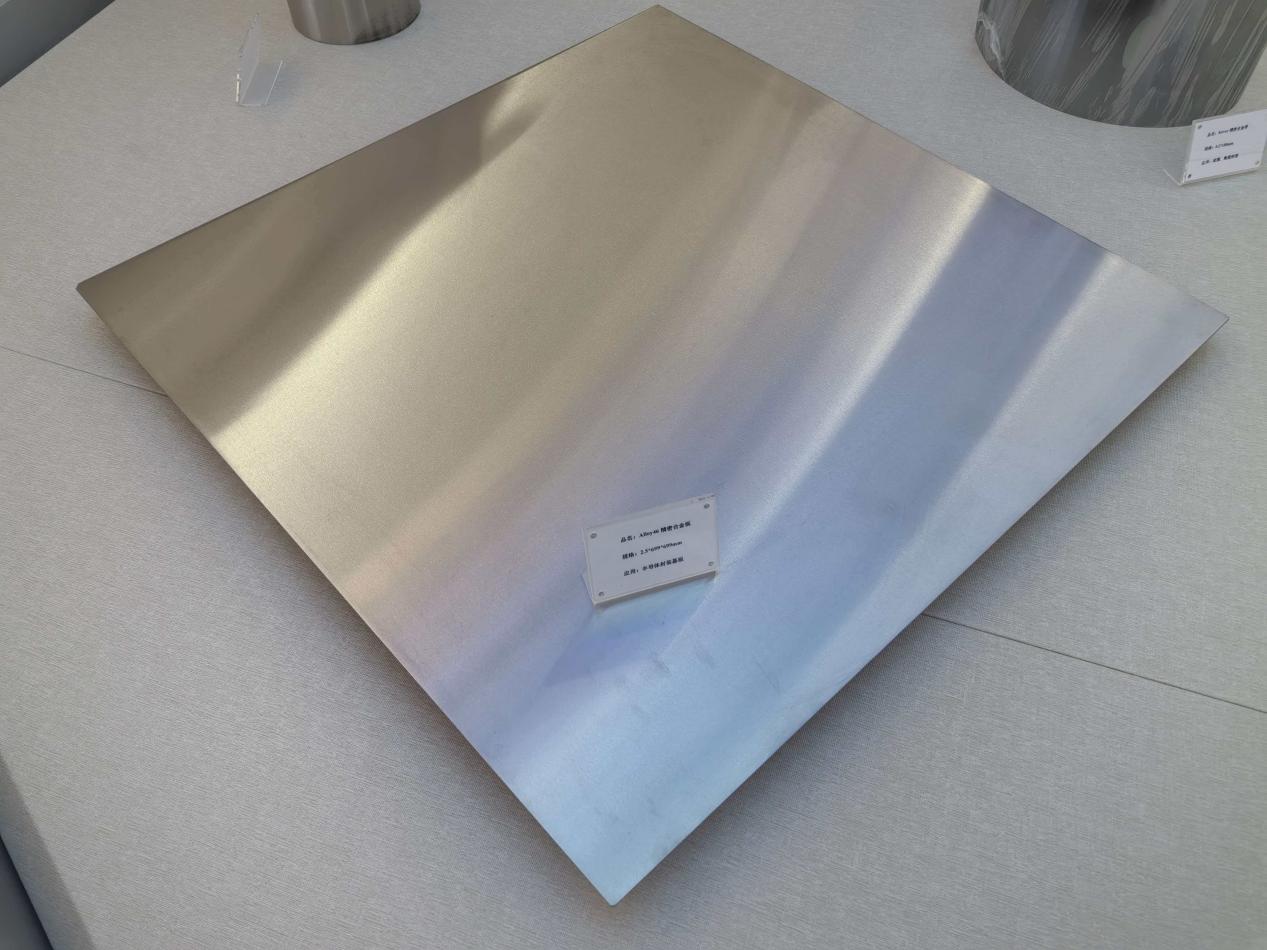
Technical Analysis: Component Design and Process Control
Qingchuan New Materials' Fe-Ni superexpansion alloy is based on the Fe-Ni binary system and achieves precise control of the expansion coefficient within the range of (4.0~9.0)×10⁻⁶/℃ by adding trace elements such as Co, Mn, Si. Its core technology includes:
1. Vacuum Induction MeltingUsing a 500kg vacuum induction furnace, ensuring alloy composition uniformity ≤0.05%, oxygen content ≤15ppm.
2. Hot-rolled bloom and cold-rolled deformationGrain size controlled through multiple rolling passes (ASTM 6~8 levels), optimizing material mechanical properties and thermal stability.
3. Intermediate Annealing and Final AgingAnnealing in a hydrogen atmosphere at 750~850℃ to relieve processing stresses and stabilize the coefficient of expansion.
The company's laboratory is equipped with equipment such as direct reading spectrometers and thermal expansion meters, enabling full-process quality traceability from raw materials to finished products. For instance, the 4J29 alloy produced by them (expansion coefficient 4.6×10⁻⁶/℃) has a fluctuation in expansion coefficient ≤±0.2×10⁻⁶/℃ within the temperature range of -60℃ to +200℃, meeting the ASTM F30 standard requirements.
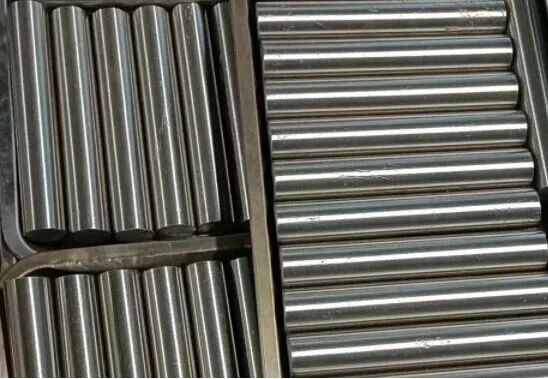
Practical Case: Sealing of Aerospace Electronic Devices
A space enterprise entrusted Qinchuan New Materials to process a batch of iron-nickel alloy sealing rings for satellite communication modules, requiring them to maintain airtightness (-55℃ to +125℃ temperature cycle, leakage rate ≤1×10⁻⁹ Pa·m³/s) during the project execution process.
1. Material SelectionBased on the glass expansion coefficient provided by the customer (8.2×10⁻⁶/℃), customize the composition of 4J33 alloy (Ni content 33.0%~33.5%).
2. Precision MachiningThe inner hole of the sealing ring is machined using a CNC lathe, with roundness error ≤0.005mm and surface roughness Ra≤0.4μm.
3. Sealing process verificationThrough simulated thermal cycle tests, the annealing temperature curve was optimized, and the final product passed 1,000 cycles without leakage.
This case verifies Qinchuan New Materials' technical responsiveness in customized processing of special alloys, with a delivery cycle 20% shorter than the industry average and a 15% reduction in cost.
Technical Advantages and Industry Layout
Tech advantages of Qinchuan New Materials are reflected in three aspects: first,Component Design DatabaseAccumulated over 200 alloy formulas and heat treatment parameters; secondly,Flexible production lineCan quickly switch to production of different specifications of products; thirdlyFailure Analysis SystemIdentified the root cause of the sealing failure through SEM-EDS, XRD, and other methods. Currently, its iron-nickel shape memory alloy has been applied in scenarios such as 5G base station filters, laser cavity, and medical endoscopes, with an annual production capacity of 500 tons.
FAQ: Common Technical Questions and Answers
Q1: What are the causes of cracks in the iron-nickel alloy after sealing?
A: Primarily related to matching of expansion coefficients, residual processing stress, and sealing temperature control. Suggests solving by adjusting alloy composition, optimizing annealing process, and controlling heating rate.
Q2: How to choose the appropriate iron-nickel alloy grade?
A: A comprehensive evaluation is required based on the expansion coefficient of the sealing material, the temperature range of use, and the mechanical property requirements. For example, the 4J29 alloy is suitable for glass sealing, while the 4J36 alloy is suitable for ceramic sealing.
Q3: How to control surface oxidation during the processing?
A: Annealing with hydrogen-protected atmosphere, controlling the oxygen content in the furnace ≤5ppm; using special lubricant during cold working to reduce oxidation caused by frictional heating.