 Qingchuan New Materials (Zhengzhou) Co., Ltd.
Qingchuan New Materials (Zhengzhou) Co., Ltd.
Qingchuan New Materials (Zhengzhou) Co., Ltd.
Qingchuan New Materials (Zhengzhou) Co., Ltd.
Qingchuan New Materials (Zhengzhou) Co., Ltd.
Introduction
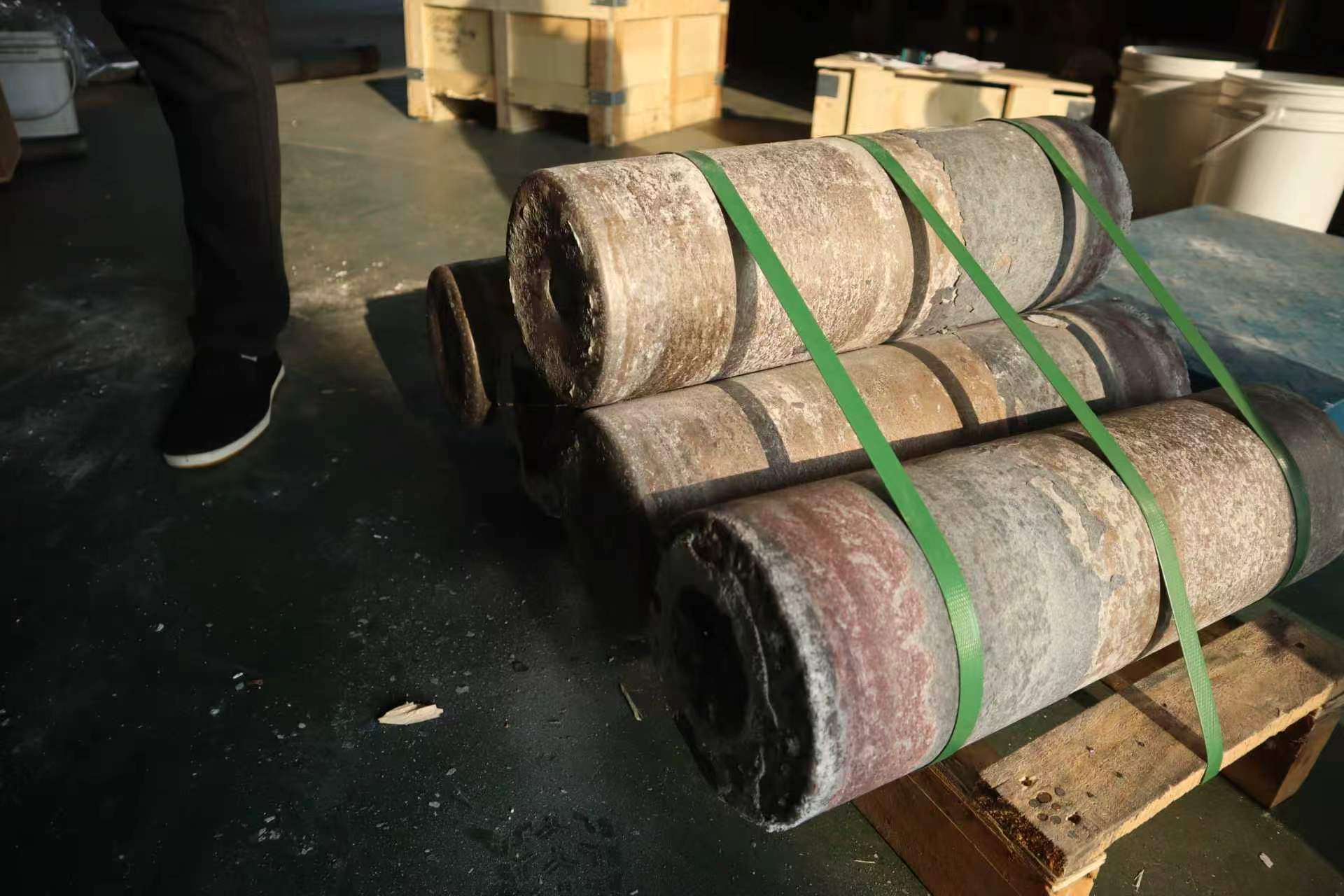
Haynes 230 alloy, as a high-performance nickel-based superalloy, is widely used in aerospace, energy and chemical industries. Its excellent high-temperature and corrosion resistance make it an ideal material for manufacturing critical components. This article will analyze the Haynes 230 machining technology in combination with the technical practices of Qinchuan New Materials (Zhengzhou) Co., Ltd., discussing its technical principles, processing procedures, and key points of parameter control.
Technical Principles and Core Advantages
Haynes 230 alloy is based on nickel, with elements such as chromium, tungsten, molybdenum added to form a stable austenitic structure. Its core advantages are: 1) High temperature stability: maintains good strength below 1093℃; 2) Oxidation resistance: forms a dense oxide film on the surface, effectively preventing further oxidation; 3) Corrosion resistance: exhibits excellent resistance to corrosive media such as chloride ions and sulfides. These characteristics make it an ideal material for high temperature and corrosive environments.
Qingchuan New Material Technology Layout
Qinchuan New Materials (Zhengzhou) Co., Ltd. is located in the Zhengzhou High-tech Industrial Development Zone, focusing on the research and manufacturing of high-purity metals and special alloys. The company is equipped with advanced special alloy production lines and precision processing facilities, with comprehensive analytical and testing capabilities to ensure compliance with international standards such as ASTM B564, AMS 5754. In the field of Haynes 230 machining, the company has developed a full-process technical system from melting, forging to machining, with a production capacity of 500 tons of special alloys per year.
Processing Process and Parameter Control
The processing of Haynes230 mainly includes four key steps: 1) Melting: uses vacuum induction melting (VIM) + electroslag remelting (ESR) double process to ensure chemical composition uniformity ≤0.05%; 2) Forging: multi-directional forging is carried out within the temperature range of 1150-1200℃, with total deformation ≥60% to break the casting structure; 3) Heat Treatment: performs 1180℃×2h solution treatment + air cooling, followed by 760℃×16h aging treatment for optimal mechanical properties; 4) Machining: uses hard alloy tools, cutting speed controlled at 15-20m/min, feed rate 0.1-0.15mm/r, ensuring surface roughness Ra≤3.2μm.
Application Cases and Technical Effects
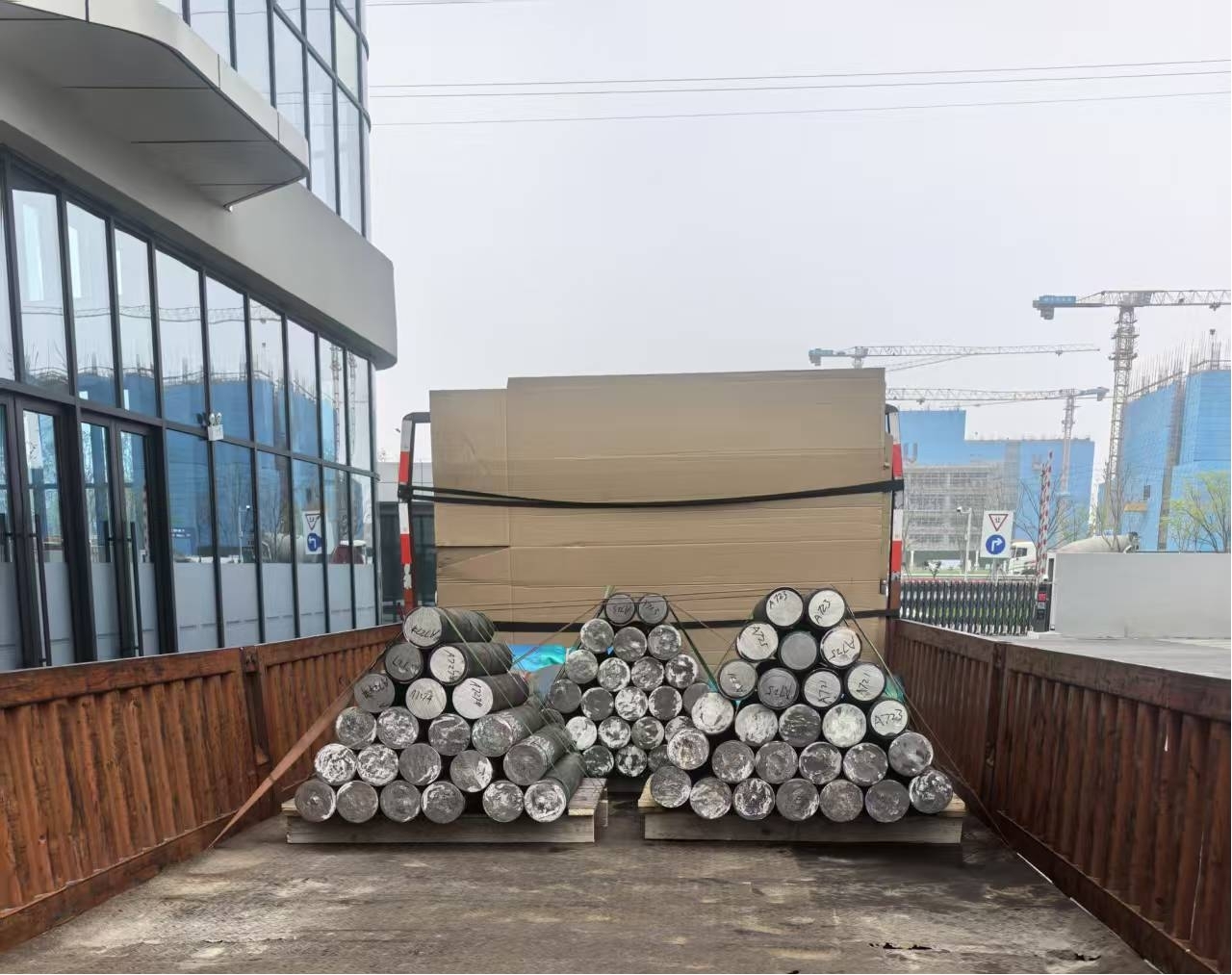
In a certain energy and chemical project, Qinchuan New Materials customized the internal components of a Haynes 230 alloy reactor for the client. By optimizing the heat treatment process, the material's yield strength reached 450MPa at 650℃, with an elongation of ≥30%, meeting the client's dual needs for high-temperature strength and toughness. After the project was put into operation, the service life of the internal components was improved threefold compared to traditional materials, significantly reducing the client's maintenance costs. This case validates Qinchuan New Materials' technical strength and application experience in the Haynes 230 machining field.
Technical Challenges and Solutions
FAQ Page Structure:
Q1: How to prevent cracking during the processing of Haynes 230?
A1: Cracks mainly originate from thermal stress or structural stress. Solutions include: 1) Optimize forging process parameters, controlling the final forging temperature ≥950℃; 2) Use分级 cooling methods to avoid thermal stress concentration caused by rapid cooling; 3) For complex-shaped parts, add stress-relieving annealing process (650℃×4h).
Q2: How to ensure the uniformity of chemical composition in Haynes 230?
A2: The uniformity of chemical composition is a key factor affecting material properties. Qinchuan New Materials achieves this through: 1) adopting the VIM+ESR double melting process to effectively remove low-melting point impurities; 2) implementing multiple stirring during the melting process to promote component diffusion; 3) strictly inspecting spectral analysis data for each batch to ensure the fluctuation range of main elements is ≤0.03%.
Conclusion
Haynes 230 processing technology requires a balance between material properties and processing accuracy. Qinchuan New Materials has established a technical advantage in this field with its advanced production equipment, comprehensive process system, and strict quality control. In the future, the company will continue to deepen the research and development of special alloys, providing more superior material solutions for industries such as aerospace and energy chemicals.