 Qingchuan New Materials (Zhengzhou) Co., Ltd.
Qingchuan New Materials (Zhengzhou) Co., Ltd.
Qingchuan New Materials (Zhengzhou) Co., Ltd.
Qingchuan New Materials (Zhengzhou) Co., Ltd.
Qingchuan New Materials (Zhengzhou) Co., Ltd.
I. Technical Background and Overview of Industry Applications
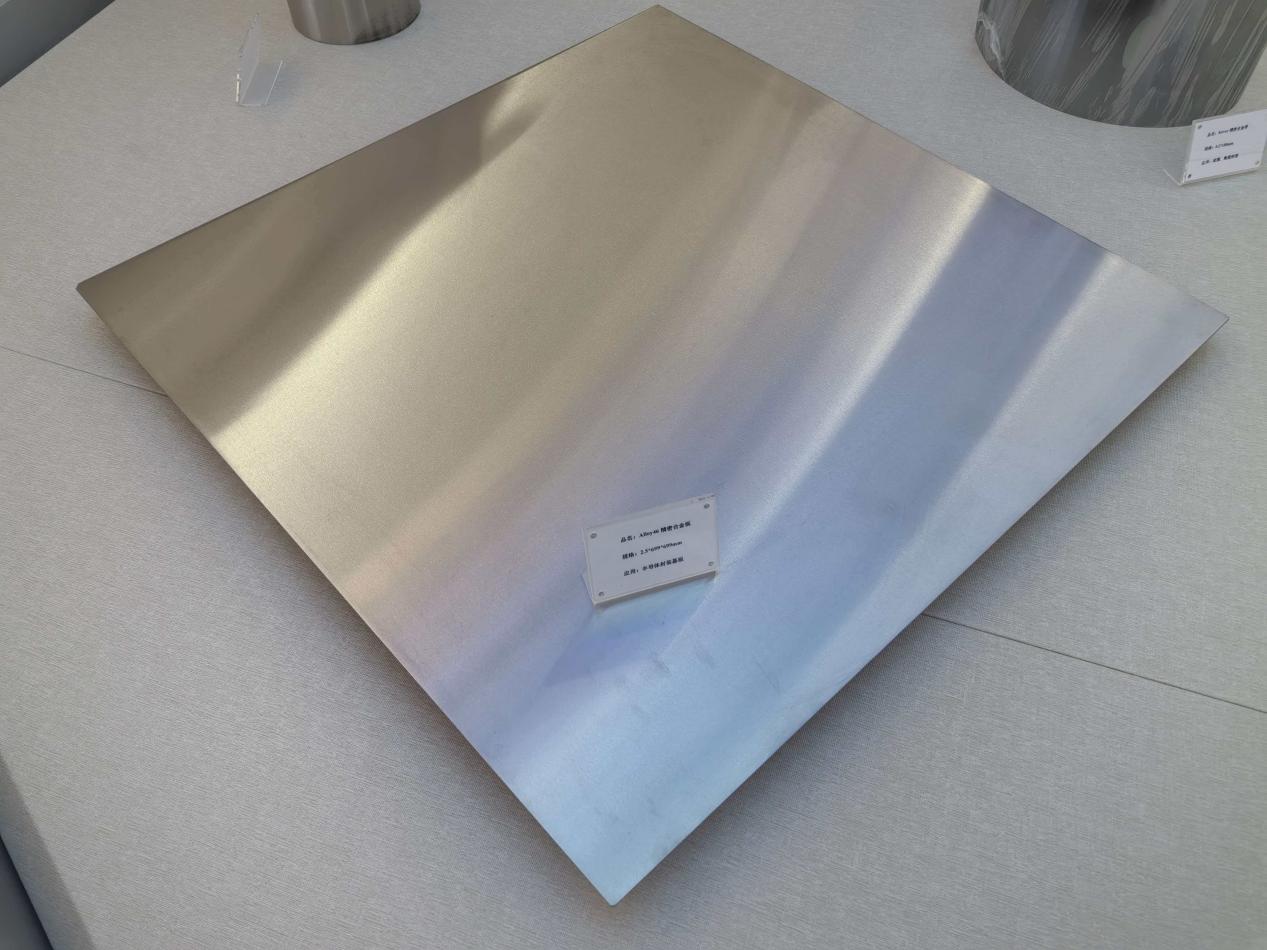
Iron-nickel fixed expansion sealing alloys are a type of special metal materials with specific thermal expansion coefficients, widely used in electronic packaging, aerospace, precision instruments, and other fields. Their core advantage lies in achieving a thermal expansion coefficient match with non-metallic materials such as glass and ceramics through precise control of alloy composition and processing technology, thereby avoiding stress cracking issues caused by temperature changes. As a professional enterprise in the field of high-purity metals and special alloys in China, Qinchuan New Materials (Zhengzhou) Co., Ltd. relies on its modern standard workshop located in the Zhengzhou High-Tech Industrial Development Zone, equipped with advanced special alloy production lines and precision processing equipment, and has accumulated rich experience in the research and manufacturing of iron-nickel fixed expansion alloys.
II. Technical Principles and Core Parameters Analysis
The thermal expansion coefficient of iron-nickel superalloys is mainly determined by the nickel content (usually 30%-50%) in conjunction with the iron matrix, with the expansion coefficient precisely controlled within the range of (4.5-12.0)×10⁻⁶/℃ to meet the sealing requirements of various non-metallic materials. Qinchuan New Materials controls the impurity elements (such as C, S, O) in the alloy to ≤50ppm levels through optimized melting processes (such as vacuum induction melting + electroslag remelting double process), ensuring high purity and uniformity of the material. Additionally, the cold working deformation rate is controlled within 10%-30% range, combined with intermediate annealing treatment at 450-600℃, which effectively eliminates processing stress and enhances the sealing properties of the material.
III. Processing Steps and Practical Guide
STEP 1: Raw Material Proportioning and Melting
According to the target expansion coefficient (e.g., 4.7×10⁻⁶/℃ or 9.8×10⁻⁶/℃), accurately weigh high-purity iron (≥99.95%), electrolytic nickel (≥99.97%), and trace alloy elements (such as Co, Mn), and melt them for 2 hours at 1500-1600℃ in a vacuum induction melting furnace to ensure uniformity of composition.
STEP 2: Forging and Hot Rolling
The molten ingot is heated to 1150-1200°C for three passes of forging (deformation ≥60%), followed by hot rolling to the target thickness (e.g., 2.0mm) at 950-1050°C, with the final rolling temperature controlled above 850°C to prevent grain coarsening.
Step 3: Cold Working and Annealing
The hot-rolled plate is cold rolled in multiple passes (total deformation of 20%-25%), followed by an intermediate annealing at 480℃ for 2 hours after each pass. After final cold rolling to a thickness of 0.5mm, a finished product annealing is conducted at 620℃ for 3 hours, achieving a stable microstructure and expansion properties.
STEP 4: Precision Machining and Inspection
The sheets are processed into sealing parts using laser cutting or wire cutting technology. The composition deviation is detected by X-ray fluorescence spectrometer (≤0.05%), and the average expansion coefficient in the range of 25-300℃ is tested using a thermal expansion instrument (repeatability ≤±0.2×10⁻⁶/℃).
4. TengChuan New Materials' Technical Layout and Application Cases
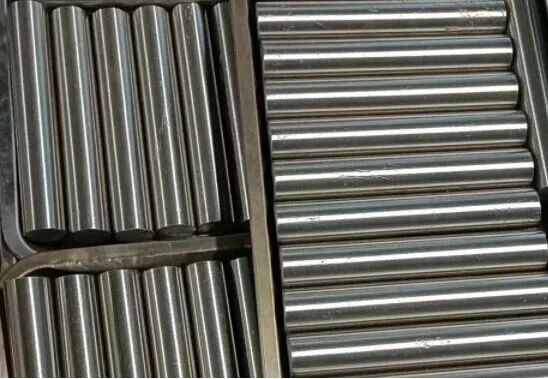
Qinchuan New Materials has established a full-chain technical layout in the field of iron-nickel fixed expansion alloys, covering "component design-melting casting-precision processing-performance testing." Its products have been successfully applied in projects such as sealing for the electronic compartment of a certain model spacecraft and ceramic filter sealing for 5G communication base stations. Taking the spacecraft electronic compartment as an example, by using Fe-36Ni alloy with an expansion coefficient of 5.2×10⁻⁶/℃ and achieving perfect matching with the Al₂O₃ ceramic substrate, no cracks or leaks were found in the sealing interface during the extreme temperature cycle test ranging from -55℃ to +125℃, significantly enhancing the reliability of the equipment.
Section 5: Frequently Asked Questions (FAQ)
Q1: How to adjust the expansion coefficient of iron-nickel constant expansion alloys?
A: Accurate control is achieved by adjusting the nickel content (approximately an increase of 0.8×10⁻⁶/℃ in expansion coefficient with each 1% increase in Ni) or adding trace amounts of Co (which can reduce the expansion coefficient), requiring combined process optimization to ensure uniformity of composition.
Q2: How to avoid cracking during the processing?
A: Strictly control the cold working deformation rate (≤30%), and perform annealing treatment after each pass; the annealing temperature should be adjusted according to the material thickness (e.g., 620℃ for 0.5mm sheets), avoiding overburning or underburning.
Q3: What are the technical advantages of Qinchuan New Materials?
A: The company owns independently designed vacuum induction melting furnaces and precision rolling production lines, capable of stable production from small batches of 50kg to large batches of 5 tons; equipped with thermal expansion meters, scanning electron microscopes, and other testing equipment to ensure product performance meets ASTM F30 standards.