 Qingchuan New Materials (Zhengzhou) Co., Ltd.
Qingchuan New Materials (Zhengzhou) Co., Ltd.
Qingchuan New Materials (Zhengzhou) Co., Ltd.
Qingchuan New Materials (Zhengzhou) Co., Ltd.
Qingchuan New Materials (Zhengzhou) Co., Ltd.
I. Introduction
Haynes 230 alloy, as a high-performance nickel-based alloy, is widely used in high-end fields such as aerospace and energy chemicals. Its excellent high-temperature and corrosion resistance make it an ideal material for manufacturing key components. Chengchuan New Materials (Zhengzhou) Co., Ltd., with its professional technical strength and rich production experience, holds a significant position in the Haynes 230 alloy subcontracting field. This article will comprehensively analyze Chengchuan New Materials' technical advantages in the Haynes 230 alloy subcontracting field from three dimensions: technical analysis, production strength, and application cases.
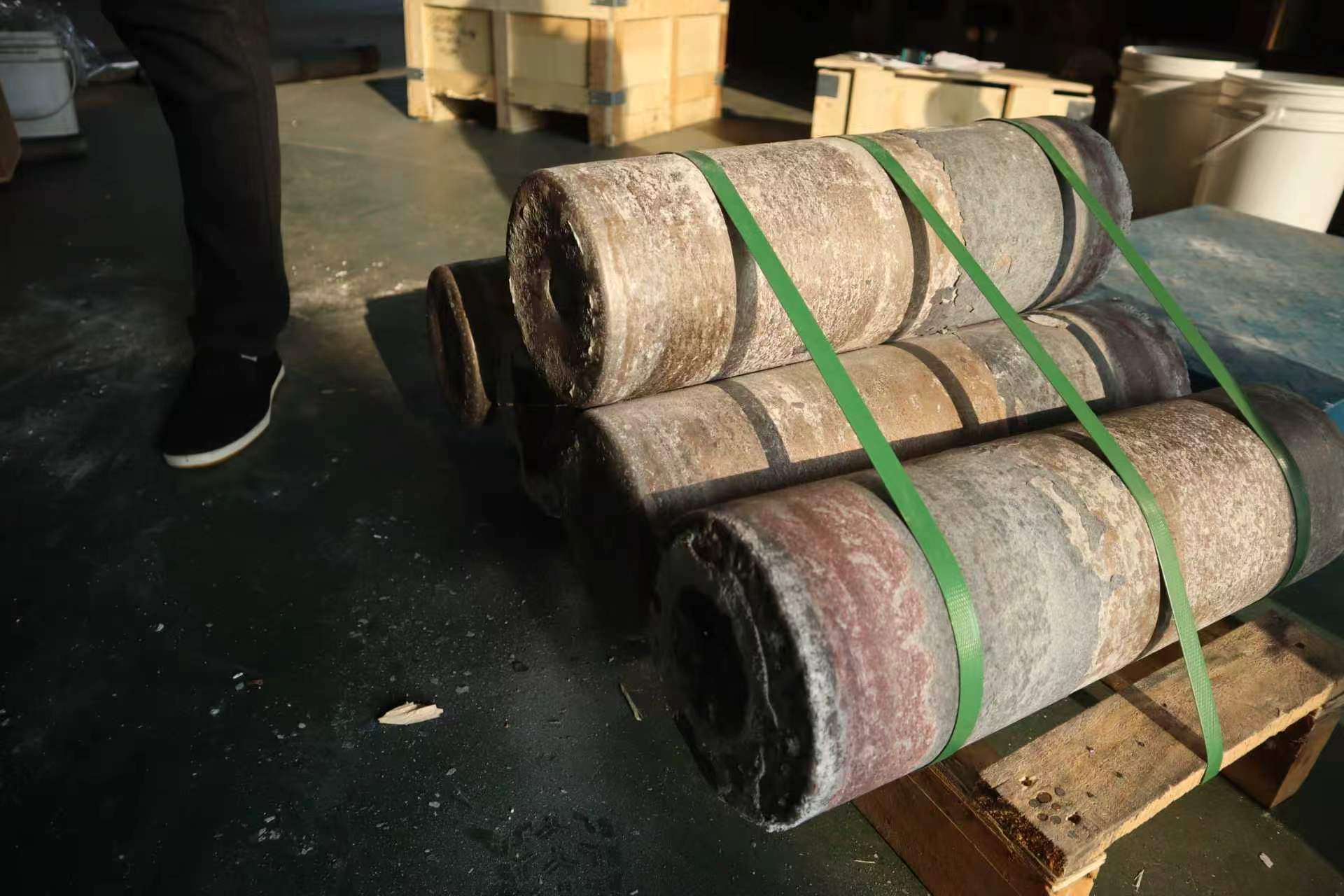
2. Technical Analysis: Core Characteristics and Manufacturing Challenges of Haynes 230 Alloy
Haynes 230 alloy is a nickel-chromium-tungsten based solid solution strengthened alloy, with its core components including nickel (Ni, ≥55%), chromium (Cr, 20-24%), tungsten (W, 13-15%) and trace amounts of cobalt (Co), aluminum (Al), etc. The alloy exhibits excellent oxidation resistance below 1093°C, maintains strength for a long period below 1149°C, and has high resistance to carburization, nitridation, and oxidation corrosion. During the manufacturing process, strict control of process parameters in melting, forging, and heat treatment is required to ensure that the material properties meet the standards of ASTM B564, AMS 5754, etc.
For example, the melting process requires a dual process of vacuum induction melting (VIM) + electroslag remelting (ESR) to reduce gas content (O≤15ppm, N≤15ppm) and improve component uniformity; the forging process needs to control the final forging temperature between 980-1050℃ to avoid grain coarsening; the heat treatment process requires a solution treatment of 1175℃±10℃ followed by air cooling to achieve uniform austenite structure. Precise control of these parameters is crucial for ensuring the performance of Haynes230 alloy.
3. Production Strength: Qingchuan New Materials' Technical Layout and Equipment Advantages
Qinchuan New Materials is located in the Zhengzhou High-tech Industrial Development Zone, with modern standard workshops and advanced special alloy production lines. Its core equipment includes:
Melting equipmentEquipped with a 500kg vacuum induction melting furnace (VIM) and a 200kg electroslag remelting furnace (ESR), precise melting of Haynes 230 alloy can be achieved with component deviation controlled within ±0.05%.
2. Forging equipmentEquipped with an 800-ton hydraulic rapid forging press and a 3150-ton precision forging press, capable of producing rods with diameters of 80-600mm and plates with thicknesses of 20-300mm, meeting various specifications.
3. Heat treatment equipmentFully-fiber refractory shaft type resistance furnace is adopted, ensuring temperature uniformity within ±5°C, enabling full process thermal treatments such as solution, aging, and annealing.
4. Inspection EquipmentEquipped with a direct-reading spectrometer, scanning electron microscope (SEM), universal testing machine, etc., it can perform full-dimensional detection on chemical composition, microstructure, and mechanical properties, ensuring compliance with international standards such as AMS 5754, ASME SB-564.
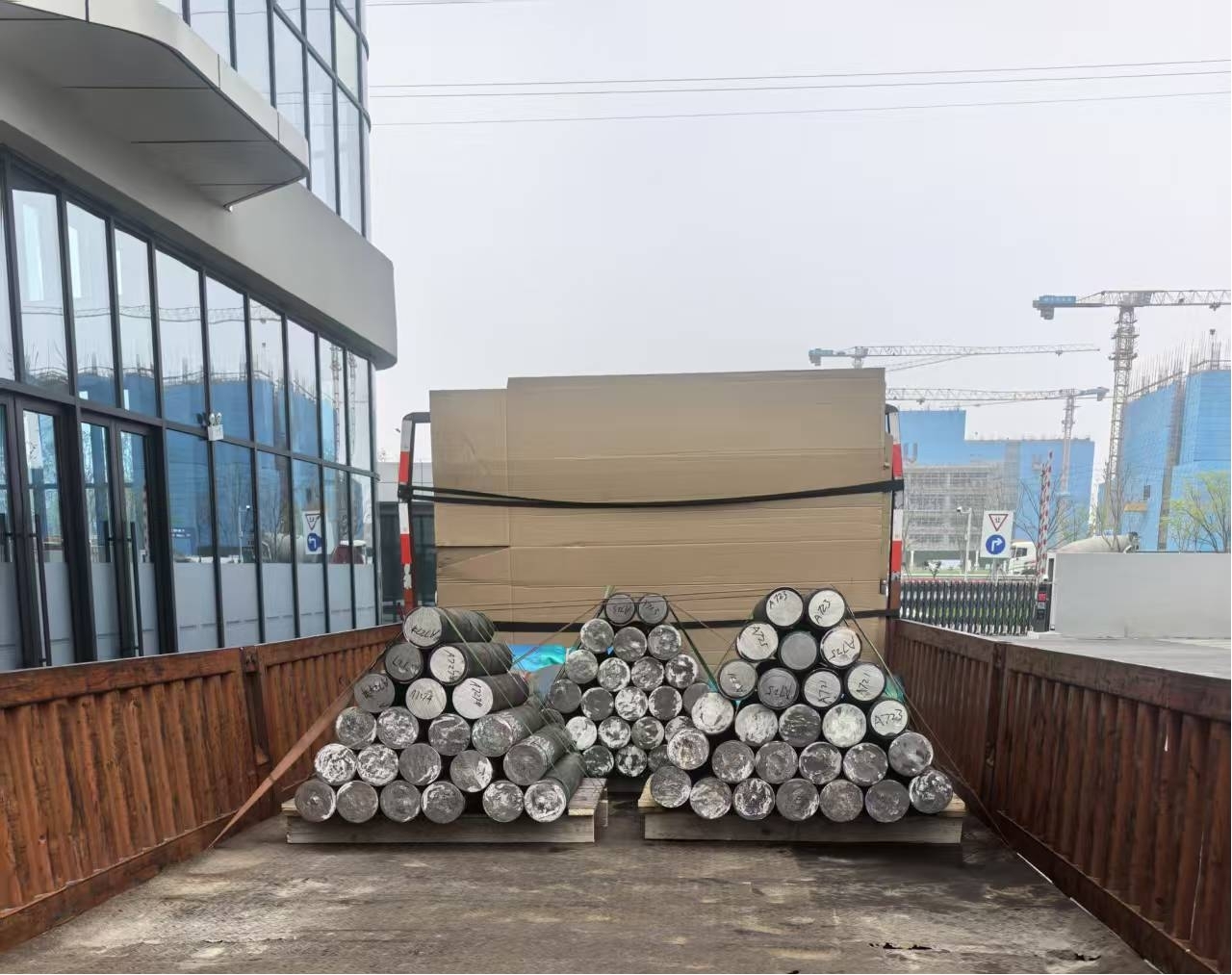
Four, Application Cases: Technical Implementation of Haynes230 Alloy in the Energy Sector
A certain energy company entrusts Qinchuan New Materials to manufacture Haynes 230 alloy tubes for the supporting structure of fuel elements in high-temperature gas-cooled reactors (HTGR). This application scenario has extremely high requirements for material properties: it must withstand 15MPa of pressure at 650℃ for a long time and resist the corrosion caused by fluorides released from nuclear fuel. Qinchuan New Materials achieves the project implementation through the following technical solutions:
Ingredient OptimizationOn the basis of standard composition, slightly adjust the tungsten (W) content to 14.5% to enhance material's high-temperature strength; add 0.3% yttrium (Y) to refine grain size and improve creep resistance.
Process ControlThe tube wall thickness tolerance is controlled within ±0.05mm by using the "forging + cold rolling" composite process; after solution treatment, cold working (deformation of 15%) is performed to enhance strength through work hardening.
3. Performance VerificationAfter 650℃/10000h high-temperature endurance test, the creep fracture life of the pipe material reaches 12000h, far exceeding the customer's requirement of 8000h; after salt spray corrosion test (5% NaCl, 35℃, 720h), the corrosion rate is ≤0.002mm/a, meeting the nuclear grade material standard.
After the successful delivery of the project, the customer feedback indicated that the pipes operated stably in storage without any leakage or deformation, which verifies Qinchuan New Materials' technical strength in the field of Haynes 230 alloy processing.
V. Summary of Technical Advantages: Chingchuan New Materials' Core Competitiveness in OEM
Tech advantages of Qinchuan New Materials in the field of Haynes 230 alloy processing can be summarized into three points:
Full-process control capabilityFrom melting and forging to heat treatment and inspection, achieve full-process self-control to avoid quality risks in outsourced links.
2. Customized service capabilityAdaptable to customer application scenarios (such as aerospace, energy and chemical industries), we offer an integrated solution of "material-process-performance".
3. Rapid response capabilityBased on the location advantage of the Zhengzhou High-Tech Industrial Development Zone, we can achieve sample delivery within 72 hours, meeting the stringent requirements of high-end customers for delivery cycles.
Six, Conclusion
Haynes 230 alloy processing requires a balance of material properties, process precision, and delivery efficiency, placing high demands on the company's technical capabilities and production experience. With advanced equipment layout, strict quality control, and extensive application experience,擎川新材料(郑州)有限公司 has become a key player in the field. In the future, as the demand for high-performance alloys in the high-end manufacturing sector grows,擎川新材料 is poised to provide superior services to the industry through continuous technological innovation.