 Qingchuan New Materials (Zhengzhou) Co., Ltd.
Qingchuan New Materials (Zhengzhou) Co., Ltd.
Qingchuan New Materials (Zhengzhou) Co., Ltd.
Qingchuan New Materials (Zhengzhou) Co., Ltd.
Qingchuan New Materials (Zhengzhou) Co., Ltd.
Technical Background and Industry Demands
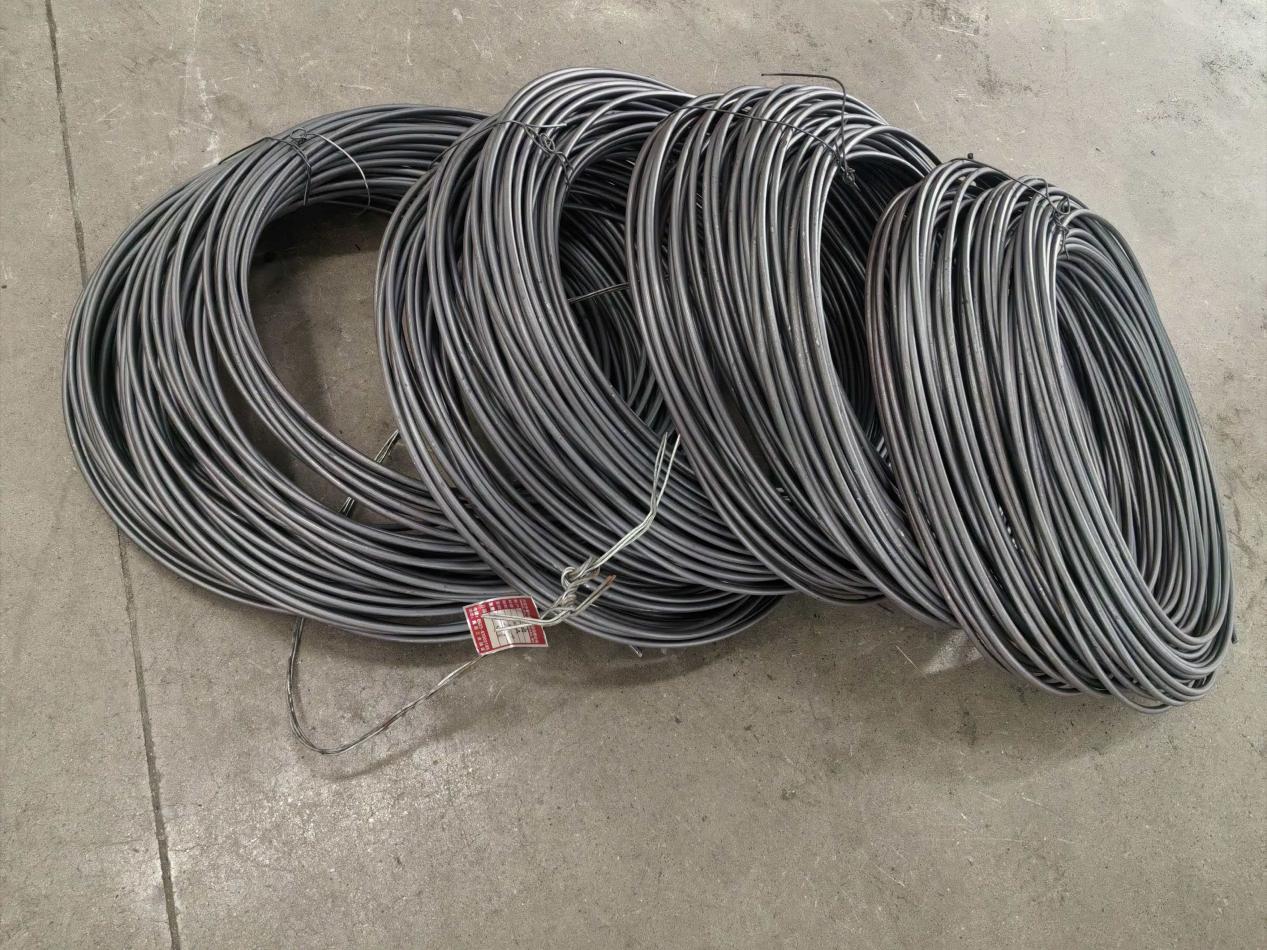
Iron-nickel fixed expansion sealing alloys are a type of special alloys that achieve specific thermal expansion coefficients through precise control of the iron-nickel ratio, widely used in electronic packaging, aerospace, precision instruments, and other fields. Their core requirement lies in achieving thermal expansion matching with non-metallic materials such as ceramics and glass, to avoid stress cracking or sealing failure due to temperature changes. Qinchuan New Materials (Zhengzhou) Co., Ltd., with years of experience in the research and development of high-purity metals and special alloys, has formed a full-chain technological layout in this field, ranging from material design to precision processing.
Analysis of Qingchuan New Materials' Technical Advantages
Qinchuan New Materials is located in the Zhengzhou High-tech Industrial Development Zone, with modern standard workshops and multiple special alloy production lines, equipped with core equipment such as high-vacuum melting furnaces and precision rolling mills, capable of atomic-level control of iron-nickel alloy composition. The R&D team has optimized the heat treatment process, stabilizing the coefficient of thermal expansion of the alloy at (5.0±0.2)×10⁻⁶/℃ (20-300℃ range), achieving a match rate of over 98% with 96% alumina ceramics, significantly enhancing sealing reliability. In addition, the company has introduced laser spectrometers and metallographic microscopes to establish a full-process quality control system covering raw material inspection, process monitoring, and finished product verification, ensuring batch stability exceeds industry standards.
Practical Case: Sealing Project for a Spacecraft Electronic Compartment
In a certain spacecraft electronic cabin sealing project, the customer requires the alloy to maintain thermal expansion matching with the ceramic substrate within a temperature range of -55℃ to +125℃, while also meeting the airtightness requirements under vacuum conditions. The new material technology team of Qinchuan achieves the technological breakthrough through the following steps:
Step 1: Material Customization Development
Based on the thermal expansion curve of the ceramic substrate provided by the customer, adjust the iron-nickel ratio to 42:58 (mass ratio), and add trace amounts of niobium to refine the grain structure, precisely controlling the coefficient of thermal expansion of the alloy to (5.1±0.1)×10⁻⁶/℃.
Step 2: Precision Molding and Heat Treatment
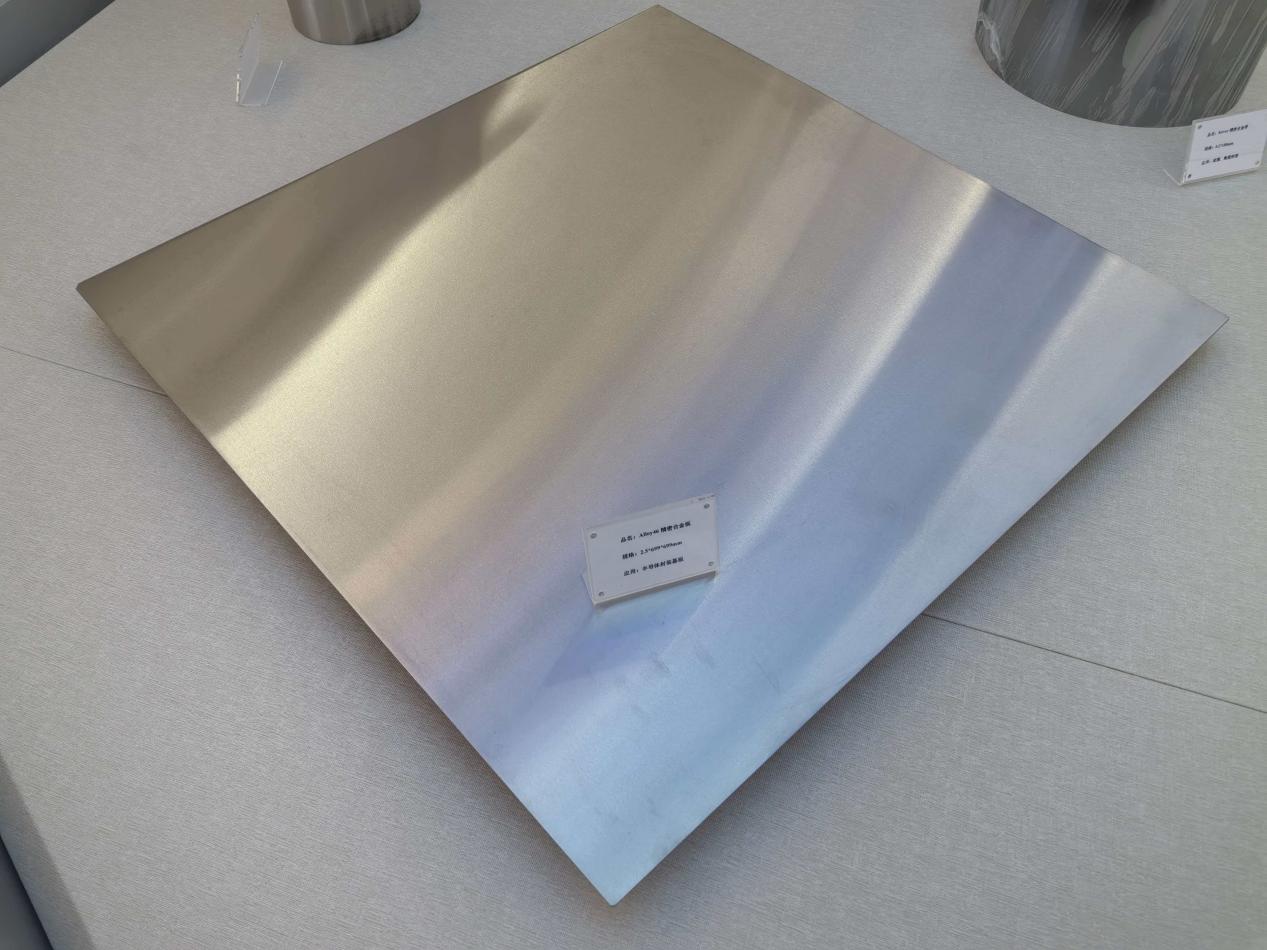
The billets are prepared using vacuum induction melting + forging technology, and the thickness is controlled at 0.5mm±0.02mm through multi-pass cold rolling. Subsequently, the processing stress is eliminated by staged annealing (keeping at 850℃ for 2h followed by furnace cooling to 600℃ and then air cooling to room temperature), ensuring the flatness of the material is better than 0.05mm/m.
Step 3: Hermetic seal performance verification
The sealed components pass helium mass spectrometer leak testing with a leakage rate below 1×10⁻¹¹ Pa·m³/s, meeting aerospace-grade tightness requirements; after 100 thermal cycle tests (-55℃ to +125℃, heating/cooling rate of 10℃/min), no cracking or delamination was observed at the sealing interface, verifying the material's long-term reliability.
Technical Parameters and Compatibility Scenarios
The main technical parameters of Qinchuan New Material Iron-Nickel Positive Expansion Sealing Alloy are as follows:
• Composition Range: Fe 40-45%, Ni 55-60%, Nb 0.1-0.3% (by mass)
Thermal expansion coefficient: (5.0±0.2)×10⁻⁶/℃ (20-300℃)
• Tensile strength: ≥600MPa
• Elongation: ≥15%
• Operating temperature range: -196℃ to +400℃
This material is suitable for applications with stringent thermal matching requirements, such as high-power electronic device packaging, laser cavity sealing, aerospace sensor components, etc., effectively resolving equipment failure issues caused by thermal expansion mismatch.
FAQ: Technical Challenges Analysis of Iron-Nickel Fixed Expansion Seal Alloy
Q1: How to balance the strength and coefficient of thermal expansion of the alloy?
A: By adding trace amounts of niobium to form fine precipitated phases, it enhances strength while reducing the impact on the coefficient of thermal expansion. Qinchuan New Materials optimizes the composition ratio through extensive experiments, ensuring a coordinated control of strength and thermal expansion coefficient.
Q2: How to avoid oxidation during sealing process?
A: Employed vacuum melting and inert gas protected rolling process, controlling oxygen content throughout the process to be below 10ppm; before sealing, the alloy surface is treated with acid washing and electroplating nickel to form a dense oxide film, further preventing oxygen contact.
Q3: Can this material replace Kovar alloy?
In the scenario of ceramic with matching thermal expansion coefficient, Qinchuan New Materials' iron-nickel alloy can achieve performance close to Kovar alloy through composition adjustment, with a cost reduction of about 20%, and has been applied as a substitute in multiple domestic enterprises.