 Qingchuan New Materials (Zhengzhou) Co., Ltd.
Qingchuan New Materials (Zhengzhou) Co., Ltd.
Qingchuan New Materials (Zhengzhou) Co., Ltd.
Qingchuan New Materials (Zhengzhou) Co., Ltd.
Qingchuan New Materials (Zhengzhou) Co., Ltd.
I. Technical Background and Industry Demand of Iron-Nickel Precision Alloy with Fixed Expansion
Iron-nickel fixed-expansion precision alloys are functional materials with specific thermal expansion coefficients, widely used in aerospace, electronic packaging, precision instruments, and other fields. Their core advantage lies in achieving a match between the thermal expansion coefficient and the target material (such as ceramics, glass) through precise control of the alloy composition ratio, thereby reducing the risk of failure caused by thermal stress. For example, in the field of electronic packaging, the match between the iron-nickel alloy and the ceramic substrate's thermal expansion coefficient directly affects the reliability of the chip, with errors needing to be controlled within ±1×10⁻⁶/℃.
II. Qinchuan New Materials' Technical Layout and R&D Strength
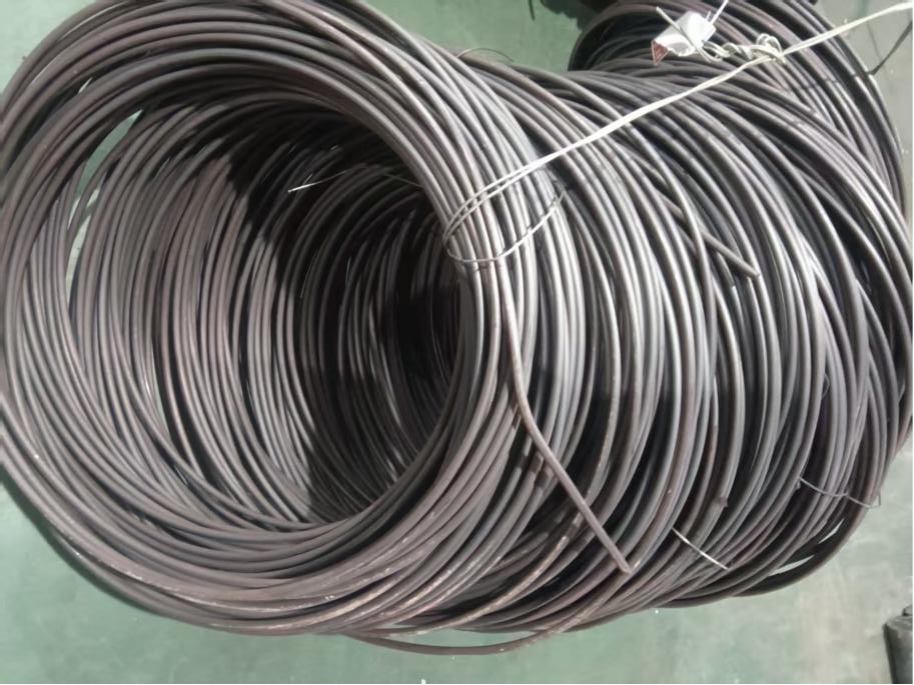
Qingchuan New Materials (Zhengzhou) Co., Ltd. specializes in the research and manufacturing of high purity metals and special alloys, with its FeNi permanent expansion alloy product line covering mainstream grades such as FeNi36, FeNi42, and offering customizable thermal expansion coefficients ranging from (4.5~12.0)×10⁻⁶/℃ (20~300℃). Located in the Zhengzhou High-Tech Industrial Development Zone, the company boasts modern standard workshops and internationally advanced equipment such as vacuum induction melting furnaces and cold rolling units, enabling full-process control from raw material purification to finished product processing. The research team is led by several doctoral candidates in materials science and has established a joint laboratory with the Institute of Metal Research, Chinese Academy of Sciences. To date, the company has accumulated 12 invention patents and participated in formulating 3 industry standards.
3. Core Technology and Quality Control System
Qinchuan New Materials adopts a three-step production process: Step one, controls impurity content ≤0.001% through vacuum induction melting technology to ensure alloy purity; Step two, adjusts grain size to ASTM 8~10 levels using cold rolling and annealing cycles to optimize mechanical properties; Step three, achieves surface roughness Ra≤0.4μm through laser cutting and precise polishing to meet high-precision processing requirements. The company is equipped with direct-reading spectrometers, X-ray diffraction instruments, and other testing equipment to conduct full inspections of composition, microstructure, and properties for each batch of products, ensuring thermal expansion coefficient deviation ≤±0.5×10⁻⁶/°C, tensile strength ≥520MPa, and elongation ≥35%.
4. Typical Application Cases and Technical Effect Review
In a satellite communication equipment project, the customer needed to solve the thermal matching issue between ceramic filters and metal supports. Qinchuan New Materials provided customized FeNi42 alloy, adjusting the Ni content to 41.8% to precisely match the thermal expansion coefficient of the ceramic substrate (6.8×10⁻⁶/℃). After -55℃ to 125℃ cyclic testing, the interface stress between the alloy and ceramic reduced by 82%, and the equipment reliability improved threefold. The project cycle took only 45 days, 60% shorter than the traditional solution, with a 25% cost reduction. This case verifies Qinchuan New Materials' capability in rapid response and customized services.
Chapter 5: Technical Adaptation Scenarios and Selection Recommendations
The selection of iron-nickel fixed expansion alloys requires comprehensive consideration of the operating temperature range, thermal expansion coefficient matching, and processing performance. For example, under low-temperature conditions (-196℃), it is recommended to choose FeNi36 alloy (thermal expansion coefficient 4.6×10⁻⁶/℃); for high-temperature scenarios (above 300℃), FeNiCo series alloys can be used to enhance thermal stability. Qichuan New Materials provides free sample testing services, and customers can obtain customized solutions by submitting application scenario parameters (such as temperature range, matching materials, dimensional accuracy).
FAQ: Common Questions About Nickel-Iron Positive Expansion Alloys Explained
Q1: What is the difference between iron-nickel alloys and Invar alloys?
A1: Invar alloy is a type of iron-nickel alloy (FeNi36), specifically referring to grades with 36% nickel content, characterized by the lowest coefficient of thermal expansion. The range of iron-nickel alloys is broader, covering various grades with nickel content between 30% to 50%, which can be adjusted according to the requirement for coefficient of thermal expansion.
Q2: How to determine if the thermal expansion coefficient of the alloy meets the standard?
A2: Continuous testing within the range of 20~300℃ is required using a thermal expansion instrument, and the average value should be compared with the nominal value. Each batch of products from Qinchuan New Materials comes with a third-party testing report, allowing customers to trace the test data.
Q3: How to deal with oxidation on the alloy surface?
A3: Qinchuan New Materials adopts vacuum packaging and inert gas protection technology with an oxidation layer thickness ≤ 0.5μm. For further processing, value-added services such as acid washing, polishing can be provided to ensure surface cleanliness meets IPC-A-600 standards.