 Qingchuan New Materials (Zhengzhou) Co., Ltd.
Qingchuan New Materials (Zhengzhou) Co., Ltd.
Qingchuan New Materials (Zhengzhou) Co., Ltd.
Qingchuan New Materials (Zhengzhou) Co., Ltd.
Qingchuan New Materials (Zhengzhou) Co., Ltd.
I. Corporate Technical Strength and R&D Background of Haynes 230 Alloy
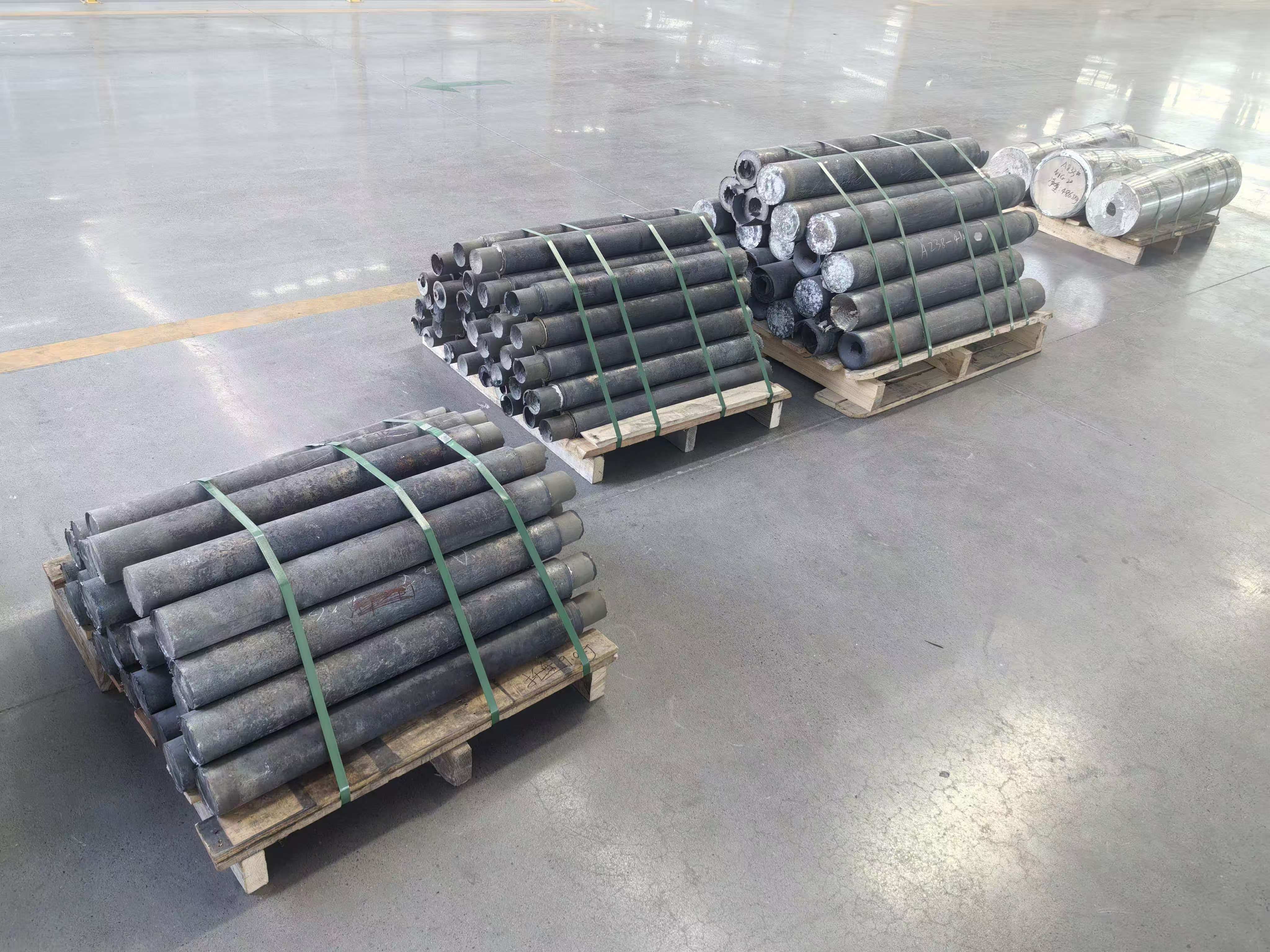
Qinchuan New Materials (Zhengzhou) Co., Ltd. is located in the Zhengzhou High-tech Industrial Development Zone and is a company focusing on the research, development, and manufacturing of high-purity metals, special alloys, and related products. The company is equipped with advanced special alloy production lines and precision processing facilities, possesses comprehensive analytical and testing capabilities, and ensures that products meet international quality standards. In the field of high-temperature alloys, Haynes 230 is widely used in scenarios such as aeroengine, gas turbine, and chemical equipment due to its excellent oxidation resistance, heat corrosion resistance, and high-temperature strength. Through long-term technical accumulation, Qingchuan New Materials has formed a full-process technology system from material design, melting to post-treatment, providing a reliable solution for the domestic substitution of Haynes 230.
Section 2: Technical Parameters and Core Advantages of Haynes 230 Alloys
Haynes 230 is a nickel-chromium-tungsten based solid solution strengthened high-temperature alloy with the following chemical composition (by mass percentage): Ni≥55%, Cr 22-24%, W 13-15%, Co≤3%, Mo≤1.5%. The alloy maintains a high tensile strength (≥200MPa) at 1200℃ and exhibits excellent resistance to thermal corrosion in sulfur-containing environments. Qinchuan New Materials controls impurity elements (such as S, P) in the alloy to below 0.005% through optimized melting processes (such as vacuum induction melting + electroslag remelting double process), significantly improving the purity and high-temperature stability of the material. In addition, the heat treatment system developed by the company (holding at 1180℃ for 2 hours followed by air cooling) effectively refines the grain structure, prevents cracks during processing, and extends the service life of the material.
Section 3: Typical Application Cases: Aircraft Engine Combustion Chamber Liner
In a certain aviation engine project, the customer requires a batch of combustion chamber liners that can operate continuously without failure for 2000 hours at 1100°C. Qinchuan New Materials, leveraging the high-temperature resistance of Haynes 230, designed a thin-walled structure (wall thickness 2.5mm) to reduce weight and achieve near-net shaping through precision casting, minimizing subsequent machining allowances. Testing has shown that the liner actually reaches a lifespan of 2500 hours under simulated operating conditions, far exceeding customer requirements. During the project implementation, the company's technical team further enhanced the material's resistance to creep at high temperatures by adjusting the W/Mo ratio in the alloy (from the standard value of 13/1.5 to 14/1.2), providing data support for the development of subsequent similar products.
4. Technical Layout and Future Development Direction
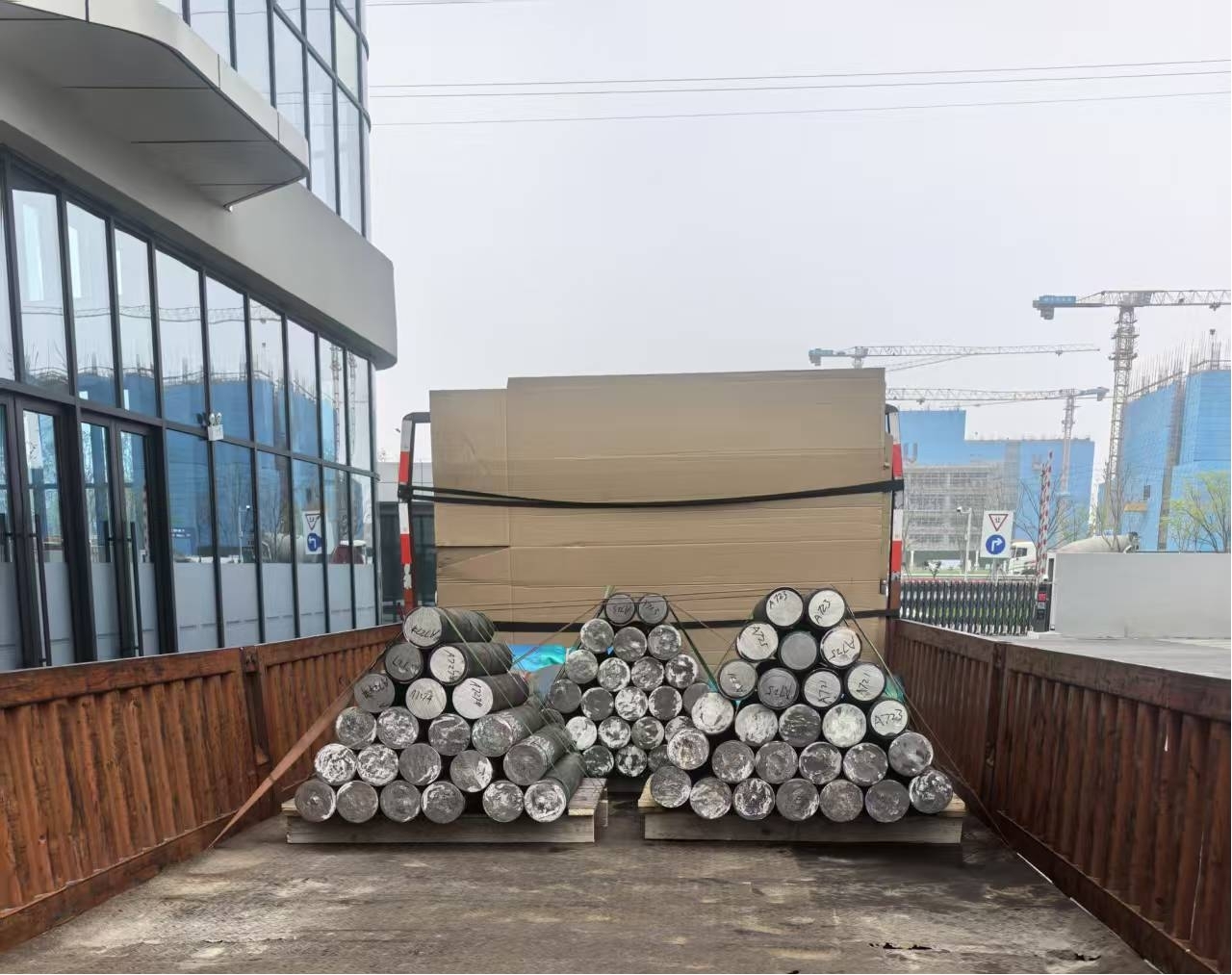
Qingchuan New Materials has formed a full-chain technological layout in the Haynes 230 field, covering "material-component-system". In addition to standard grades, the company has developed low cobalt variants (Co≤1%) and high tungsten variants (W≥16%) alloys, which are suitable for scenarios with limited cobalt resources and extreme high-temperature environments, respectively. In the future, the company will focus on the following directions: First, achieve rapid manufacturing of complex structural components through 3D printing technology to shorten the R&D cycle; second, develop surface coating technologies (such as Al-Y coating) to further enhance the material's corrosion resistance in chloride-containing environments; third, establish a material database, optimize alloy composition and process parameters through machine learning, and promote the development of Haynes 230 towards higher performance and lower cost.
Frequently Asked Questions: Common Queries about Haynes 230
Q1: What is the difference between Haynes 230 and Inconel 718?
A: Haynes 230 is a solid solution strengthened alloy, mainly relying on W and Mo elements to enhance high-temperature strength, suitable for temperatures below 1200℃; Inconel 718 is a precipitation-hardened alloy, with higher strength below 650℃ due to γ' phase strengthening, but its high-temperature performance is slightly inferior to Haynes 230.
Q2: What are the processing difficulties of Haynes 230?
A: The alloy has poor thermal conductivity (about 12W/m·K), which easily leads to local overheating and cracking during processing. Qinchuan New Materials effectively solves this problem by controlling the cutting speed (≤15m/min) and feed rate (0.1-0.2mm/r), and using high-pressure coolant (pressure ≥5MPa) to lower the cutting temperature.
Q3: How to judge the quality of Haynes 230 material?
A: Evaluations can be made through the following indicators: 1. Chemical composition (must comply with ASTM B619 standard); 2. Grain size (≤5 levels under ASTM E112 standard); 3. High-temperature tensile strength (≥150MPa under 1100℃/100h). Each batch of products from Qinchuan New Materials comes with a third-party inspection report, ensuring traceability of the data.