 Qingchuan New Materials (Zhengzhou) Co., Ltd.
Qingchuan New Materials (Zhengzhou) Co., Ltd.
Qingchuan New Materials (Zhengzhou) Co., Ltd.
Qingchuan New Materials (Zhengzhou) Co., Ltd.
Qingchuan New Materials (Zhengzhou) Co., Ltd.
Introduction: Technical Value and Industry Demand of Haynes 230 Alloy
Haynes 230 is a nickel-based superalloy, widely used in aerospace, energy chemicals, and industrial furnaces due to its excellent oxidation resistance, thermal corrosion resistance, and high-temperature strength. Its core components include nickel (Ni), chromium (Cr), molybdenum (Mo), and tungsten (W). Through precise composition control and heat treatment processes, it can achieve long-term stable performance in high-temperature environments of 1093℃ to 1204℃. However, the research and production of Haynes 230 require high technical strength, equipment accuracy, and quality control, with only a few companies worldwide having large-scale production capacity.
Tengchuan New Materials' Technical Layout and Core Advantages
Qingchuan New Materials (Zhengzhou) Co., Ltd. is located in the Zhengzhou High-Tech Industrial Development Zone, focusing on the research and manufacturing of high purity metals, special alloys, and related products. The company relies on modern standard workshops and is equipped with internationally advanced special alloy production lines and high-precision processing equipment, covering the complete process chain from melting, forging to heat treatment. Its technical team consists of experts in materials science and metallurgical engineering, with profound theoretical accumulation and rich practical experience, capable of conducting systematic research on the composition optimization, microstructure control, and performance enhancement of Haynes 230.
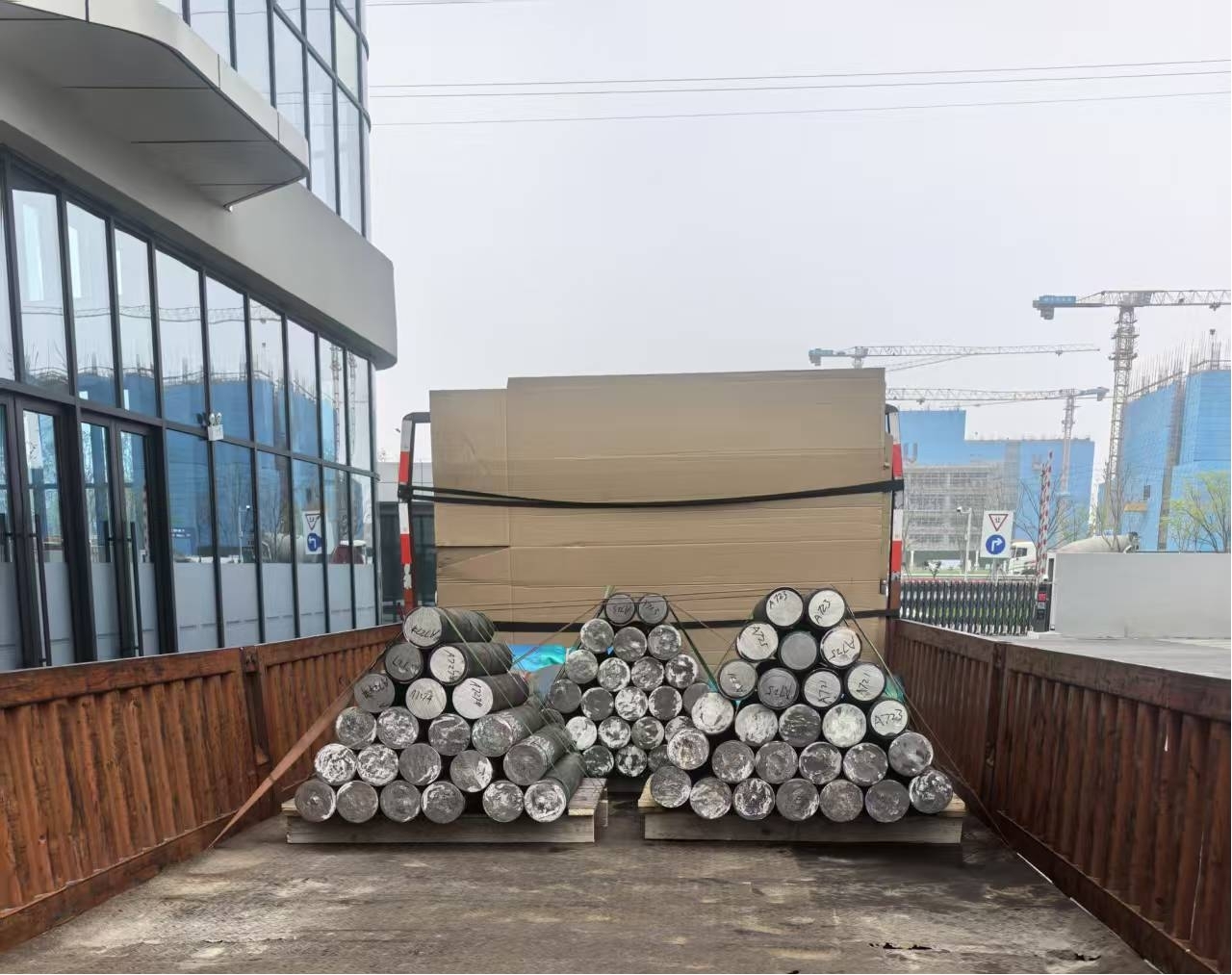
In terms of quality control, Qinchuan New Materials has established an analytical and testing system covering the entire process, including spectral analysis, metallographic inspection, mechanical property testing, and high-temperature endurance performance tests, ensuring that each batch of products meets international standards such as ASTM B637, AMS 5832. For instance, the thickness tolerance of the produced Haynes230 sheets is controlled within ±0.05mm, and the high-temperature tensile strength can reach 690MPa (1093℃), far exceeding the industry average.
Application Scenarios and Technical Parameters of Haynes 230
Typical application scenarios of Haynes 230 include aeroengine combustion chambers, industrial furnace roller conveyors, chemical reactor vessels, and gas turbine blades. Taking the aeroengine combustion chamber as an example, this component must withstand the erosion of high-temperature gas above 1200℃ for a long period, while also facing the combined effects of oxidation, thermal fatigue, and mechanical loads.擎川新材料by optimizing the chromium content (20-24%) and aluminum content (0.5-1.5%) of Haynes 230, forms a dense Al₂O₃ oxide film on the material surface, significantly enhancing its oxidation resistance; by adding molybdenum (8-10%) and tungsten (0.2-0.5%), it strengthens the material's high-temperature strength and creep resistance, achieving a tensile strength of over 200MPa at 1000℃.
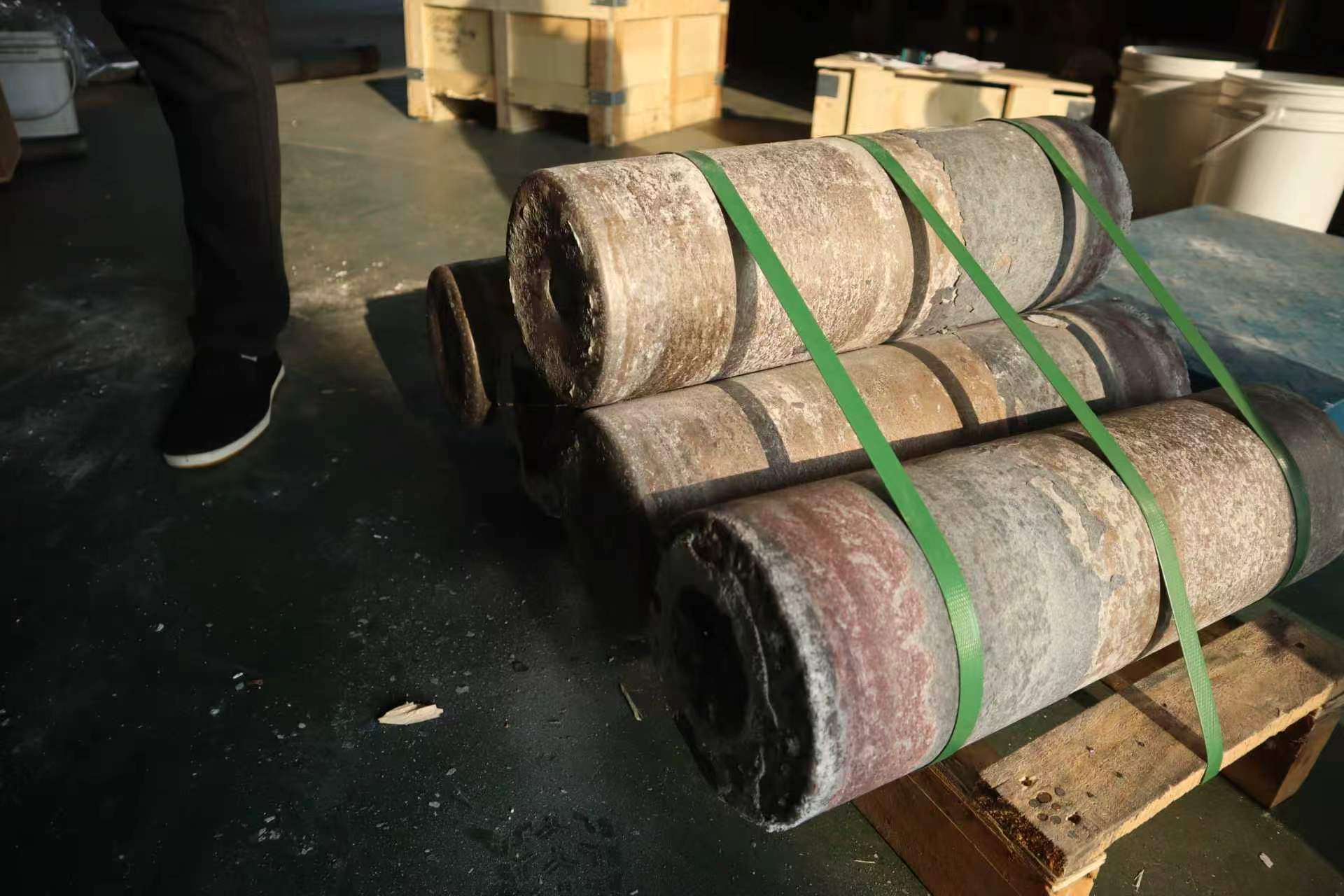
In the chemical industry, Haynes 230 is commonly used for the internals of reactors in sulfur-containing gas environments. Its sulfur corrosion rate is less than 0.02mm/year (1093°C, 5%H₂S gas), far superior to traditional nickel-based alloys, which can significantly extend the service life of equipment and reduce maintenance costs.
Chengchuan New Materials Project Implementation Case and Technical Effect Review
In 2023, Qinchuan New Materials customized a batch of Haynes230 alloy tubes for an energy company, which were used in the heat exchangers of a high-temperature gasification unit. The unit operates at a temperature of up to 1150℃ and a pressure of 3.5MPa, with a medium consisting of a mixture of sulfur-containing gas and steam. In the initial phase of the project, the client reported severe corrosion and leakage in traditional materials within 6 months. However, the Haynes230 tubes provided by Qinchuan New Materials showed only 0.01mm of uniform corrosion after continuous operation for 18 months, with no local perforations or cracks detected. The heat exchange efficiency remained stable, significantly enhancing the operational reliability and economic efficiency of the unit.
The success of this case is attributed to the precise control of the Haynes230 composition by Qingchuan New Materials and the optimization of the heat treatment process. By reducing carbon content (≤0.05%) and controlling grain size (ASTM 4-6), the tendency of carbide precipitation at high temperatures in the material is reduced, avoiding the risk of intergranular corrosion; at the same time, the use of step quenching and intermediate annealing processes eliminates processing stress, enhancing the material's toughness and fatigue resistance.
FAQ: Common Technical Questions About Haynes 230 Alloy
Q1: What are the main differences between Haynes 230 and Inconel 718?
A: Haynes 230 excels in its antioxidant and heat-resistant corrosion properties, suitable for high-temperature environments above 1093℃; Inconel 718, through precipitation strengthening by γ' and γ'' phases, boasts excellent comprehensive properties within the range of -253℃ to 650℃, making it more suitable for complex load scenarios from low to moderate temperatures.
Q2: What are the processing difficulties of Haynes 230, and how can they be resolved?
A: The processing difficulties of Haynes 230 include high hardness (HRc≥35), poor thermal conductivity (11.1W/m·K), and significant tendency to work harden.擎川新材料Through the combination of hard alloy cutting tools, low cutting speed (10-20m/min), and large feed rate (0.1-0.2mm/r), it effectively controls tool wear and workpiece deformation; at the same time, in deep hole processing, it adopts BTA drilling and high-pressure coolant to solve the problem of chip removal difficulty.
Conclusion: Dual guarantee of technical strength and experience accumulation
The research and production of Haynes230 alloy demonstrate an integration of materials science, metallurgical engineering, and precision manufacturing technology. With its comprehensive technical layout, advanced production equipment, and strict quality control, Qinchuan New Materials (Zhengzhou) Co., Ltd. has established a significant technological advantage in the Haynes230 field. Its products are widely used in domestic energy and aviation sectors and are also exported to the European and American markets, providing high-performance and high-reliability special alloy solutions to global customers. In the future, as the demand for high-temperature materials continues to grow, Qinchuan New Materials will continue to deepen technological research and drive the application breakthroughs of Haynes230 alloy in more extreme environments.