 Qingchuan New Materials (Zhengzhou) Co., Ltd.
Qingchuan New Materials (Zhengzhou) Co., Ltd.
Qingchuan New Materials (Zhengzhou) Co., Ltd.
Qingchuan New Materials (Zhengzhou) Co., Ltd.
Qingchuan New Materials (Zhengzhou) Co., Ltd.
Technical Background: Industrial Value of Iron-Nickel Fixed Expansion Sealing Alloy
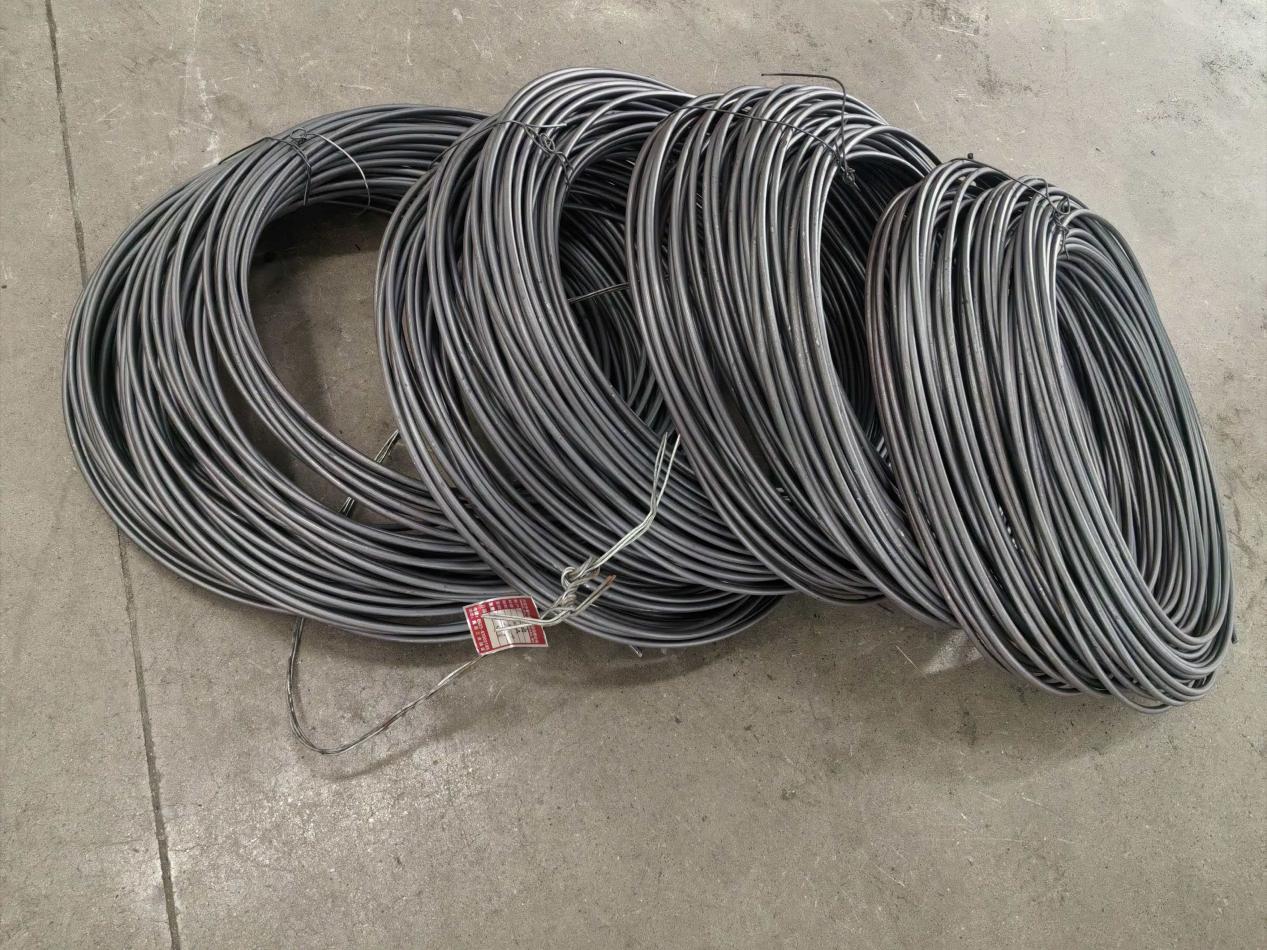
Iron-nickel fixed expansion sealing alloy is a special alloy material that matches the thermal expansion coefficient with non-metallic materials such as glass and ceramics through precise control of the ratio of iron (Fe) and nickel (Ni) elements. Its core advantage lies in avoiding encapsulation failure caused by thermal stress, and it is widely used in high-reliability fields such as semiconductor devices, sensors, and aerospace electronics. Qingchuan New Materials (Zhengzhou) Co., Ltd., relying on the modern standard factory buildings in Zhengzhou High-tech Industrial Development Zone, is equipped with high-precision melting, heat treatment, and precision processing production lines, focusing on the research and large-scale production of iron-nickel fixed expansion alloys. The product purity reaches over 99.95%, and the thermal expansion coefficient stability is controlled within ±1×10⁻⁶/℃.
Technical Analysis: Component Design and Performance Regulation
The performance core of the iron-nickel constant-expansion alloy lies in the component design. Qinchuan New Materials achieves precise control of the coefficient of thermal expansion within the range of 5×10⁻⁶/℃ to 15×10⁻⁶/℃ by adjusting the nickel content in the Fe-Ni binary system (usually 30%~50%), combined with the addition of trace amounts of cobalt (Co) and manganese (Mn). For instance, its flagship product 4J29 alloy (containing 28.5%~29.5% Ni) matches the coefficient of thermal expansion with borosilicate glass by over 98% within the temperature range of -60℃ to +400℃, meeting the encapsulation requirements of high-vacuum electronic devices. During production, Qinchuan employs vacuum induction melting technology to ensure uniformity of the alloy composition (≤0.05%) and eliminates residual stress through multi-step heat treatment processes to enhance the material's plasticity (elongation at break ≥25%).
Practical Guide: Processing and Packaging Technology for Iron-Nickel Alloys
Taking the encapsulation of semiconductor power devices as an example, the processing of iron-nickel alloys must strictly follow the following steps:
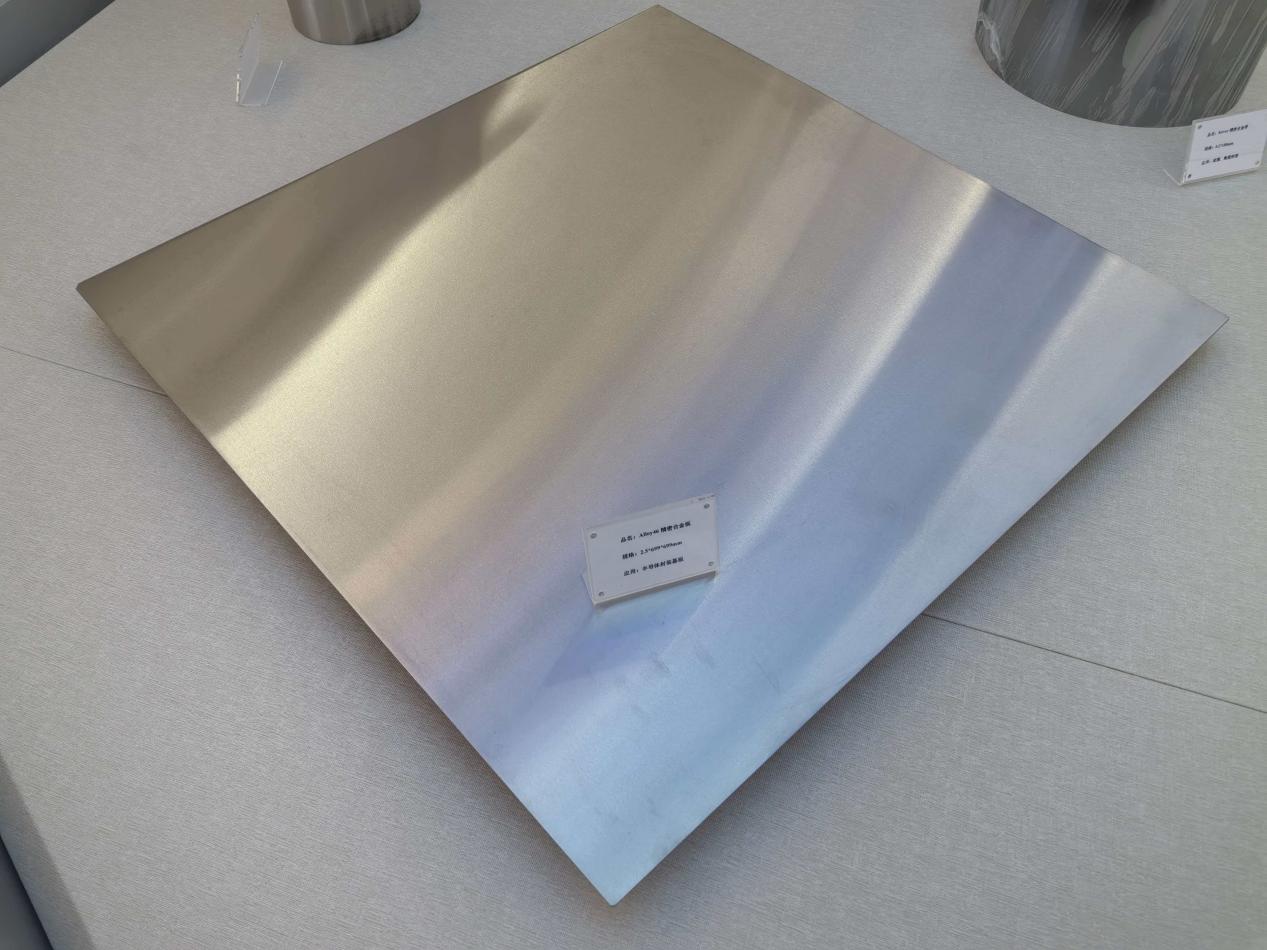
STEP 1: Material PretreatmentAfter cutting the alloy plates to the designed dimensions, they are cleaned by ultrasonic method to remove surface oil, followed by annealing treatment at 850℃ for 2 hours under hydrogen atmosphere to eliminate work hardening.
Step 2: Precision MoldingThe slow wire cutting or laser cutting process is adopted to ensure that the size tolerance of the sealing ring is controlled within ±0.02mm, avoiding air leakage due to assembly gaps.
Step 3: Glass-Metal SealingThe pre-formed alloy parts are heated to 820℃ in a nitrogen atmosphere furnace, held for 30 minutes, and then cooled slowly, achieving a sealing strength of over 50MPa. Qinchuan New Materials significantly improves the glass wettability by optimizing the thickness of the alloy surface oxide layer (100~200nm), reducing the bubble rate to below 0.5%.
Case Analysis: Sealing Application of a New Energy Vehicle IGBT Module
A leading new energy vehicle manufacturer uses Qinchuan 4J29 alloy to seal IGBT modules, solving the problem of insufficient power cycle life caused by the mismatched thermal expansion coefficient of traditional aluminum-silicon alloys. Measured data show that after 100,000 cycles of temperature shock from -40℃ to +150℃, the sealing layer has no cracks, and the module's leakage current remains stable below 0.1μA, which is a 3-fold increase in lifespan compared to the aluminum-silicon alloy solution. Qinchuan New Materials further optimized the material's fatigue resistance under high-frequency vibration conditions by jointly developing customized alloy compositions with customers (adjusting Ni content to 31.5%), and the product is now in mass application in the electronic control systems of multiple new energy vehicle manufacturers.
FAQ: Common Questions About Iron-Nickel Shape Memory Alloys
Q1: How to determine the sealing temperature for iron-nickel alloys?
A: The sealing temperature should be determined based on the glass softening point (usually 780~850℃) and the alloy recrystallization temperature. The recommended sealing temperature for Qinchuan 4J29 alloy is 820℃, at which the glass viscosity and alloy plasticity match optimally, avoiding overburning or loose sealing.
Q2: How does the oxide layer on the alloy surface affect the sealing quality?
A: A moderate oxide layer (100~200nm) improves glass wettability, but an excessive thickness can lead to the brittleness of the sealing layer. Qinchuan achieves precise control of the oxide layer thickness by regulating the thermal treatment atmosphere (oxygen partial pressure ≤10⁻³ Pa).
Q3: Can iron-nickel alloys be used in high-temperature environments?
A: The long-term service temperature limit of 4J29 alloy is 400°C. For higher temperatures, 4J42 alloy (containing 42% Ni) can be selected, which can extend the service temperature to 500°C, but the coefficient of thermal expansion will accordingly increase to 10×10⁻⁶/°C.