 Qingchuan New Materials (Zhengzhou) Co., Ltd.
Qingchuan New Materials (Zhengzhou) Co., Ltd.
Qingchuan New Materials (Zhengzhou) Co., Ltd.
Qingchuan New Materials (Zhengzhou) Co., Ltd.
Qingchuan New Materials (Zhengzhou) Co., Ltd.
I. Introduction: Technical Background of Haynes 230 Special Alloy
Haynes230 is a nickel-based superalloy widely used in aerospace, energy, and chemical industries for its excellent oxidation resistance, thermal corrosion resistance, and high-temperature strength. Its core components include nickel (Ni), chromium (Cr), molybdenum (Mo), and tungsten (W), achieving stable performance in extreme environments through precise alloying and heat treatment processes. This article will analyze the research and manufacturing process of Haynes230 in conjunction with the technical practices of Qinchuan New Materials (Zhengzhou) Co., Ltd.
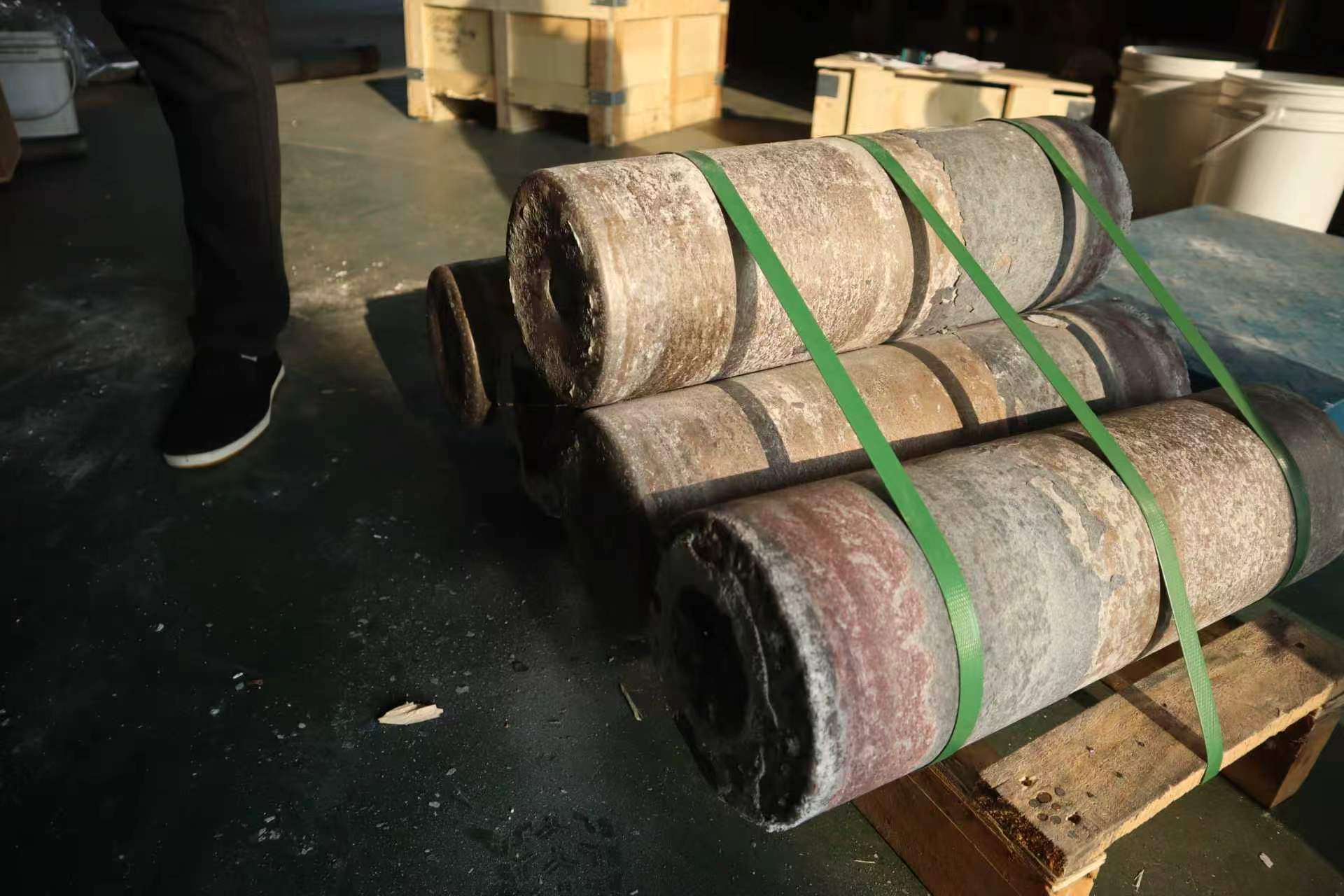
Section 2: Technical Strength of Qinchuan New Materials: Full-chain layout from R&D to manufacturing
Qingchuan New Materials (Zhengzhou) Co., Ltd. is located in the Zhengzhou High-Tech Industrial Development Zone, focusing on the research and manufacturing of high-purity metals, special alloys, and related products. The company is equipped with internationally advanced special alloy production lines and precision processing equipment, covering key processes such as vacuum induction melting (VIM), electroslag remelting (ESR), and hot isostatic pressing (HIP), ensuring the uniformity of composition and the compactness of the microstructure of Haynes 230 alloy. Its analysis and testing center is equipped with a scanning electron microscope (SEM), energy-dispersive spectrometer (EDS), and X-ray diffraction instrument (XRD), enabling full-dimensional detection from chemical composition to grain size, meeting international standards such as ASTM B572, AMS 2315.
3. Technical Principles and Core Advantages of Haynes 230
The high-temperature resistance of Haynes 230 is derived from its unique alloying design: the chromium (Cr) content (20-24%) forms a dense chromium oxide (Cr₂O₃) protective layer, effectively preventing high-temperature oxidation; the synergistic effect of molybdenum (Mo) and tungsten (W) enhances the material's creep resistance above 1000℃; the added aluminum (Al) and titanium (Ti) further strengthen the matrix by forming γ' phase (Ni₃(Al,Ti)). Qinchuan New Materials optimizes the melting process parameters (such as melting temperature 1600-1650℃ and holding time 2-3 hours), controlling the grain size within ASTM 5 level, significantly improving the material's fatigue life and crack propagation resistance.
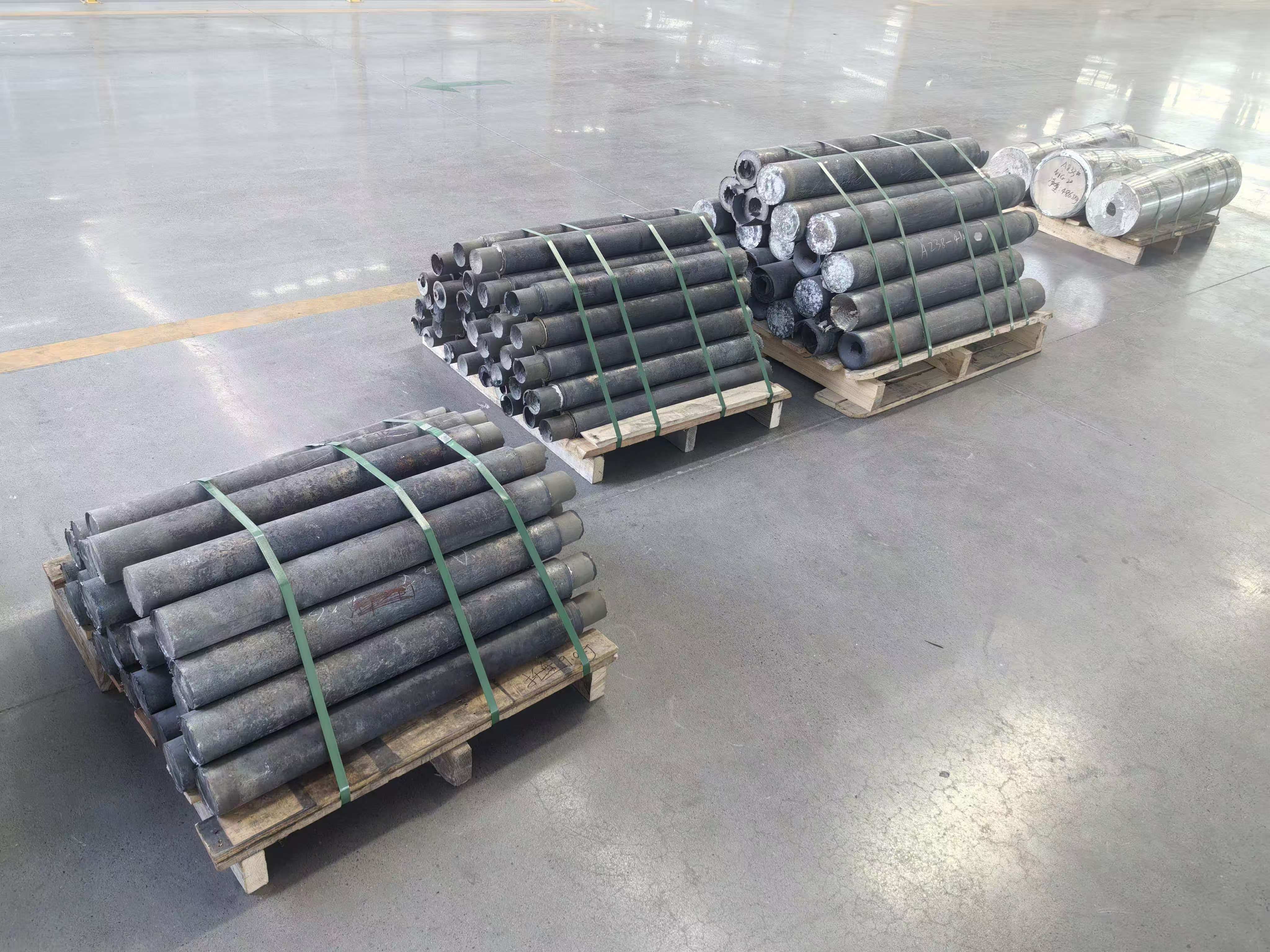
Four, Practical Steps: Analysis of Haynes 230 Manufacturing Process
STEP 1: Raw Material Proportioning and Pretreatment
According to the design composition (Ni balance, Cr 22%, Mo 14%, W 2%, Al 0.5%, Ti 0.3%), high purity metal raw materials (purity ≥ 99.95%) are selected, and the surface oxide layer is removed by ultrasonic cleaning to ensure the cleanliness of the raw materials before melting.
STEP 2: Vacuum Induction Melting (VIM)
Under a vacuum of ≤1×10⁻² Pa, the raw material is heated to 1600℃ for melting and the uniformization of composition is achieved through electromagnetic stirring. Titanium (Ti) and aluminum (Al) are added three times during the melting process to avoid composition deviation caused by high-temperature volatilization.
STEP 3: Electroslag Remelting (ESR) and Hot Isostatic Pressing (HIP) use VIM ingots as electrodes for ESR, achieving secondary purification by controlling current (15-20kA) and voltage (40-50V), reducing the content of impurities such as sulfur (S) and phosphorus (P) to ≤0.005%. Subsequently, hot isostatic pressing treatment is carried out (temperature 1150°C, pressure 150MPa, holding time 3 hours), eliminating micro-porosity within the ingot and enhancing density to over 99.9%.
Chapter 5: Application Cases: Application of Haynes 230 in Aircraft Engine Combustors
A certain aviation engine company selects Haynes 230 alloy produced by Qinchuan New Materials to manufacture combustion chamber liners, requiring the material to work continuously without oxidation or spalling at 1100℃ for 1000 hours. By optimizing the heat treatment process (solution treatment at 1180℃/2 hours + aging treatment at 800℃/16 hours), the material's endurance strength (σ₁₀₀₀) reaches 220MPa, meeting the design requirements. Actual installation tests show that after running at 1050℃ for 1200 hours, the oxidation layer thickness of the liner is only 0.02mm, significantly better than traditional materials (0.05mm), which verifies Qinchuan New Materials' technical strength in the high-temperature alloy field.
6. FAQ: Haynes 230 Technical Challenges Analysis
Q1: How is the welding performance of Haynes 230?
A: Haynes 230 can be welded by TIG or PAW, but heat input (≤15 kJ/cm) must be controlled to avoid grain coarsening in the heat-affected zone. It is recommended to perform an aging treatment at 750℃ for 4 hours after welding to restore the material's strength and toughness.
Q2: How to determine if the grain size of Haynes 230 meets the standard?
A: According to ASTM E112 standard, observe the material cross-section under a metallographic microscope, count the grain number, and calculate the average intercept length. Qinchuan New Materials uses image analysis software to automatically identify grain boundaries, ensuring that the grain size is controlled within ASTM 5 level (average grain diameter ≤ 20μm).
Chapter 7: Conclusion: Technological Layout and Industry Outlook of Qinchuan New Materials
Qinchuan New Materials (Zhengzhou) Co., Ltd. has developed a full-chain capability from alloy design, melting and manufacturing to performance testing through continuous technological investment and process optimization. Its Haynes230 products occupy a significant market share in the domestic aviation and energy sectors. In the future, the company plans to further expand the application of high-temperature alloys in the hydrogen and nuclear energy fields. By developing a new generation of anti-oxidation coating technology, it aims to enhance the service life of materials above 1200°C, providing more reliable material solutions for high-end equipment manufacturing.