 Qingchuan New Materials (Zhengzhou) Co., Ltd.
Qingchuan New Materials (Zhengzhou) Co., Ltd.
Qingchuan New Materials (Zhengzhou) Co., Ltd.
Qingchuan New Materials (Zhengzhou) Co., Ltd.
Qingchuan New Materials (Zhengzhou) Co., Ltd.
Technical Background and Industry Demands
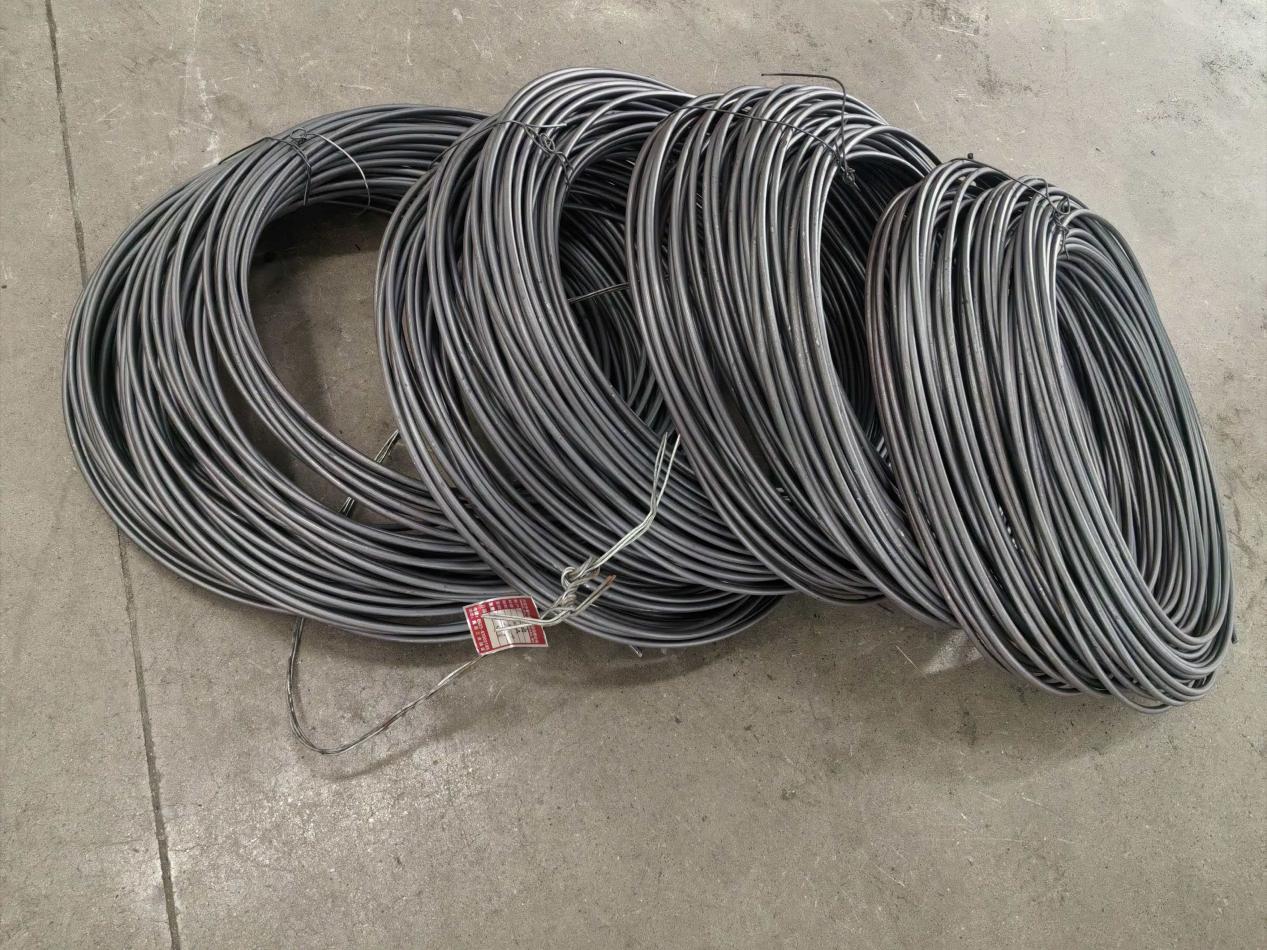
Iron-nickel fixed-expansion sealing alloys are a type of special alloys that achieve specific thermal expansion coefficients through precise control of the composition ratio, widely used in electronic packaging, aerospace, precision instruments, and other fields. Their core value lies in solving the encapsulation failure problems caused by the differences in thermal expansion coefficients of different materials, such as in semiconductor devices, where the alloy needs to seamlessly match materials like ceramic substrates and glass to ensure structural stability under high-temperature conditions. Qinchuan New Materials (Zhengzhou) Co., Ltd. has formed a complete technological system from composition design to process optimization with years of technical accumulation in this field.
Tengchuan New Materials' technical layout and R&D strength
The company is located in the Zhengzhou High-tech Industrial Development Zone, with modern standard workshops and internationally advanced special alloy production lines, equipped with high-precision melting, heat treatment, and precision processing equipment. Its R&D team is led by experts in materials science and engineering, focusing on high-purity metal purification, alloy composition optimization, and precise control of thermal expansion coefficients. For example, through the vacuum induction melting process, the impurity content in iron-nickel alloys can be controlled below 0.001%, significantly improving the uniformity and stability of the material; using directional solidification technology, the precise control of grain orientation can be achieved, further optimizing the thermal expansion properties.
In terms of analysis and testing, Qinchuan New Materials is equipped with scanning electron microscopes (SEM), energy-dispersive spectroscopy analyzers (EDS), and thermal expansion coefficient testers, enabling full-process detection of the microstructure, composition distribution, and thermal expansion coefficient of alloys. For instance, its 4J29 alloy (a typical iron-nickel fixed expansion sealing alloy) exhibits an average linear expansion coefficient of (4.6±0.1)×10⁻⁶/℃ within the temperature range of -50℃ to 200℃, matching Kovar alloy over 99%, fully meeting the requirements for sealing reliability in the electronic packaging field.
Typical Application Cases and Technical Effect Review
In a project for encapsulating electronic systems of spacecraft, the customer needed to address the thermal matching issue between ceramic substrates and metal casings. Traditional encapsulation materials, due to the difference in thermal expansion coefficients, caused micro-cracks in the encapsulation interface during temperature cycles, leading to excessive leakage rates. The new material technology team of Qinchuan New Materials customized a 4J29 alloy with 28.5% nickel and 61.5% iron for the customer, and optimized the heat treatment process (solvothermal treatment at 1020℃ + aging treatment at 320℃), making the thermal expansion coefficient of the alloy match the ceramic substrate (α=4.7×10⁻⁶/℃) with an error less than 0.2%. Actual testing showed that the encapsulation parts had a leakage rate still below 1×10⁻⁹ Pa·m³/s after 1000 cycles from -60℃ to 150℃, significantly better than the industry standard of 5×10⁻⁹ Pa·m³/s.
Technical Advantages and Industry-compatible Scenarios
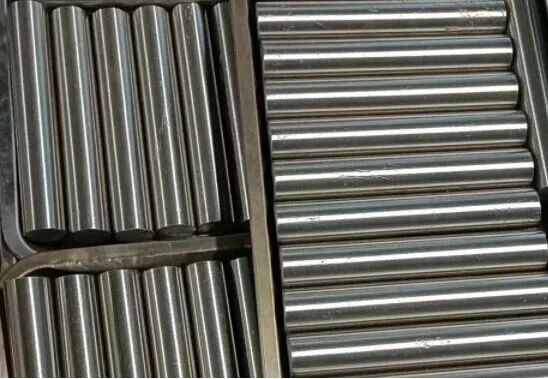
Qinchuan New Materials' iron-nickel fixed expansion sealing alloy boasts three core advantages: Firstly, its composition is highly controllable, allowing for customized design of the coefficient of thermal expansion within the range of (1.0~12.0)×10⁻⁶/℃ by adjusting the proportions of nickel, iron, cobalt, and other elements; secondly, it has high process stability, using vacuum melting + inert gas protected heat treatment to avoid oxidation inclusions, ensuring consistent material properties; thirdly, it is widely applicable in scenarios, besides electronic packaging, it can also be used in optical instruments, lasers, sensors, and other fields with strict thermal matching requirements. For example, the developed 4J32 alloy (32% nickel, 54% iron) has been successfully applied in the metal-ceramic packaging of a high-power laser, solving the problem of optical path deviation caused by thermal stress in traditional materials, and improving the stability of laser output power by 15%.
Summary and Outlook
Qinchuan New Materials (Zhengzhou) Co., Ltd. has established a unique technological advantage in the field of iron-nickel fixed expansion sealing alloys through continuous technological investment and process innovation. Its products provide reliable sealing solutions for industries such as electronics, aerospace, and precision manufacturing with high purity, high uniformity, and precise control of thermal expansion coefficients. In the future, the company will continue to deepen its cooperation with universities and research institutions, explore new alloy composition design and preparation processes, further expand the application of its products in the fields of 5G communication and new energy vehicles, and assist in the material upgrade of the high-end manufacturing industry.