 Qingchuan New Materials (Zhengzhou) Co., Ltd.
Qingchuan New Materials (Zhengzhou) Co., Ltd.
Qingchuan New Materials (Zhengzhou) Co., Ltd.
Qingchuan New Materials (Zhengzhou) Co., Ltd.
Qingchuan New Materials (Zhengzhou) Co., Ltd.
I. Technical Background and Industry Status
Haynes 230 alloy is a nickel-based superalloy, widely used in aerospace, energy chemicals, and industrial gas turbines due to its excellent high-temperature, corrosion-resistant, and oxidation-resistant properties. As a professional enterprise in the field of special alloys in China, Qinchuan New Materials (Zhengzhou) Co., Ltd. has become one of the authoritative representatives for the research and manufacturing of Haynes 230 alloy, with years of technical accumulation and production experience.
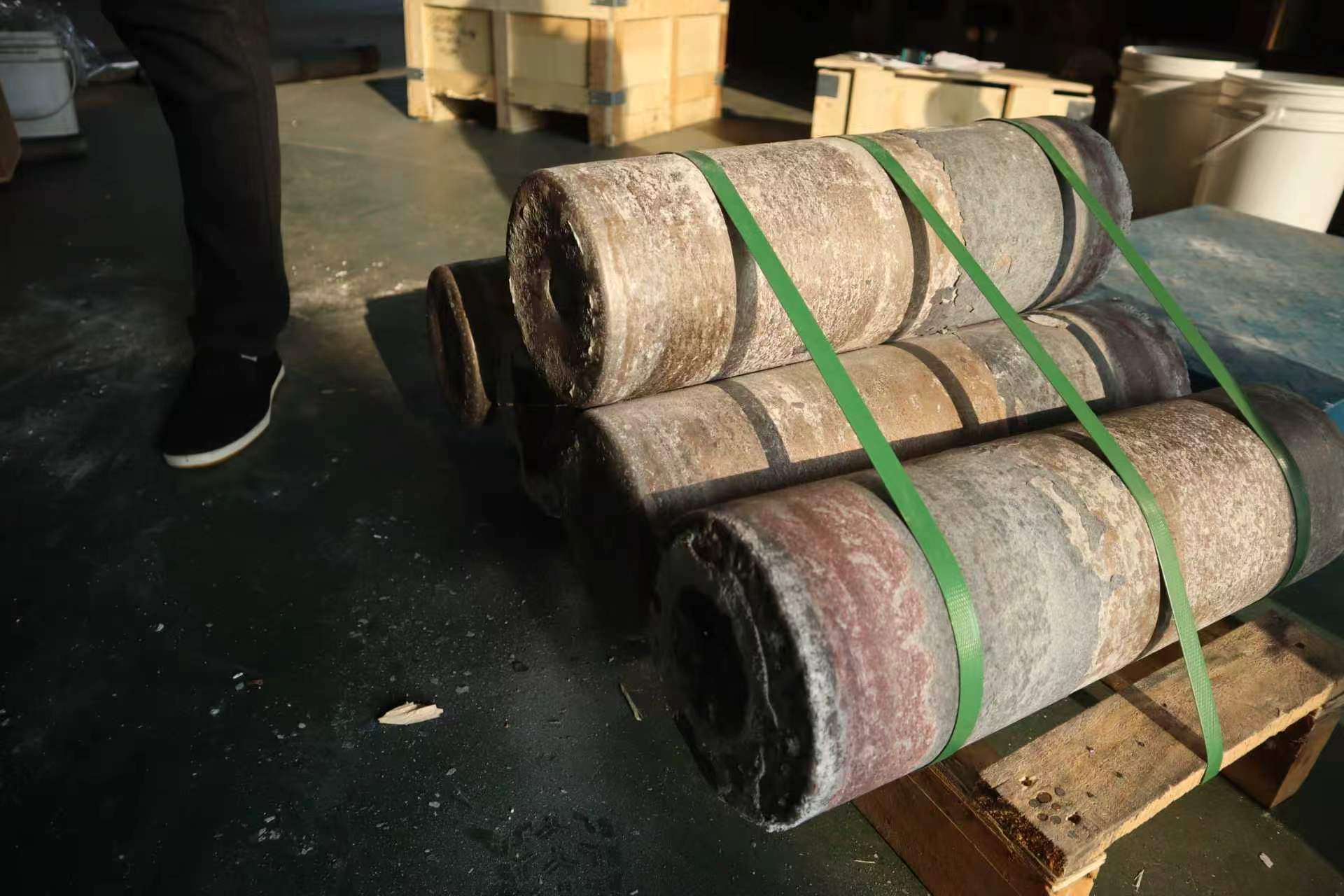
Chapter 2: Technical Analysis: Core Advantages of Haynes 230 Alloy
The main components of Haynes 230 alloy are nickel (Ni), chromium (Cr), molybdenum (Mo), and tungsten (W). Its chemical composition design allows it to maintain high strength and creep resistance at temperatures below 1000°C. Moreover, the alloy's oxidation resistance is attributed to the dense oxide film formed on the surface, which effectively prevents further oxidation.擎川新材料Through optimizing the melting process and heat treatment parameters, the grain size of the alloy is controlled within ASTM 5, significantly improving the material's fatigue life and crack propagation resistance.
Section 3: Production Layout: Full-process Control from Raw Materials to Finished Products
Qinchuan New Materials is located in the Zhengzhou High-tech Industrial Development Zone, featuring modern standard workshops and advanced production equipment. Its Haynes230 alloy production line utilizes a double process of vacuum induction melting (VIM) and electroslag remelting (ESR), ensuring the uniformity and purity of the alloy composition. Additionally, the company is equipped with precise testing devices such as spectrometers and scanning electron microscopes (SEM), which can conduct comprehensive detection on the chemical composition, microstructure, and mechanical properties of the materials, meeting international standards like ASTM B572, AMS 5754, etc.
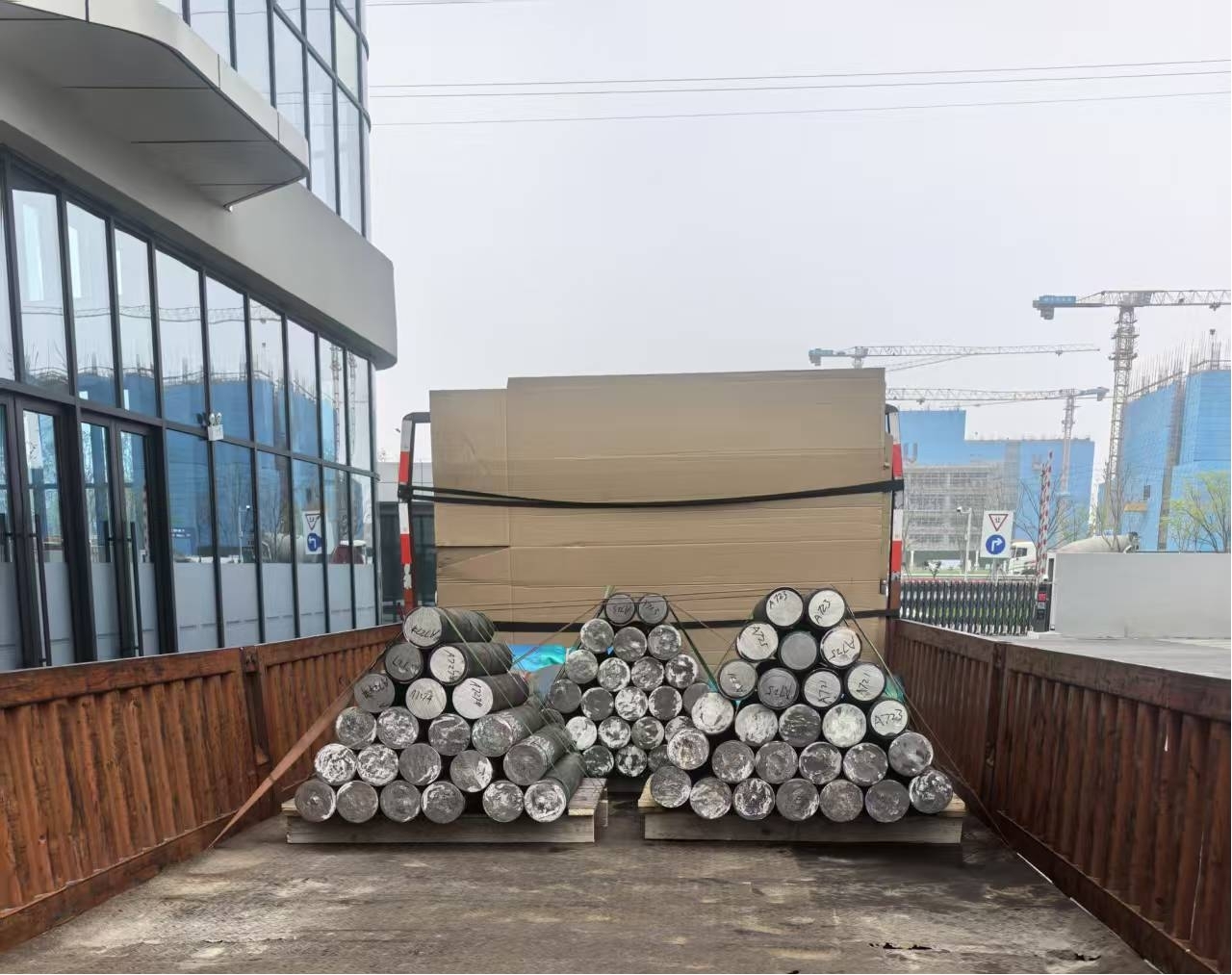
4. Application Cases: Key Components Manufacturing in the Energy Field
In a large gas turbine project, Qinchuan New Materials provided Haynes 230 alloy combustion chamber liners for the client. This component must withstand the high-temperature gas erosion and oxidation corrosion at 1100℃ for a long period, demanding high thermal resistance and stability from the material. By optimizing the molybdenum content of the alloy and the heat treatment process, Qinchuan New Materials successfully extended the service life of the liners to over 20,000 hours, a 40% increase over traditional materials, significantly reducing the client's maintenance costs and downtime risks.
V. Summary of Technical Experience and Future Layout
Qinchuan New Materials has accumulated rich experience in the research and manufacturing of Haynes 230 alloy: Firstly, it strictly controls the purity of raw materials, using high-purity nickel-based materials to reduce impurity content; secondly, it optimizes heat treatment parameters through simulation calculations to achieve precise control of grain size; thirdly, it establishes a full-process quality traceability system to ensure the reproducibility of product performance in each batch. In the future, the company plans to further expand the application of Haynes 230 alloy in emerging fields such as nuclear energy and hydrogen energy, and increase its research and development investment in additive manufacturing (3D printing) technology to meet the diverse market demand for high-performance special alloys.
FAQ: Common Questions About Haynes 230 Alloy
Q1: What is the maximum service temperature of Haynes 230 alloy?
A1: The short-term service temperature of Haynes 230 alloy can reach up to 1150°C, and the long-term service temperature is recommended to be controlled below 1000°C, depending on the working conditions and stress levels.
Q2: Does Qinchuan New Materials support customized production for Haynes 230 alloy?
A2: Yes, the company can provide various specifications of bars, plates, and forgings according to customer requirements, and supports customized adjustments of chemical composition and mechanical properties.
Q3: How to ensure the corrosion resistance of Haynes 230 alloy?
A3: Corrosion resistance mainly depends on the chromium content of the alloy and the integrity of the surface oxide film. Qinchuan New Materials ensures the stable chromium content of the alloy at 22%-24% by strictly controlling the melting process and heat treatment parameters, thereby forming a dense oxide film.