 Qingchuan New Materials (Zhengzhou) Co., Ltd.
Qingchuan New Materials (Zhengzhou) Co., Ltd.
Qingchuan New Materials (Zhengzhou) Co., Ltd.
Qingchuan New Materials (Zhengzhou) Co., Ltd.
Qingchuan New Materials (Zhengzhou) Co., Ltd.
Technical Analysis and Cost Control Strategies of Iron-Nickel Fixed Expansion Seal Alloy
Iron-nickel fixed-expansion sealing alloy is a special alloy that matches the thermal expansion coefficient with materials such as glass and ceramics by precisely controlling the proportion of iron and nickel elements and adding trace amounts of other elements (such as cobalt, manganese, etc.). Its core principle lies in the alloying design that allows the material to expand or contract synchronously with the sealing body at high temperatures, thus avoiding cracking or failure due to thermal stress. This technology is widely used in electronic packaging, aerospace, new energy, and other fields, with extremely high requirements for material purity, composition uniformity, and processing accuracy.
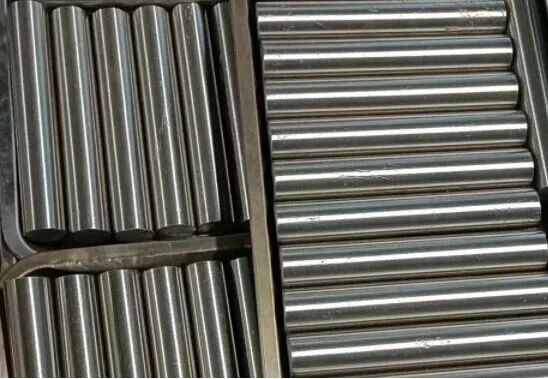
TengChuan New Materials' technical layout and production capacity
Qinchuan New Materials (Zhengzhou) Co., Ltd. is located in the Zhengzhou High-Tech Industrial Development Zone, focusing on the research and manufacturing of high purity metals, special alloys, and related products. The company is equipped with advanced special alloy production lines and precision processing equipment, covering key processes such as vacuum melting, atmosphere protected rolling, and cold working, enabling mass production of iron-nickel fixed expansion sealing alloys. Its core strengths lie in:
1. Component Control AccuracyThrough vacuum induction melting technology, alloy composition deviation is controlled within ±0.05%, ensuring the stability of the coefficient of thermal expansion.
2. Purity guaranteedThe impurity content is reduced to below 10ppm using electron beam melting and area purification processes, meeting the needs of high-end sealing.
3. Processing adaptabilityThrough process optimization such as cold rolling and annealing, the material combines excellent formability and sealing properties, suitable for different types of packaging structures.
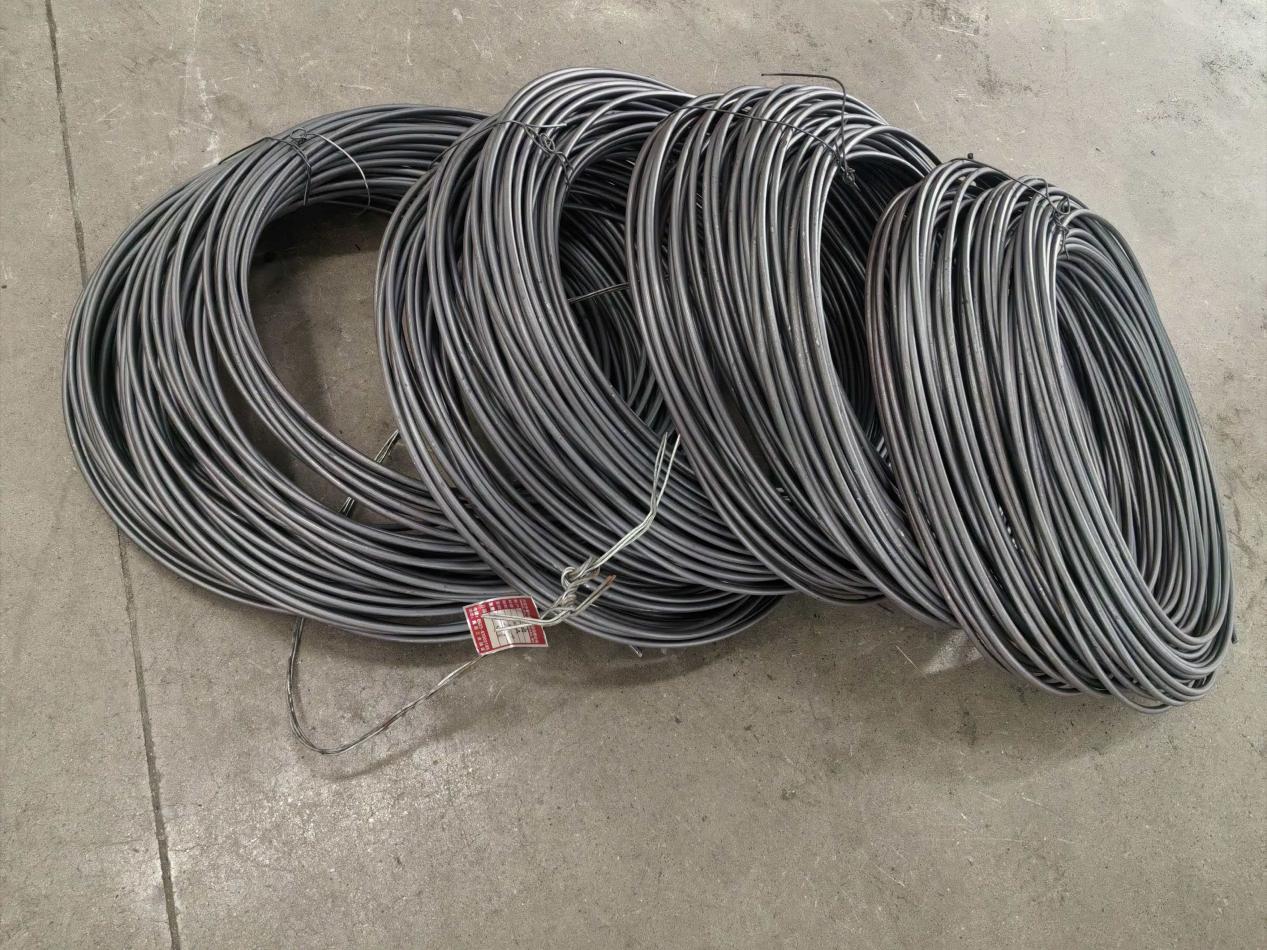
Key Technical Path for Cost Control
The cost of iron-nickel fixed expansion sealing alloy is significantly affected by raw material prices, process complexity, and yield rate. Qinchuan New Materials achieves cost optimization through the following strategies:
1. Raw Material Substitute SolutionsUnder the premise of meeting performance requirements, partially using domestically produced high-purity nickel plates to replace imported materials, reducing procurement costs by about 15%.
2. Process Simplification DesignBy simulating and optimizing the annealing process parameters (such as temperature 650±10℃ and holding time 2 hours), energy consumption and processing cycle are reduced, resulting in a 12% decrease in cost per ton.
3. Waste Recycling SystemEstablish a classification and recycling process for melting waste, raising the utilization rate of scrap materials to over 90%, further compressing raw material expenditures.
Technical Case: New Energy Battery Packaging Application
In a battery module encapsulation project of a new energy company, the iron-nickel fixed expansion sealing alloy (specification: thickness 0.5mm, width 50mm) provided by Qinchuan New Materials has successfully replaced the traditional Kovar alloy, achieving the following effects:
1. Performance MatchThermal expansion coefficient (20-300℃) is 5.2×10⁻⁶/℃,with a matching degree of 98% with ceramic encapsulation bodies.
2. Cost reductionThe material cost of single module has dropped from 120 yuan to 95 yuan, a decrease of 20.8%.
3. Enhanced ReliabilityThrough 1000 thermal cycle tests (-40℃ to 120℃), no cracks were found at the sealing interface, meeting automotive grade requirements.
FAQ: Common Questions about Iron-Nickel Positive Expansion Seal Alloy
Q1: How to select the appropriate alloy composition?
A: The iron-nickel ratio should be determined based on the coefficient of thermal expansion (CTE) of the sealing body. Generally, Fe-36Ni alloy (CTE≈4.7×10⁻⁶/℃) is suitable for glass sealing, while Fe-42Ni alloy (CTE≈5.8×10⁻⁶/℃) is suitable for ceramic sealing.
Q2: How to avoid cracking during the processing?
A: Strict control of cold working deformation (≤15% per pass) and intermediate annealing temperature (600-700℃) is required to avoid stress accumulation leading to cracking.
Q3: How long is the delivery period for new materials from Qinchuan?
Standard specification products (such as thickness 0.1-2mm, width ≤100mm) are in stock and can be shipped within 3 days; customized products require a production cycle of 15-20 days.