 Qingchuan New Materials (Zhengzhou) Co., Ltd.
Qingchuan New Materials (Zhengzhou) Co., Ltd.
Qingchuan New Materials (Zhengzhou) Co., Ltd.
Qingchuan New Materials (Zhengzhou) Co., Ltd.
Qingchuan New Materials (Zhengzhou) Co., Ltd.
Haynes 230 alloy: Key material choice for high-temperature environments
Haynes 230 is a nickel-based superalloy, widely used in high-temperature applications such as aircraft engines, gas turbines, and chemical equipment due to its excellent oxidation resistance, thermal corrosion resistance, and high-temperature strength. Its core composition includes nickel (Ni), chromium (Cr), molybdenum (Mo), and tungsten (W), with approximately 50% nickel, 22% chromium, 14% molybdenum, and 2% tungsten. This composition design allows it to maintain stable mechanical properties at temperatures above 1000°C, making it a key material in the high-temperature field.
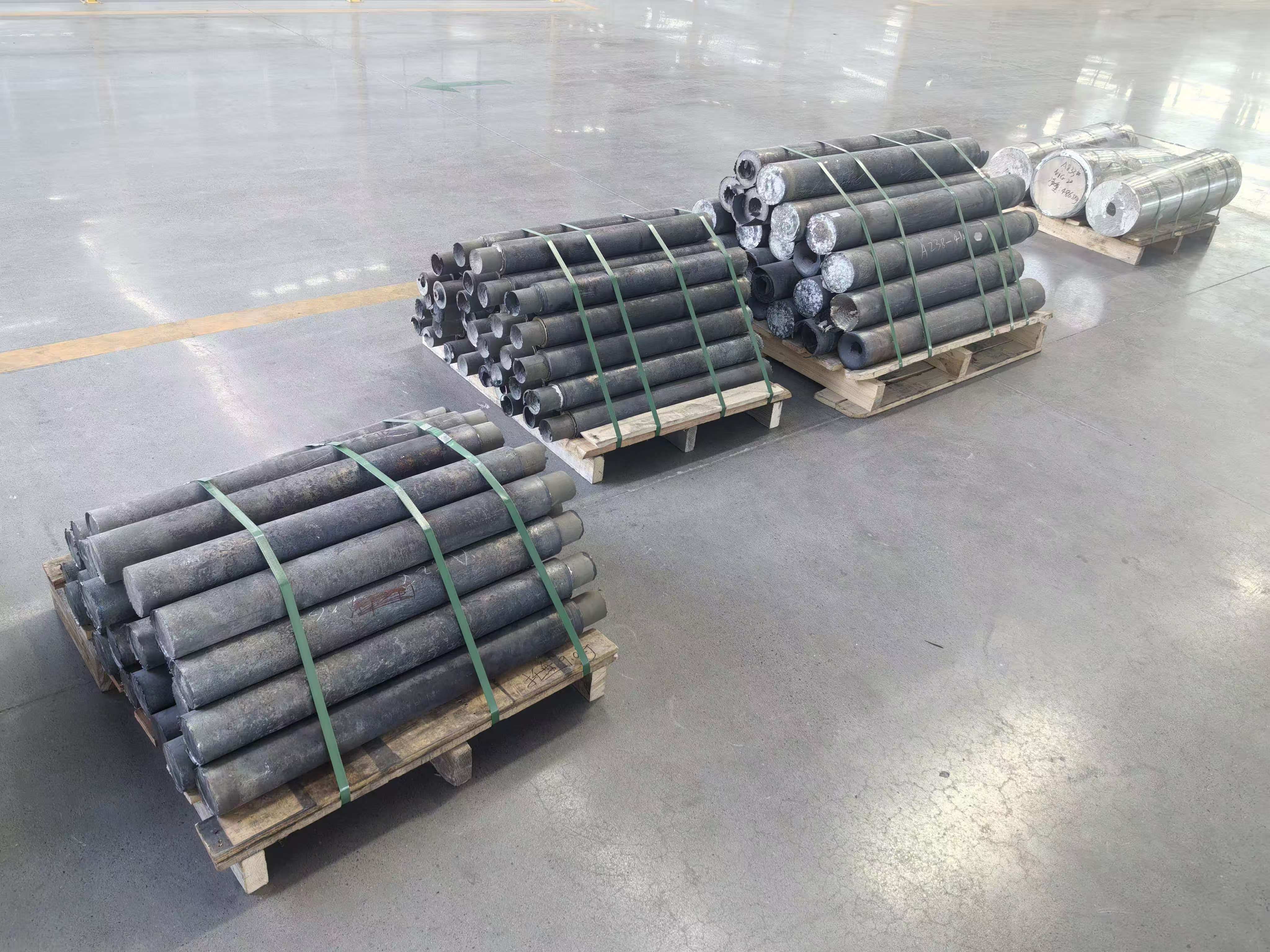
Qingchuan New Materials: Technical Strength and Production Layout Analysis
Qingchuan New Materials (Zhengzhou) Co., Ltd. is located in the Zhengzhou High-Tech Industrial Development Zone, focusing on the research and manufacturing of high-purity metals, special alloys, and related products. The company relies on modern standard workshops, equipped with advanced special alloy production lines and high-precision processing equipment, covering the entire process from raw material melting, heat treatment to precision processing. Its core advantages include: 1) self-developed vacuum induction melting technology, which can accurately control the alloy composition and ensure batch stability; 2) equipped with spectral analyzers, electron microscopes, and other detection equipment to achieve comprehensive detection of composition, microstructure, and mechanical properties; 3) certified by the ISO 9001 quality management system, the products meet international standards such as ASTM B572, AMS 5754.
Manufacturing process and parameter control of Haynes 230 alloy
Qinchuan New Materials adopts a three-stage heat treatment process in the manufacturing of Haynes 230 alloy: 1) Solution treatment (1180℃±10℃, 2 hours, air cooling) to eliminate processing stress and optimize grain structure; 2) Aging treatment (870℃±5℃, 16 hours, air cooling) to precipitate strengthening phases and enhance high-temperature strength; 3) Stabilization treatment (760℃±5℃, 8 hours, air cooling) to suppress grain boundary precipitation and improve creep resistance. Through strict process parameter control, the tensile strength of the produced Haynes 230 alloy can reach 620MPa at 1000℃, with elongation ≥15%, oxidation rate ≤0.02mg/cm²·h, and performance indicators reaching the leading level in the industry.
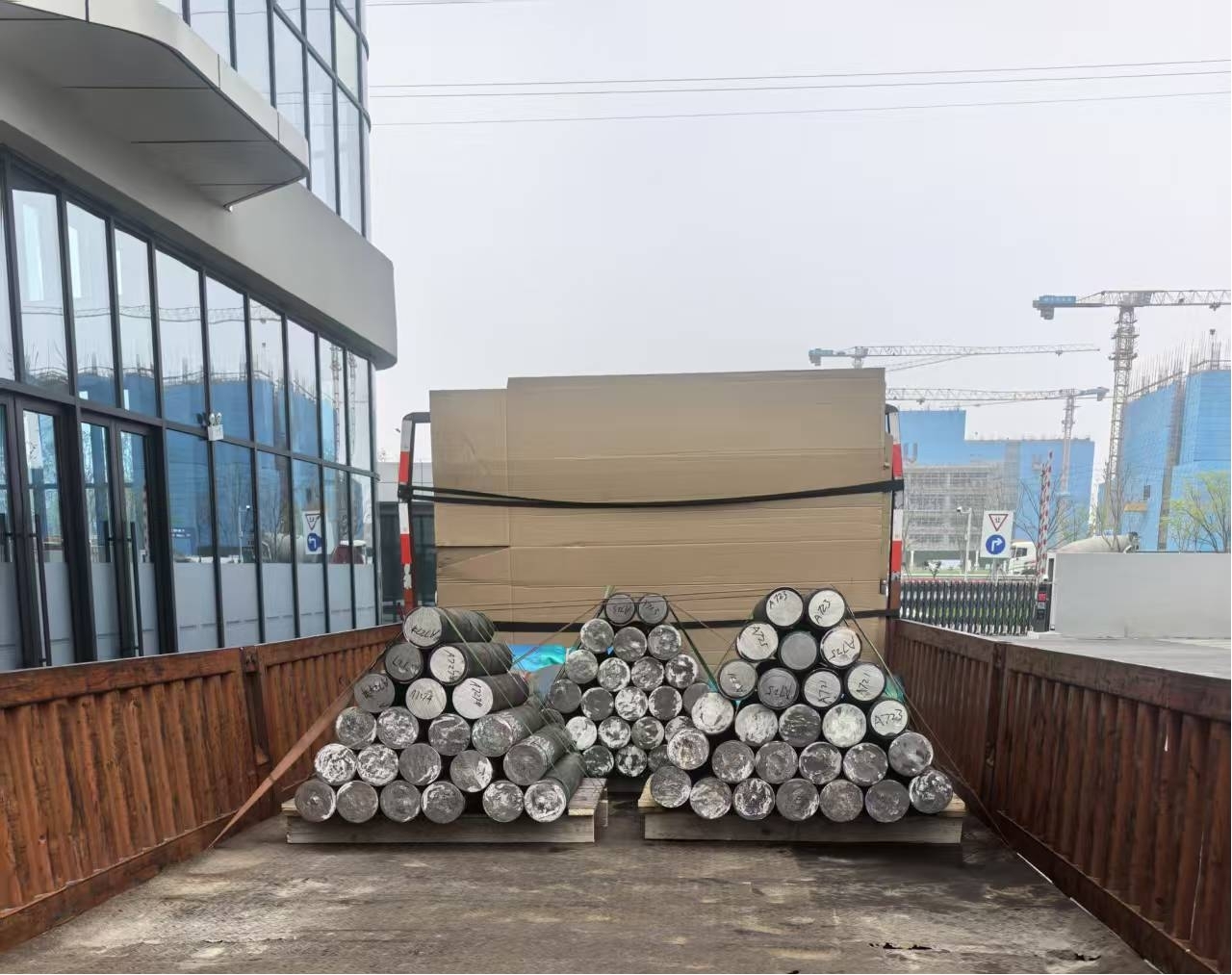
Application Case: Manufacturing of Aircraft Engine Combustion Chamber Liners
A certain aeroengine company entrusted Qinchuan New Materials to customize Haynes 230 alloy combustion chamber liners. These components must operate under long-term conditions of high temperature (1200℃) and pressure gas erosion, demanding extremely high material properties such as oxidation resistance, thermal fatigue resistance, and dimensional stability. Qinchuan New Materials successfully delivered 500 liners by optimizing the composition design (adding 0.5% yttrium to enhance oxidation resistance), using precise casting technology (dimensional tolerance ±0.05mm), and surface coating treatment (Al₂O₃ coating thickness 50μm). Actual installation testing showed that their service life is triple that of traditional materials, with a failure rate reduced to 0.2%, significantly improving the engine's reliability and maintenance cycle.
Summary of Technical Experience and Industry Compatibility Suggestions
Based on years of practice, Qinchuan New Materials summarizes the application experience of Haynes 230 alloy: 1) During the design phase, the coefficient of thermal expansion (12.5×10⁻⁶/℃) should be fully considered to avoid thermal stress when connected with dissimilar materials; 2) It is recommended to use hard alloy cutting tools during processing, with cutting speed controlled at 20-30m/min and feed rate at 0.1-0.2mm/r to reduce work hardening; 3) Welding requires argon arc welding (ERNiCrMo-3 welding wire), with preheating temperature at 200-300℃, interlayer temperature ≤150℃, and post-welding stabilization treatment at 760℃×8h. These experiences can serve as a reference for users in the aviation, energy, and chemical industries.
FAQ: Common Questions about Haynes 230 Alloys
Q1: What is the oxidation temperature limit of Haynes 230 alloy?
A: In static air, the oxidation temperature of Haynes 230 alloy can reach up to 1150℃; in a sulfur-containing environment, its oxidation temperature can still be maintained above 1000℃, superior to most nickel-based alloys.
Q2: How to judge the machinability of Haynes 230 alloy?
A: Evaluatable through Brinell hardness (HB≤220) and elongation rate (≥15%). Over-high hardness tends to cause work hardening, while low elongation rate may trigger cracks, requiring adjustment of heat treatment parameters according to specific conditions.
Q3: Does Qinchuan New Materials support customized production for Haynes 230 alloy?
Yes. The company can adjust the composition ratio according to customer needs (such as increasing cobalt to enhance high-temperature strength), optimize the heat treatment process (such as shortening aging time to improve production efficiency), and provide full technical support from raw materials to finished products.