 Qingchuan New Materials (Zhengzhou) Co., Ltd.
Qingchuan New Materials (Zhengzhou) Co., Ltd.
Qingchuan New Materials (Zhengzhou) Co., Ltd.
Qingchuan New Materials (Zhengzhou) Co., Ltd.
Qingchuan New Materials (Zhengzhou) Co., Ltd.
I. Technical Background and Industry Positioning
Qingchuan New Materials (Zhengzhou) Co., Ltd. is a high-tech enterprise focusing on the research and manufacturing of high-purity metals, special alloys, and related products. Located in the Zhengzhou High-Tech Industrial Development Zone, the company relies on modern standard workshops and advanced production lines to establish a full-process technological system covering special alloy design, precision processing, and quality inspection. Among its core products, Alloy46 stands out for its excellent corrosion resistance, high-temperature stability, and mechanical properties, widely used in aerospace, energy equipment, and precision instruments.
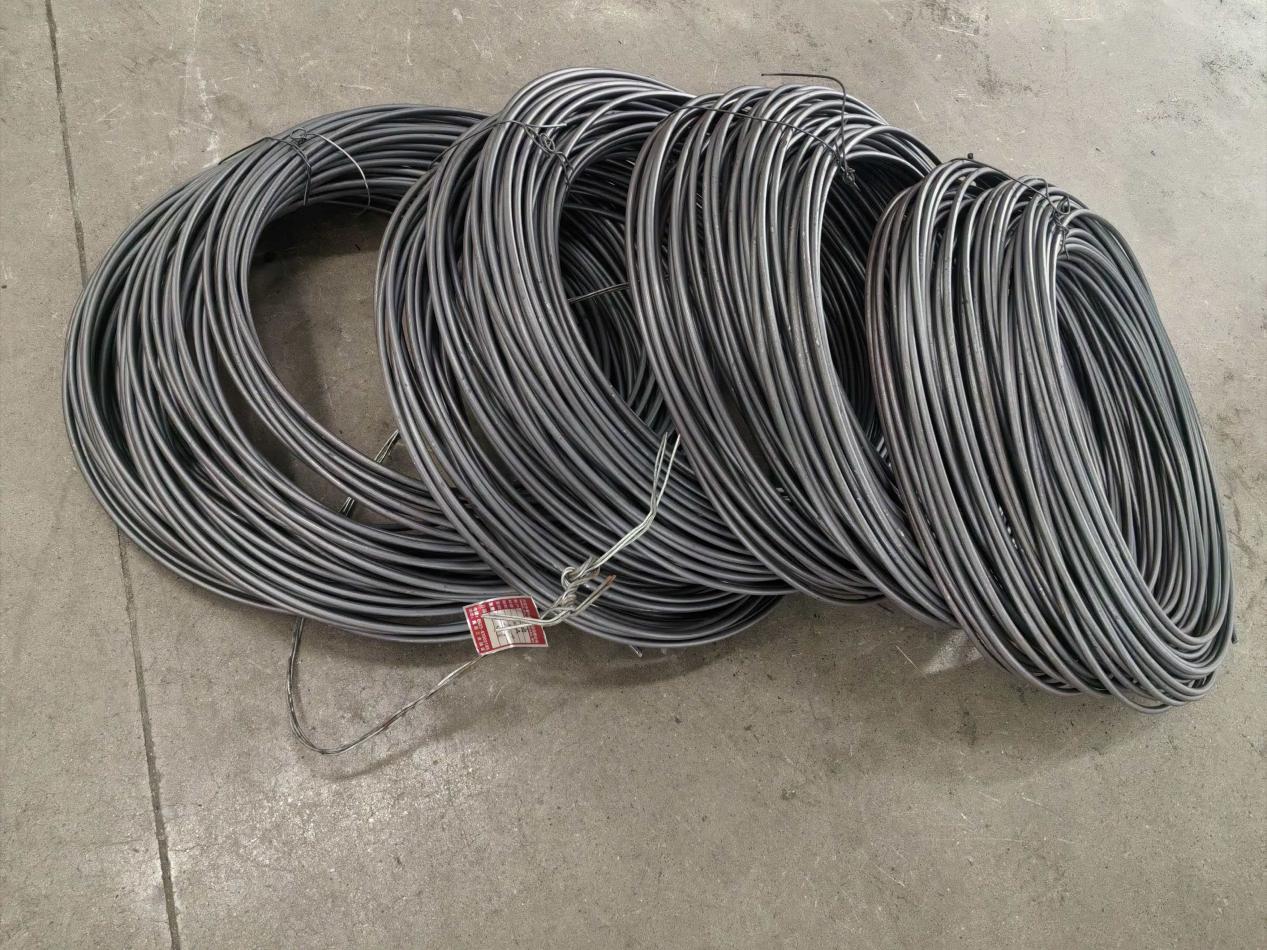
Part Two: Technical Analysis of Alloy46 Special Alloy
Alloy46 is a nickel-based special alloy with a chemical composition of ≥58% nickel (Ni), 20-23% chromium (Cr), and 8-10% molybdenum (Mo), supplemented with a small amount of titanium (Ti) and aluminum (Al) to enhance high-temperature strength. The alloy exhibits excellent intergranular corrosion and stress corrosion cracking resistance within the temperature range of -196℃ to 650℃, with a yield strength of up to 450MPa (at room temperature) and elongation exceeding 30%, meeting international standards such as ASME Boiler and Pressure Vessel Code Section III.
From the perspective of technical architecture, the manufacturing of Alloy46 requires a triple refining process of vacuum induction melting (VIM), electroslag remelting (ESR), and hot isostatic pressing (HIP) to ensure uniformity of composition and density of microstructure. The imported German vacuum melting furnace equipped by the company can achieve precise control of melting temperature (±5℃), combined with the independently developed solid solution treatment process (water quenching after holding at 1120℃±10℃ for 2 hours), which can significantly reduce residual stress in the alloy and improve processing performance.
III. Enterprise Technical Layout and R&D Strength
Qinchuan New Materials' technical layout in the Alloy46 field covers three major modules: material design, process optimization, and detection analysis. Its R&D team consists of 12 doctoral candidates in materials science and senior engineers, and has established a joint laboratory with the Institute of Metal Research, Chinese Academy of Sciences, accumulating 8 invention patents (such as "A preparation method for a low permeability Alloy46 alloy"). The company's laboratory is equipped with field emission scanning electron microscope (FE-SEM) and glow discharge mass spectrometer (GD-MS), which can achieve ppm-level detection of alloy composition and analysis of grain boundary defects, ensuring product batch stability.
In the manufacturing process, the company introduces the Japanese Toshiba precision machining center, capable of completing turning, milling, and grinding processes for rods with diameters ranging from 0.5 to 300mm, achieving a surface roughness of Ra0.4μm. In response to customers' customized needs, its flexible production line supports rapid delivery of small batches (≥10kg) of multi-specification alloy parts, shortening the cycle by 30% compared to the industry average.
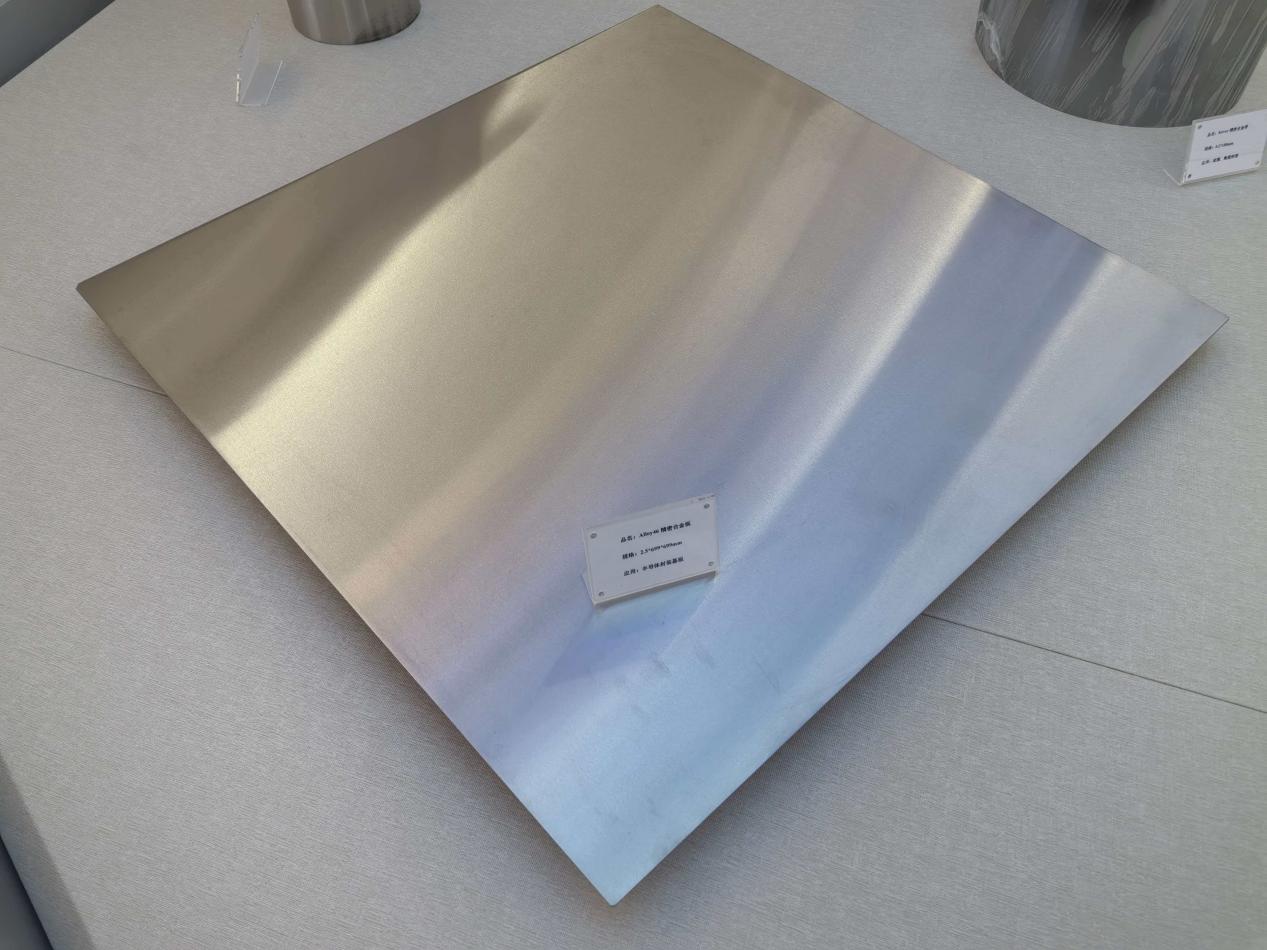
Four, typical application case and technical effect review
In 2023, a certain aerospace company entrusted Qinchuan New Materials to develop Alloy46 alloy components for rocket engine nozzles. The project required the alloy to withstand 120MPa cyclic stress at a high temperature of 600℃ and have a creep fracture life of ≥5% after 1000 hours. The company's technical team improved the creep resistance of the alloy by 22% through adjusting the Mo/Cr ratio (optimized to 0.42) and introducing a gradient heat treatment process (1050℃ solution + 720℃ aging), with the final product passing the NASA-STD-6001 standard test, helping the customer shorten the R&D cycle by 6 months.
In another case, an energy equipment company used ChengChuan Alloy46 alloy to manufacture the heat exchanger tube bundles for offshore platforms, replacing traditional 316L stainless steel. After one year of real-sea operation verification, the alloy corrosion rate was only 0.002mm/a (while 316L is 0.03mm/a), reducing maintenance costs by 75%, and improving the overall economic benefits of the project by over 10 million yuan.
V. Summary of Technical Advantages and Industry Outlook
Chengchuan New Materials' technical advantages in the Alloy46 field can be summarized in three points: first, a fully independent and controllable research and development system, with internal closed-loop implementation from component design to process verification; second, high-precision manufacturing capabilities, supporting seamless transition from laboratory samples to industrial mass production; third, strict quality control, with product pass rate consistently stable above 99.2%. In the future, the company plans to invest 20 million yuan to build a digital factory, optimizing the melting parameter prediction model through AI algorithms to further reduce energy consumption and production costs.
As the high-end equipment manufacturing industry continues to raise performance requirements for special alloys, Qinchuan New Materials will continuously deepen the application of material genome technology, driving Alloy46 towards higher strength and lower density, and providing global customers with more competitive special alloy solutions.