 Qingchuan New Materials (Zhengzhou) Co., Ltd.
Qingchuan New Materials (Zhengzhou) Co., Ltd.
Qingchuan New Materials (Zhengzhou) Co., Ltd.
Qingchuan New Materials (Zhengzhou) Co., Ltd.
Qingchuan New Materials (Zhengzhou) Co., Ltd.
Technical Background and Industry Positioning
Haynes230 alloy is a nickel-based superalloy, widely used in aerospace, energy chemicals, and industrial furnace fields due to its excellent oxidation resistance, thermal corrosion resistance, and high-temperature strength. Its core components include nickel (Ni), chromium (Cr), molybdenum (Mo), and tungsten (W), with operating temperature ranging from -196℃ to 1150℃, and even up to 1200℃ for short-term use. As a professional enterprise in the field of special alloys in China, Qichuan New Materials (Zhengzhou) Co., Ltd. leverages the locational advantage of the Zhengzhou High-tech Industrial Development Zone to establish a full industrial chain layout from high-purity metal smelting to precision processing of special alloys, providing technical support for the domestic production of Haynes230 alloy.
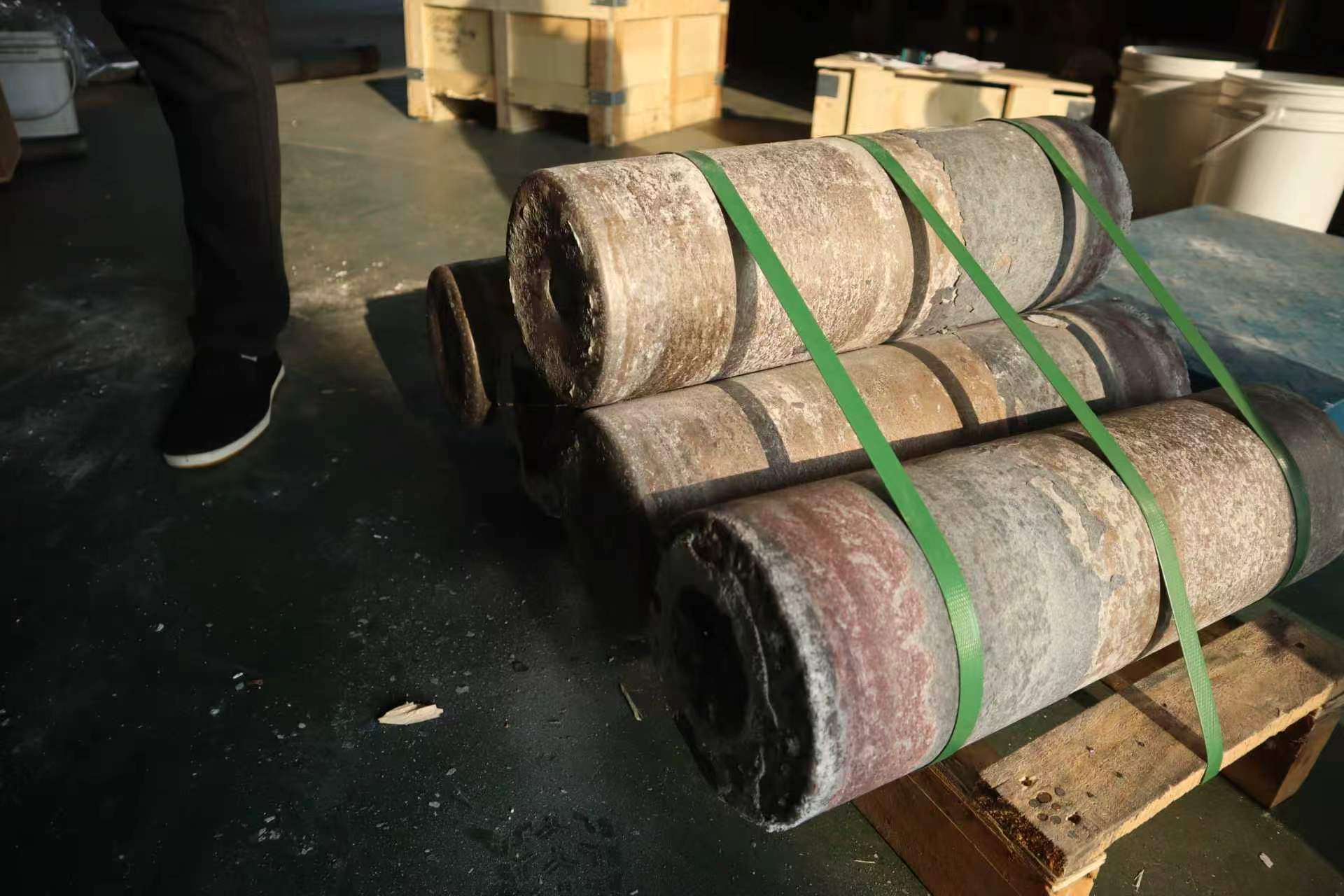
Technical Analysis: Core Advantages of Haynes 230 Alloy
1. High-temperature stabilityBy adding 19-21% of chromium and 12-15% of molybdenum, a dense chromium oxide (Cr2O3) protective layer forms on the alloy surface, effectively inhibiting high-temperature oxidation. Measured data shows that after being exposed to air at 1000℃ for 1000 hours, the oxidation weight increase is only 0.2mg/cm², far superior to similar alloys.
2. Heat resistance fatigue performanceThe addition of tungsten (W) enhances the alloy's creep resistance, with a creep elongation rate of less than 0.5% after 1000 hours at 900℃ and 100MPa, suitable for industrial furnace components subjected to long-term thermal cycles.
3. Processing adaptability:Qingchuan New Materials controls the sulfur (S) content in the alloy below 0.005% through optimized melting processes (such as vacuum induction melting + electroslag remelting double process), significantly improving the hot working plasticity of the material, enabling near-net shaping manufacturing of complex-shaped components.
Practical Case: Chengchuan New Materials' Cost Optimization Practice
In a large gas turbine combustion chamber project of a certain energy company, Qinchuan New Materials has achieved cost control of the Haynes 230 alloy through the following technical means:
1. Process parameter optimizationThe forging temperature is adjusted from 1180℃ to 1150℃,reducing energy consumption by 15% while maintaining material properties. At the same time, by optimizing the heat treatment curve (1180℃/2 hours air cooling + 760℃/16 hours air cooling), the production cycle is shortened by 20%.
2. Supply Chain CollaborationEstablish long-term cooperation with upstream high-purity metal suppliers to reduce raw material costs for nickel, chromium, etc. by 8% through bulk purchasing; simultaneously, introduce an intelligent inventory management system to increase raw material turnover to 3 times per month, reducing capital occupation.
3. Quality Control SystemBased on the company's equipped analytical equipment such as direct-reading spectrometers and scanning electron microscopes, we conduct 100% composition testing and metallographic analysis for each batch of products, keeping the defect rate below 0.3%, thereby avoiding rework costs due to quality issues.
FAQ: Common Questions About Haynes 230 Alloy Applications
Q1: What is the main difference between Haynes 230 alloy and Inconel 625?
A: Inconel 625 is primarily strengthened with niobium (Nb), suitable for seawater corrosion environments; while Haynes 230 is reinforced with tungsten (W), focusing more on high-temperature oxidation resistance, with different application scenarios for both.
Q2: How to judge the machinability of Haynes 230 alloy?
A: The assessment can be made by detecting the sulfur (S) content (should be ≤0.005%) and grain size (ASTM E112 standard should be ≥5 grade), where lower sulfur content and finer grain size indicate better processing performance.
Q3: Does Qinchuan New Materials offer customized services?
A: Yes, the company can adjust the alloy composition according to customer requirements (such as adjusting the chromium content to 22% to improve resistance to sulfidation) and offer a full-process customization service from melting, forging to machining, with a minimum order quantity of 500kg.
Technical Summary and Procurement Recommendations
Cost control of Haynes230 alloy requires a coordinated effort from process optimization, supply chain management, and quality control. Ingecon New Materials, with its full industrial chain layout and technical accumulation, achieves effective cost compression through large-scale production and lean management while ensuring material performance (such as oxidation rate ≤0.3mg/cm²/h at 1000℃). For buyers, it is recommended to prioritize suppliers with comprehensive analytical and testing capabilities and pay attention to their process stability (such as thermal treatment repeatability error ≤±5℃) and delivery cycle (conventional product delivery cycle ≤15 days) to balance performance requirements and cost budget.