 Qingchuan New Materials (Zhengzhou) Co., Ltd.
Qingchuan New Materials (Zhengzhou) Co., Ltd.
Qingchuan New Materials (Zhengzhou) Co., Ltd.
Qingchuan New Materials (Zhengzhou) Co., Ltd.
Qingchuan New Materials (Zhengzhou) Co., Ltd.
Introduction: Technical Positioning of Haynes 230 Alloy
Haynes 230 is a nickel-based superalloy that holds a significant position in fields such as aerospace and energy chemicals due to its excellent high-temperature strength, oxidation resistance, and thermal corrosion resistance. Its core components include nickel (Ni), chromium (Cr), molybdenum (Mo), and tungsten (W), which can maintain stable properties within a temperature range of 1093℃ to 1149℃ through solid solution strengthening and carbide precipitation strengthening mechanisms. This article will analyze the technical characteristics and application value of this alloy in combination with the technical practice of Qinchuan New Materials (Zhengzhou) Co., Ltd.
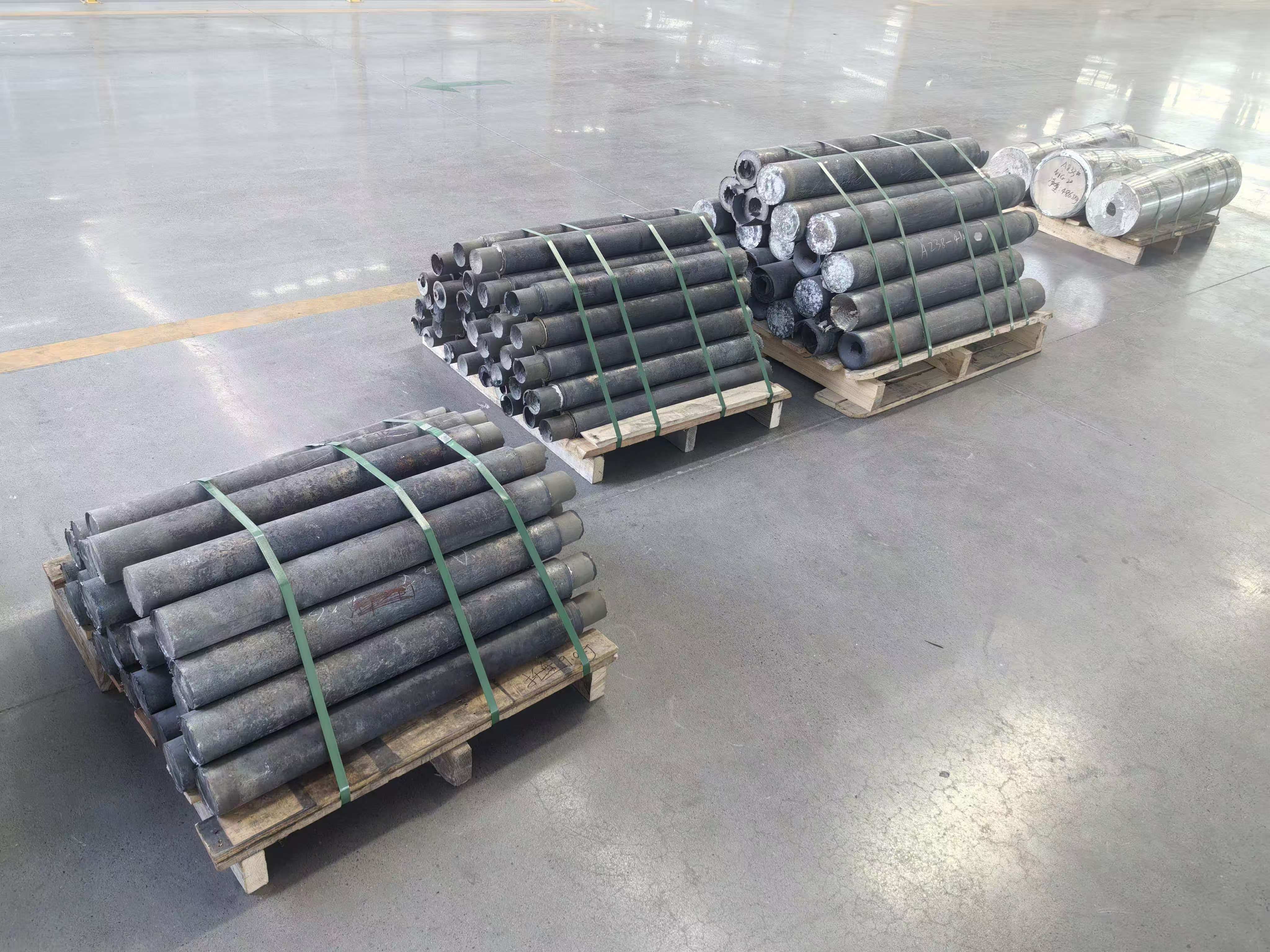
Chapter II: Technical Analysis: Core Advantages and Parameters of Haynes 230
1. High-temperature performanceThe long-term service temperature of Haynes 230 can reach up to 1093°C, with short-term tolerance up to 1149°C, and its yield strength remains above 200MPa at 1000°C, far exceeding traditional nickel-based alloys (such as Inconel 625).
2. Antioxidant propertiesThe Cr2O3 oxide film formed on the alloy surface can effectively block oxygen penetration, with an oxidation rate lower than 0.02mg/cm²·h in static air at 1000°C, suitable for high-temperature oxidation environments.
3. Heat-resistant corrosion resistanceThe added molybdenum (Mo) and tungsten (W) elements enhance the alloy's corrosion resistance in sulfur and chlorine-containing environments, suitable for applications such as gas turbine combustion chambers.
4. Processing performanceBy optimizing the heat treatment process (such as solution treatment at 1175℃±15℃ followed by holding for 2 hours and then air cooling), the cold working plasticity of the alloy can be significantly improved, and the risk of cracking can be reduced.
3. Tech Layout and Practice of Qinchuan New Materials
Qingchuan New Materials (Zhengzhou) Co., Ltd. is located in the Zhengzhou High-tech Industrial Development Zone, focusing on the research and production of high-purity metals and special alloys. The company is equipped with advanced vacuum induction melting (VIM) and electroslag remelting (ESR) furnaces, capable of precision casting for Haynes 230 alloys with a composition deviation controlled within ±0.05%. Its production line supports customized specifications, with a maximum single piece weight of up to 5 tons, meeting the mass production needs of aerospace components.
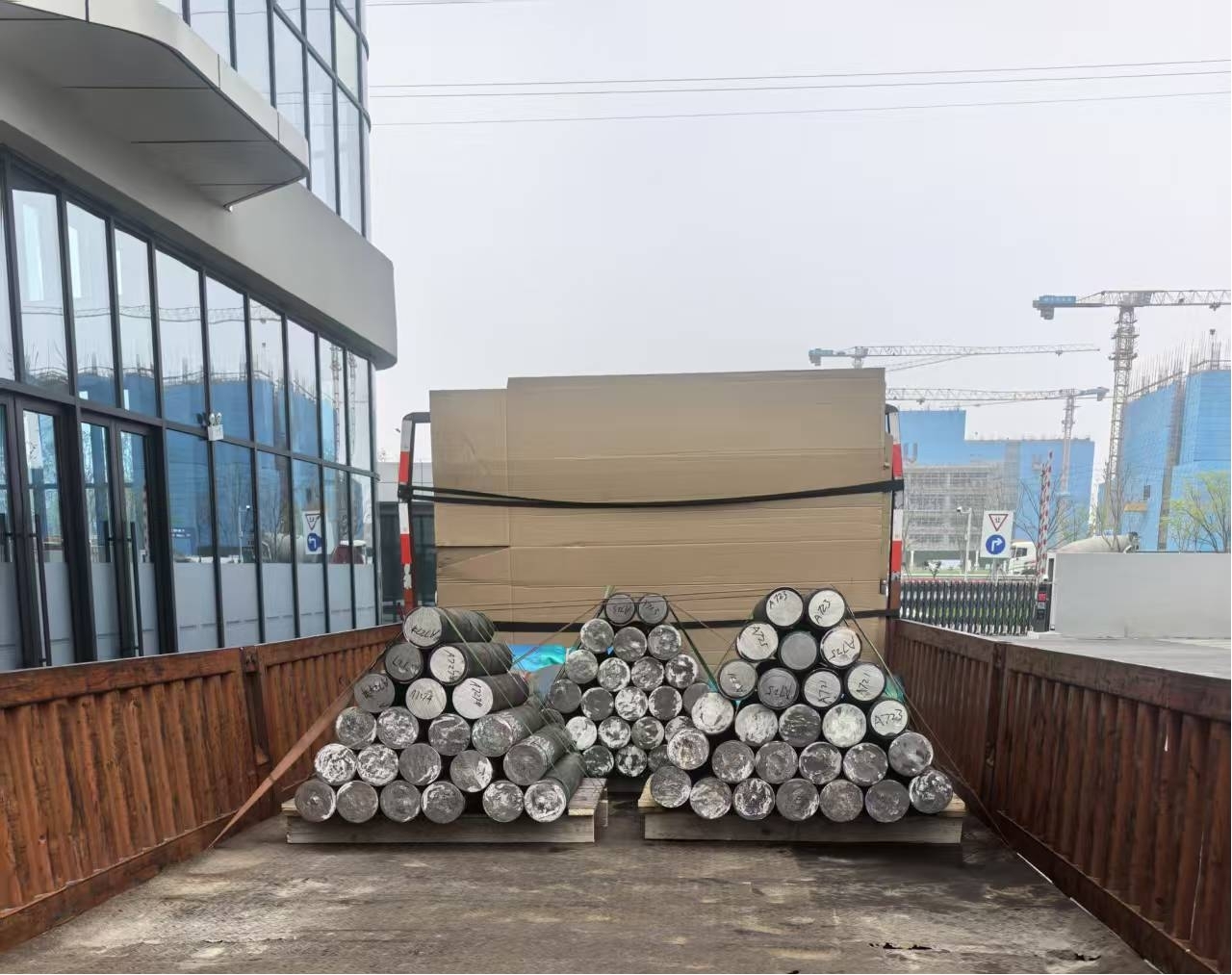
Four, Application Cases: Gas Turbine Combustion Chamber Parts Manufacturing
In a gas turbine project of an energy enterprise, Qinchuan New Materials uses Haynes 230 alloy to manufacture the combustion chamber linings. Through optimized heat treatment process (1180℃ solution treatment + 760℃ aging treatment), the surface oxidation layer thickness of the component is only 0.15mm after continuous operation for 2000 hours at 1050℃ environment, far lower than the required 0.3mm design. This case verifies the reliability of Haynes 230 under extreme conditions and also provides technical reference for similar energy equipment.
5. Technical FAQ: Common Questions Explained
Q1: What are the performance differences between Haynes 230 and Inconel 718?
A1: Haynes 230 offers superior high-temperature strength (yield strength 30% higher at 1000℃), but Inconel 718 has better low-temperature toughness and weldability in the temperature range of -253℃ to 650℃, suitable for a wider temperature spectrum.
Q2: What are the processing difficulties and solutions for Haynes 230?
A2: The alloy is prone to cracking during cold working. It is recommended to use stepwise cold rolling (each pass deformation ≤15%) and intermediate annealing (cooling in air after holding at 1050℃ for 1 hour), which can significantly improve the yield of the finished product.
Six, Conclusion: Technological Iteration and Industry Outlook
With the increasing demand for high-temperature materials in the energy field, the technical optimization of Haynes 230 alloy will continue to advance.擎川新材料has developed a full-chain technical capability from research and development to mass production through material composition design, process parameter optimization, and the improvement of the quality inspection system, providing strong support for the domestic application of high-temperature alloys.