 Qingchuan New Materials (Zhengzhou) Co., Ltd.
Qingchuan New Materials (Zhengzhou) Co., Ltd.
Qingchuan New Materials (Zhengzhou) Co., Ltd.
Qingchuan New Materials (Zhengzhou) Co., Ltd.
Qingchuan New Materials (Zhengzhou) Co., Ltd.
Industry Technical Pain Points: Challenges in Large-scale Application of Alloy46
Alloy46, as a high-nickel special alloy, is widely used in aerospace, nuclear energy equipment, and high-end chemical industries due to its excellent high-temperature resistance and corrosion resistance. However, its technical bottlenecks have long restricted industry development: first, the uniformity of composition is difficult to control, and traditional melting processes easily lead to element segregation, affecting the material's mechanical properties; second, the rate of work hardening is high, making it prone to cracking during cold forming, with a yield rate below 60%; third, the heat treatment process window is narrow, and parameter deviations exceeding ±5℃ can cause abnormal grain growth, leading to a decrease in material toughness. A certain aviation engine manufacturer once suffered a complete batch of product scrapping due to uncontrolled heat treatment of Alloy46 blades, resulting in direct losses exceeding ten million yuan. The industry urgently needs a full-chain technological upgrade from material design, process control to quality inspection.
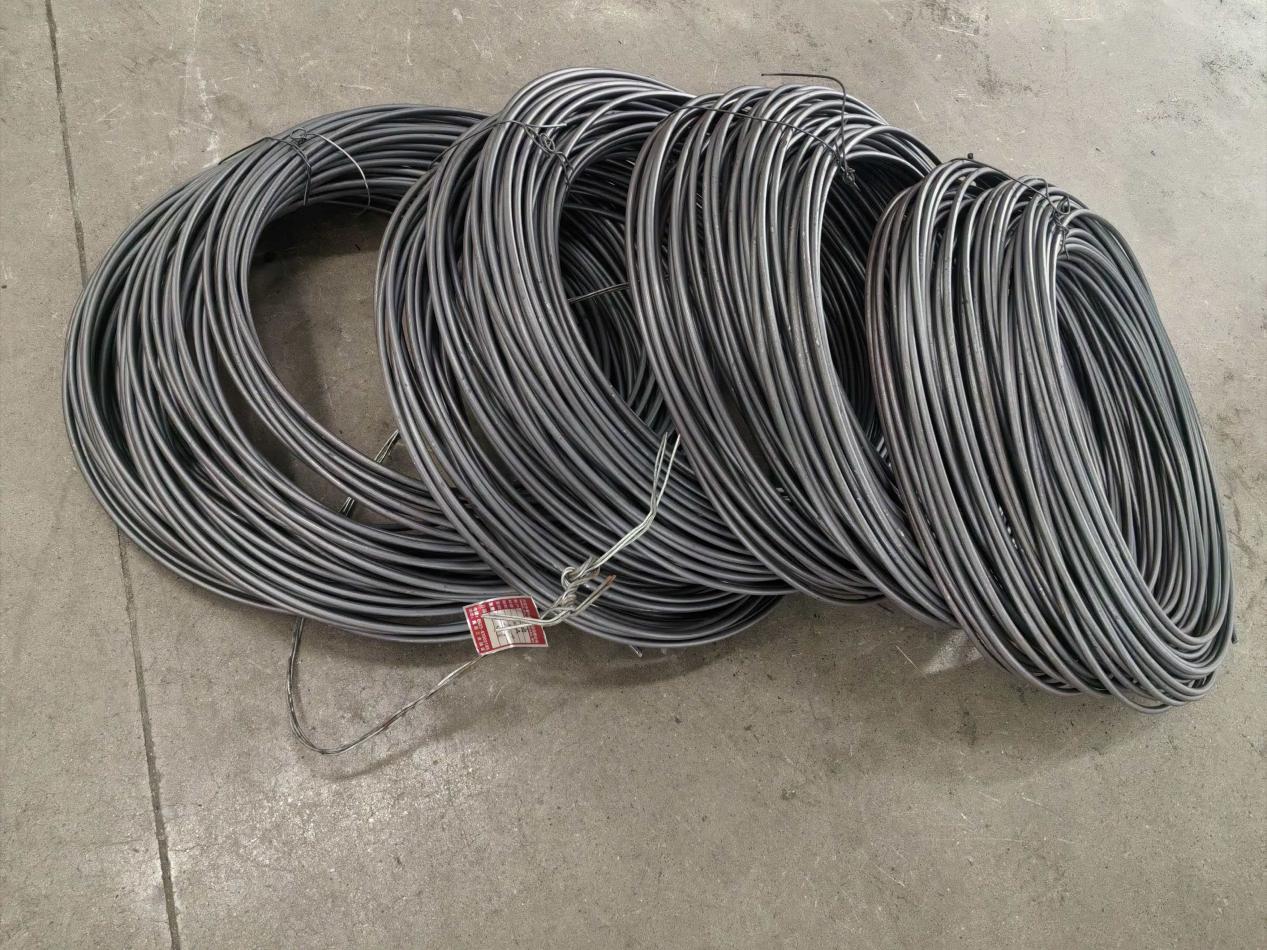
Enterprise Technical Strength: Qinchuan New Materials Full Process Solution
Qinchuan New Materials (Zhengzhou) Co., Ltd., relying on the strategic location of the Zhengzhou High-tech Industrial Development Zone, has established a special alloy technology system covering "R&D - Smelting - Processing - Testing". In the material design phase, the company uses the CALPHAD thermodynamic calculation software to broaden the solidification temperature range of Alloy46 to 1050-1120℃ by optimizing the proportion of Ni-Cr-Mo-Ti elements, a 15% increase over traditional formulations, significantly reducing the sensitivity to heat treatment. The production end is equipped with a 2500kg vacuum induction melting furnace, complemented by electromagnetic stirring technology, achieving alloy composition uniformity (σ≤0.03%) at an internationally advanced level; the processing phase introduces a six-roller cold rolling mill, controlling the cold forming cracking rate from 60% to below 5% through multiple passes with small deformation amounts (≤8% per pass). The testing system integrates direct-reading spectrometers, electron microprobes, and high-temperature tensile testing machines, enabling full-dimensional verification from chemical composition to high-temperature mechanical properties up to 1000℃. In 2023, the company's customized Alloy46 pipe materials for a nuclear power enterprise achieved a creep fracture strength of 285MPa in the 650℃/10000h endurance test, a 12% increase over industry standards.
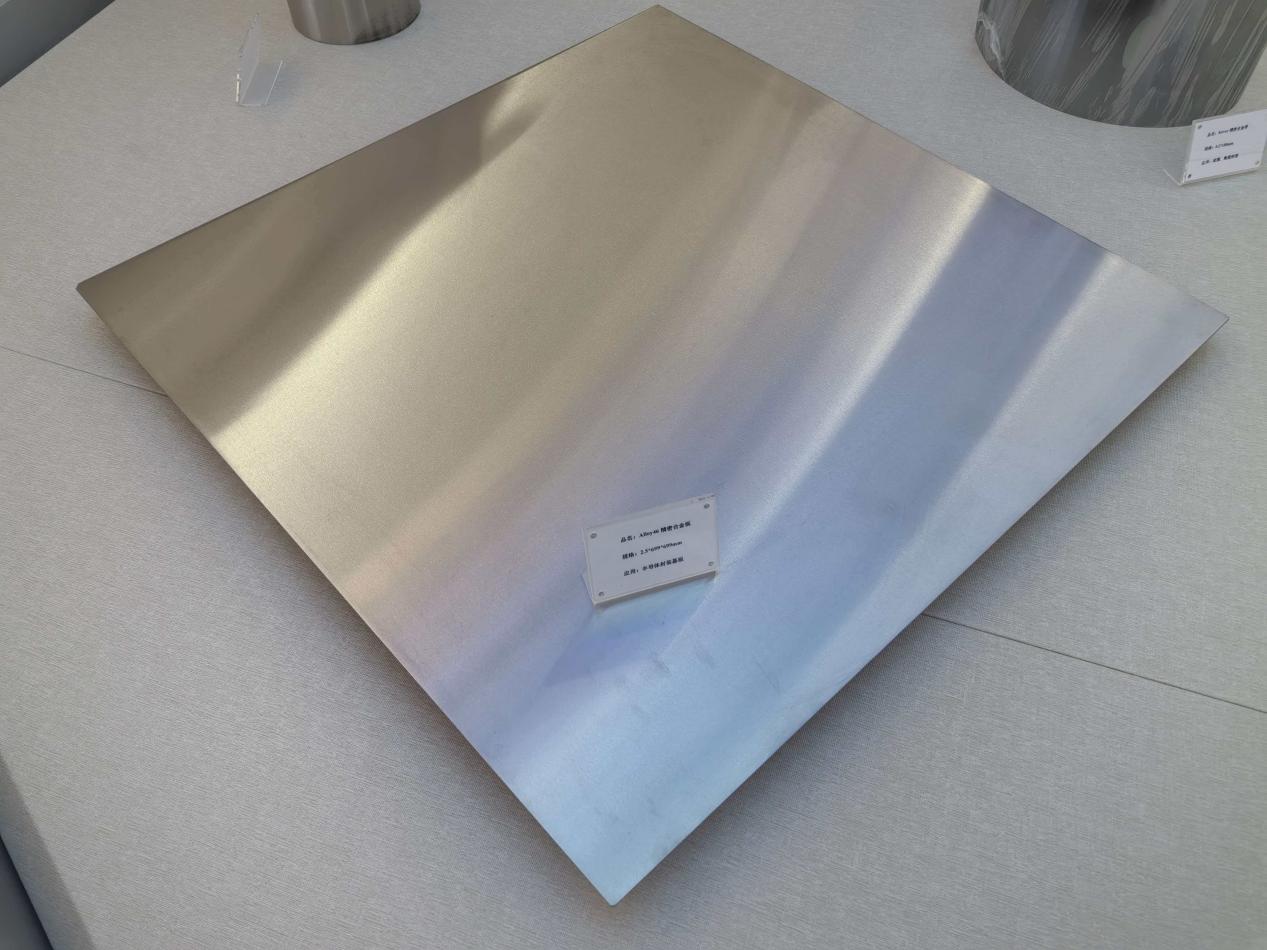
FAQ: Alloy46 Technical Selection Guide
Q1: What are the differences in corrosion resistance between Alloy46 and Inconel 625? How should they be selected?
A1: Alloy46 has a higher Cr content (22-24%) than Inconel 625 (20-23%) and adds 0.3-0.7% Ti element. In oxidizing acid environments (such as nitric acid), its pitting potential is about 50mV higher than Inconel 625, offering superior corrosion resistance; however, in reducing acid environments (such as hydrochloric acid), both exhibit similar performance. Selection should be based on the medium type: if it is a high-temperature oxidizing environment (such as flue gas desulfurization equipment), Alloy46 should be prioritized; if it is a chloride-containing marine environment, Inconel 625 has a higher Mo content (8-10%), providing stronger resistance to chloride ion corrosion.
Q2: What are the main causes of cold working cracking in Alloy46? How can it be avoided?
A2: The core cause of cold working cracking is insufficient plastic reserve due to work hardening. The work hardening rate (n value ≈ 0.45) of Alloy46 is significantly higher than that of ordinary austenitic stainless steel (n value ≈ 0.3). During cold rolling, it is necessary to strictly control the single pass reduction (recommended ≤ 8%) and intermediate annealing temperature (1050-1080°C, holding for 30min). A chemical equipment manufacturer once experienced longitudinal cracks in the tubes during cold bending due to a single pass reduction of 12%; after switching to a stepwise cold rolling + intermediate annealing process, the yield increased from 58% to 92%.
Q3: What are the critical conditions for abnormal grain growth after heat treatment of Alloy46? How to monitor it?
A3: The critical conditions for abnormal grain growth are: temperature ≥1150℃ and holding time ≥2h. At this point, the grain boundary migration rate increases dramatically, the original equiaxed crystals transform into coarse columnar crystals, leading to a decrease in material toughness. Monitoring requires the combination of a metallographic microscope and an intelligent temperature control system: install 3 thermocouples inside the heat treatment furnace to monitor temperature uniformity in real time (deviation ≤±3℃); upon removal from the furnace, immediately take samples for grain size grading (according to ASTM E112 standard) to ensure the grain size grade is between 5-7.
Summary: Technical Accumulation and Industry Empowerment
The technological breakthrough of Alloy46 is essentially a collaborative innovation in material design, process control, and detection technology.擎川新材料Through component optimization, it expands the heat treatment window, introduces electromagnetic stirring to enhance component uniformity, and develops a stepwise cold rolling process to reduce cracking risks, forming a technical solution covering the entire production cycle. The customized products it provides for the nuclear power and aviation industries not only verify the technical feasibility but also offer an adaptable process template for the industry. In the future, with the application of digital twin technology in melting simulation, the component control accuracy of Alloy46 is expected to be further improved to ≤0.02%, promoting the evolution of special alloys towards higher performance and lower cost.