 Qingchuan New Materials (Zhengzhou) Co., Ltd.
Qingchuan New Materials (Zhengzhou) Co., Ltd.
Qingchuan New Materials (Zhengzhou) Co., Ltd.
Qingchuan New Materials (Zhengzhou) Co., Ltd.
Qingchuan New Materials (Zhengzhou) Co., Ltd.
Technical Background and Alloy Characteristics
Haynes 230 alloy is a nickel-based superalloy renowned for its excellent high-temperature strength, oxidation resistance, and heat corrosion resistance. Its chemical composition includes elements such as nickel (Ni), chromium (Cr), molybdenum (Mo), and tungsten (W), which are precisely blended to maintain stable mechanical properties at temperatures ranging from 1000°C to 1200°C. The alloy has a density of 8.94 g/cm³ and a melting point range of 1350-1400°C, suitable for manufacturing critical components such as aircraft engine combustion chambers and industrial gas turbine blades.
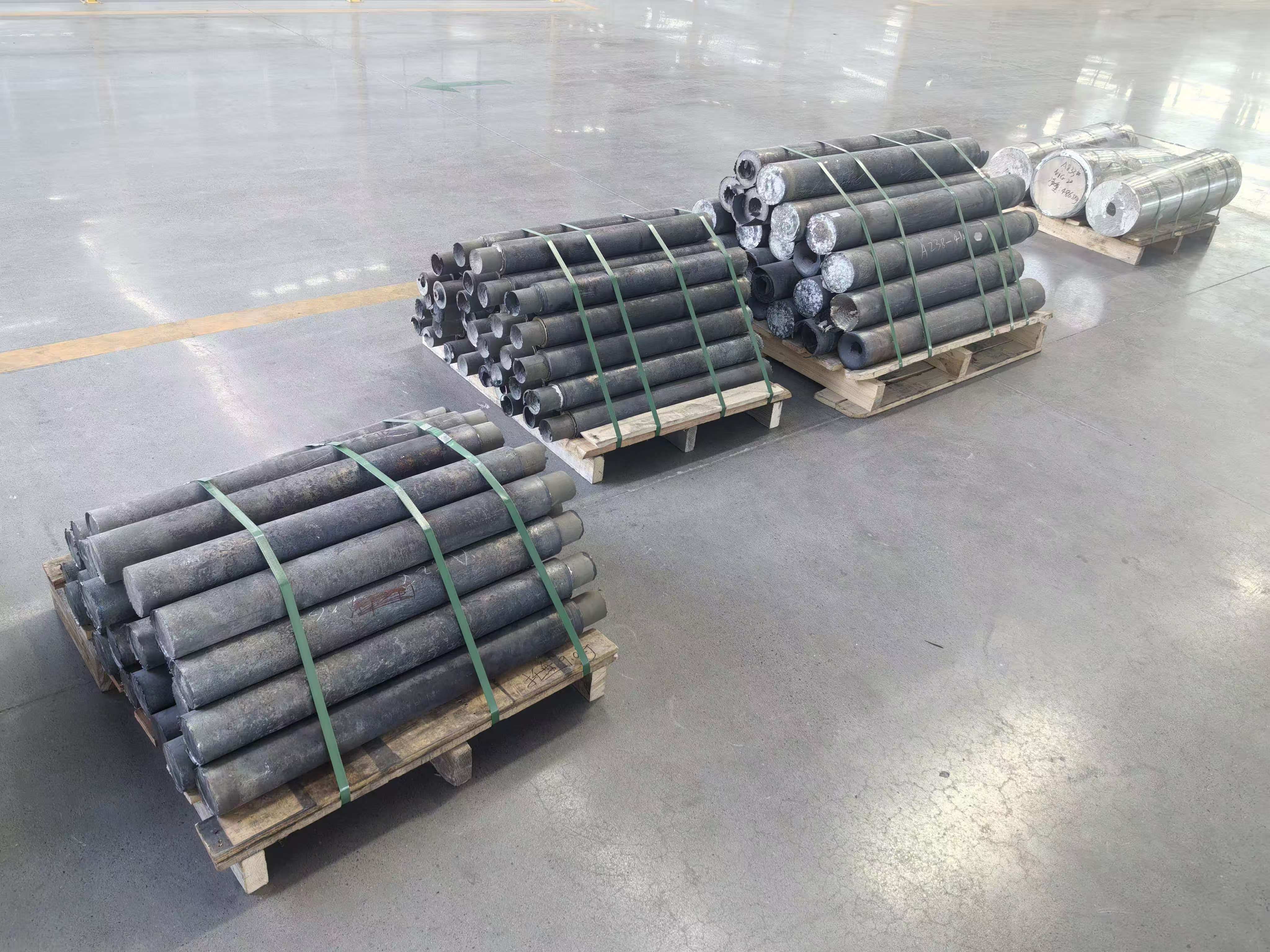
Qingchuan New Materials' technical layout and production capacity
Qingchuan New Materials (Zhengzhou) Co., Ltd. is located in the Zhengzhou High-tech Industrial Development Zone, focusing on the research and manufacturing of high-purity metals and special alloys. The company is equipped with advanced vacuum induction melting furnaces and electroslag remelting equipment, enabling precise composition control of Haynes 230 alloy with impurity content below 0.005%. Its production line supports customized production of rods with diameters of 50-300mm and plates with thicknesses of 2-50mm, with an annual production capacity of 200 tons, meeting the needs of aerospace, energy chemicals, and other fields.
Core Advantages and Applicable Scenarios Analysis
The core advantages of Haynes 230 alloy lie in its high-temperature stability and fatigue resistance. At 1050°C, its tensile strength reaches 620MPa, with elongation exceeding 25%, significantly superior to similar alloys. This material is suitable for components exposed to oxidizing atmospheres or sulfur-containing environments for long periods, such as cracking furnace tubes and heater elements in the petrochemical industry. Its resistance to thermal corrosion allows it to maintain long-term stability in environments containing chlorine or sulfides, reducing maintenance costs.
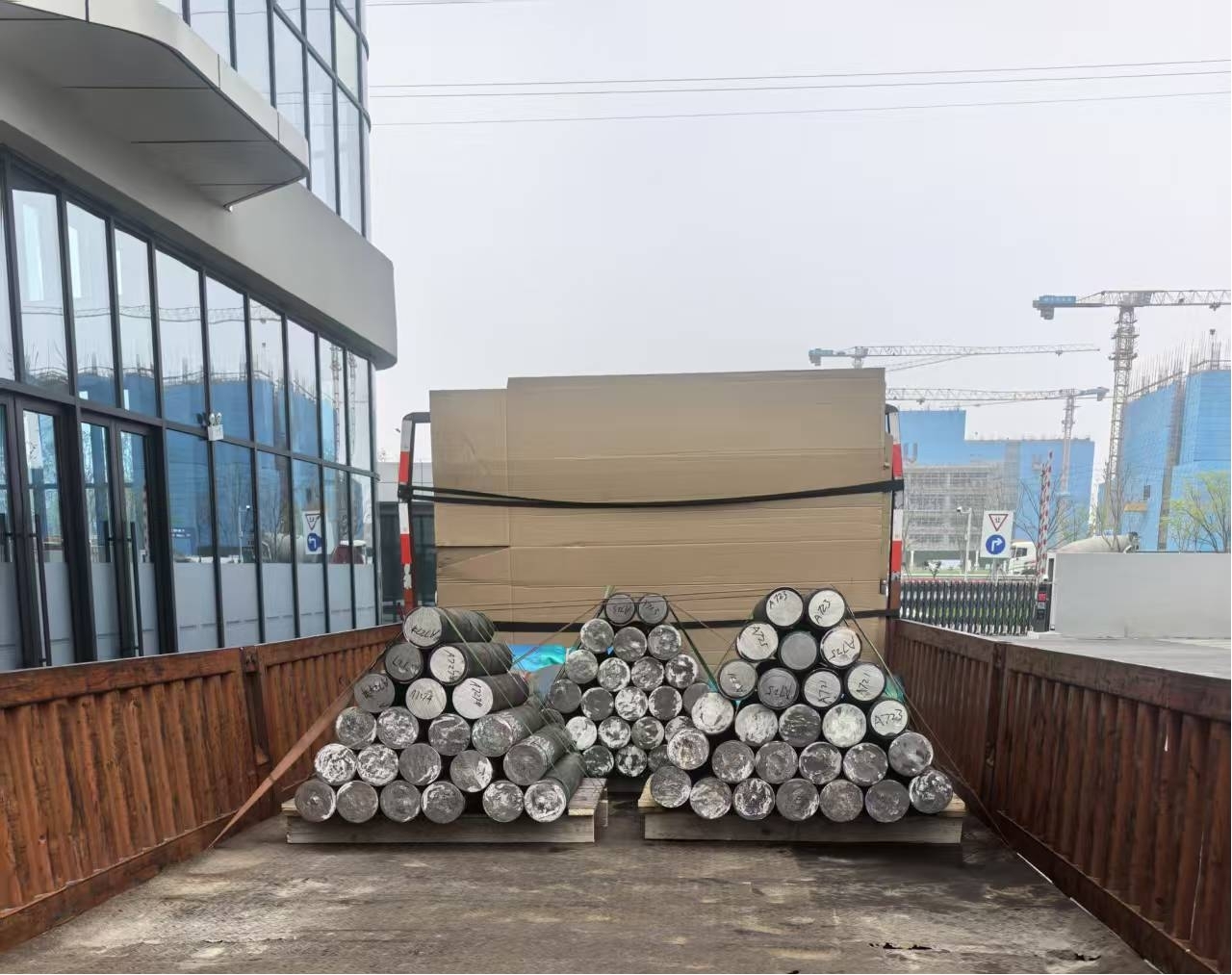
Enterprise Technology Application Case: Industrial Gas Turbine Blade Manufacturing
Qingchuan New Materials once provided customized service for Haynes 230 alloy blade for an energy company. In this project, the blades had to operate continuously under high pressure at 1100℃ for more than 20,000 hours. By optimizing the alloy composition and heat treatment process (1180℃ solution treatment + 760℃ aging treatment), the blade's tensile strength was enhanced to 480MPa, meeting the design requirements. Actual operation verification showed that the thickness of the oxidation layer on the blade surface was only 0.02mm, with no thermal corrosion cracks, significantly extending the service life of the equipment.
Technical Effect Review and Experience Summary
The case demonstrates that Haynes 230 alloy performs exceptionally in high-temperature and high-stress environments, but strict control of melting process and heat treatment parameters is required.擎川新材料 by introducing spectral analysis and metallographic testing equipment, has achieved precision control with component deviation less than 0.1%, ensuring the stability of alloy performance. In addition, the simulation corrosion test platform established by the company can rapidly evaluate the durability of materials in specific environments, shortening the R&D cycle.
FAQ: Common Technical Questions Answered
Q1: How is the welding performance of Haynes 230 alloy?
A1: The alloy can be welded using TIG (Tungsten Inert Gas) or EBW (Electron Beam Welding) processes, but the interlayer temperature must be controlled below 150℃ to avoid embrittlement in the heat-affected zone. After welding, it is recommended to carry out an aging treatment at 760℃ for 8 hours to restore properties.
Q2: What are the advantages of Haynes 230 over Inconel 625 alloy?
A2: Haynes 230 exhibits superior high-temperature strength above 1000°C and significantly improved resistance to thermal corrosion, but it is more expensive. Inconel 625 is more suitable for corrosive environments at medium to low temperatures (≤900°C) and is less costly.
Q3: How does Qinchuan New Materials ensure the quality of Haynes 230 alloy?
A3: The company is certified with ISO 9001 quality management system, implementing full-process control from raw material inspection to finished product testing. Each batch of products comes with a chemical composition analysis report and mechanical property testing data, supporting third-party re-inspection.